
How a Tree Becomes Wood
Beneath the bark, a thin ring of living tissue quietly builds every plank and beam we use.
In Depth
The Growth Ring Record
Wood forms just beneath the bark of a tree, in a thin layer of living tissue called the cambium. Each growing season, the cambium produces new cells, pushing older ones inward where they stiffen and die, forming the structural wood we use. In climates with distinct seasons, this produces the familiar pattern of growth rings: a lighter band of fast, spongy spring growth followed by a darker band of denser summer growth. Count the rings and you are, quite literally, counting years, a natural record that predates any written history of wood by millions of years.
Heartwood and Sapwood
As a tree matures, its innermost rings stop transporting water and nutrients and become heartwood, often darker and more decay-resistant than the outer sapwood that still carries on the living work. This is why a single board can vary in color and character from edge to edge; it once occupied a different role, and a different age, within the same living organism.
Reading a Cross-Section
A cut across a trunk reveals more than rings. The pith, a small soft core at the very center, marks the tree’s original sapling growth, while radiating lines called medullary rays run outward through the rings, carrying nutrients sideways rather than up and down. Foresters and furniture makers alike can often identify a species from this cross-section alone, since ray patterns, ring width, and the transition between earlywood and latewood vary in fairly consistent ways from one species to the next.
The Early History of Wood in Human Hands
Long before metal, wood was humanity's first engineered material, shaped by hand and passed down through generations.
Earliest Tools
Early humans shaped wood into spears, digging sticks, and fire-making tools, long before metal tools existed.
Fuel and Fire
Wood fueled cooking and warmth, and eventually the smelting of the very metals that replaced some of its uses.
Joinery Emerges
Techniques that lock timber together without nails or glue appear independently across many parts of the world.
In Depth
Wood as the First Engineered Material
Wood was almost certainly humanity’s first engineered material. Long before metal tools existed, early humans shaped wood into spears, digging sticks, and fire-making tools, and used it as fuel to cook, stay warm, and eventually to smelt the very metals that would one day replace some of its uses. Because wood decomposes, much of this early history survives only indirectly, through cut marks on bone, impressions in ancient soil, and the rare, waterlogged find preserved in a bog or riverbed, which is part of why the full history of wood is so much harder to trace than the history of stone or metal tools.
The Rise of Joinery
As tools improved, so did what people could do with wood. Joinery techniques that locked pieces of timber together without nails or glue appear independently in many parts of the world, a sign that wood’s possibilities and its limits taught similar lessons wherever people worked with it. Archaeologists studying the history of woodworking keep uncovering older and older evidence of deliberate joinery, pushing back how early this skill developed.
A Material Woven Into Culture
Because wood was so often the material at hand, it became deeply tied to regional style, tradition, and craft knowledge.
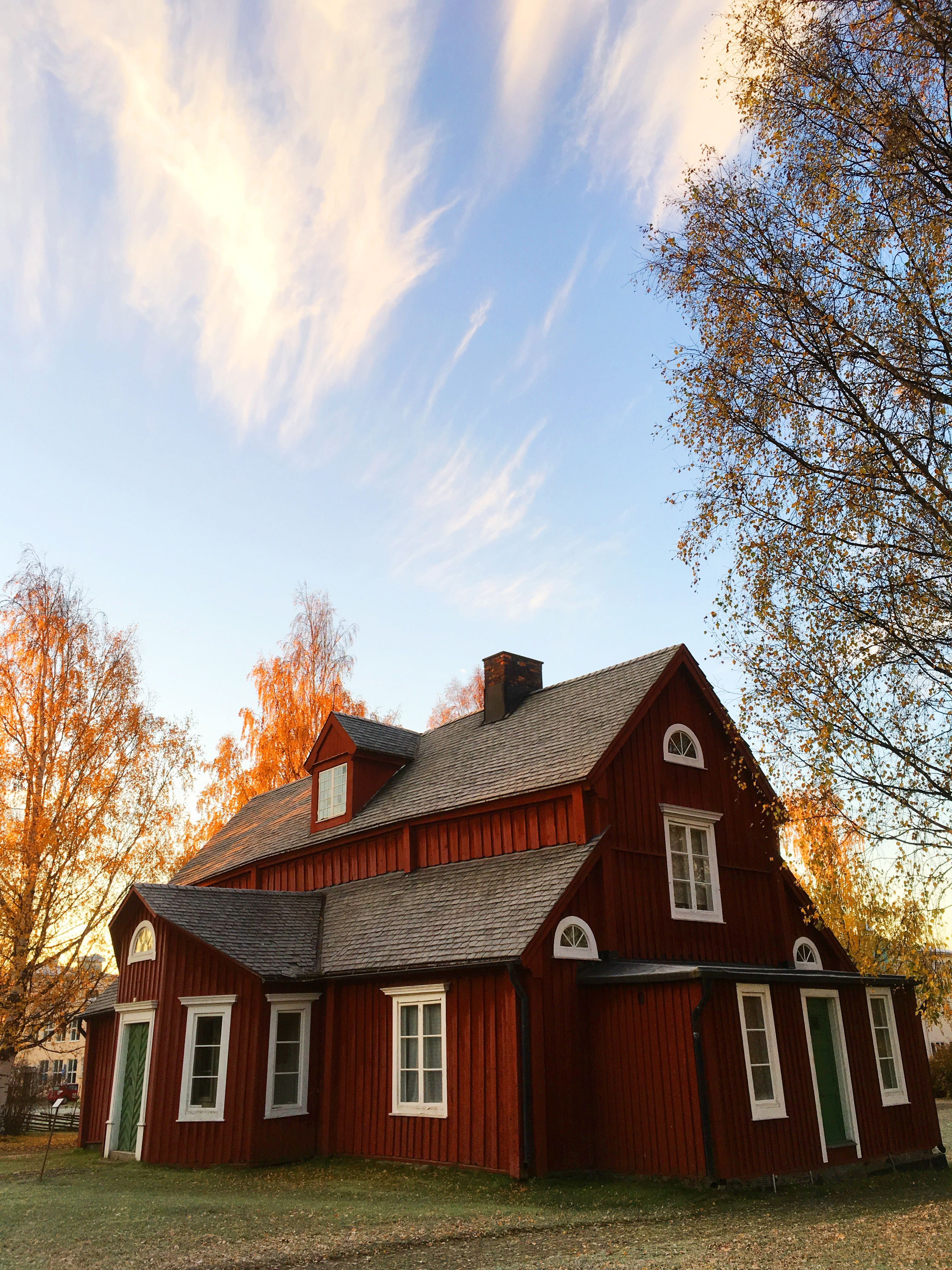
Timber-Framed Houses
Structural carpentry shaped entire regional building traditions.

Wooden Temples
Sacred architecture often reserved specific species for ceremonial use.

Carved Masks
Regional carving styles carried meaning passed between generations.

Handmade Furniture
Guilds and family workshops passed down patience and material knowledge.
In Depth
A Material Woven Into Identity

Because wood was so often the material at hand, it became deeply tied to cultural identity. Timber-framed houses, wooden temples, carved masks, and handmade furniture were rarely just functional; they carried the marks of regional style, family tradition, and craft knowledge passed between generations. In many traditions, the choice of wood itself carried meaning: certain species were reserved for ceremonial objects, others for everyday tools, based on beliefs about their character or origin, another thread that runs through the cultural history of wood in almost every part of the world.
Passed Down Through Generations
Woodworking guilds in medieval Europe, joinery schools in East Asia, and family workshops passed down across generations everywhere all shared a common thread: wood rewarded patience, skill, and an intimate understanding of the specific material in front of the maker, not a generic understanding of “wood” as a category.
Sacred and Symbolic Wood
Certain trees carried a status well beyond their practical uses. Oak held ceremonial weight across much of pre-Christian Europe, cedar was prized in ancient Mesopotamia for temple construction, and specific woods in Japanese and Chinese tradition were selected for shrines based on scent, grain, and perceived spiritual properties rather than availability alone. These choices were rarely arbitrary, since a wood reserved for sacred use was often also among the most durable or fragrant available locally, a practical reason wrapped inside a symbolic one.
From Craft to Industry, and Back Again
Industrialization made wood faster and cheaper to produce, but often more anonymous. Today, many people are rediscovering the older story: where a piece of wood came from, who shaped it, and why it looks the way it does.
In Depth
From Craft to Mass Production
Industrialization brought powered saws, standardized lumber, and mass production, making wood products faster and cheaper to make, but often more anonymous. In recent decades, many people have rediscovered an interest in the older story: where a piece of wood came from, who shaped it, and why it looks the way it does.
A Return to Origins
That renewed interest is really a return to how wood was understood for most of human history, not as a generic building material, but as the product of a particular tree, place, and pair of hands. It is a fitting way to close the loop on a very old relationship between people and this material.
Recent Articles
Guides, comparisons, and ideas to help you get more from wood.
New articles for this topic are on their way: check back soon.