Everything Wood

The Sustainability of Wood

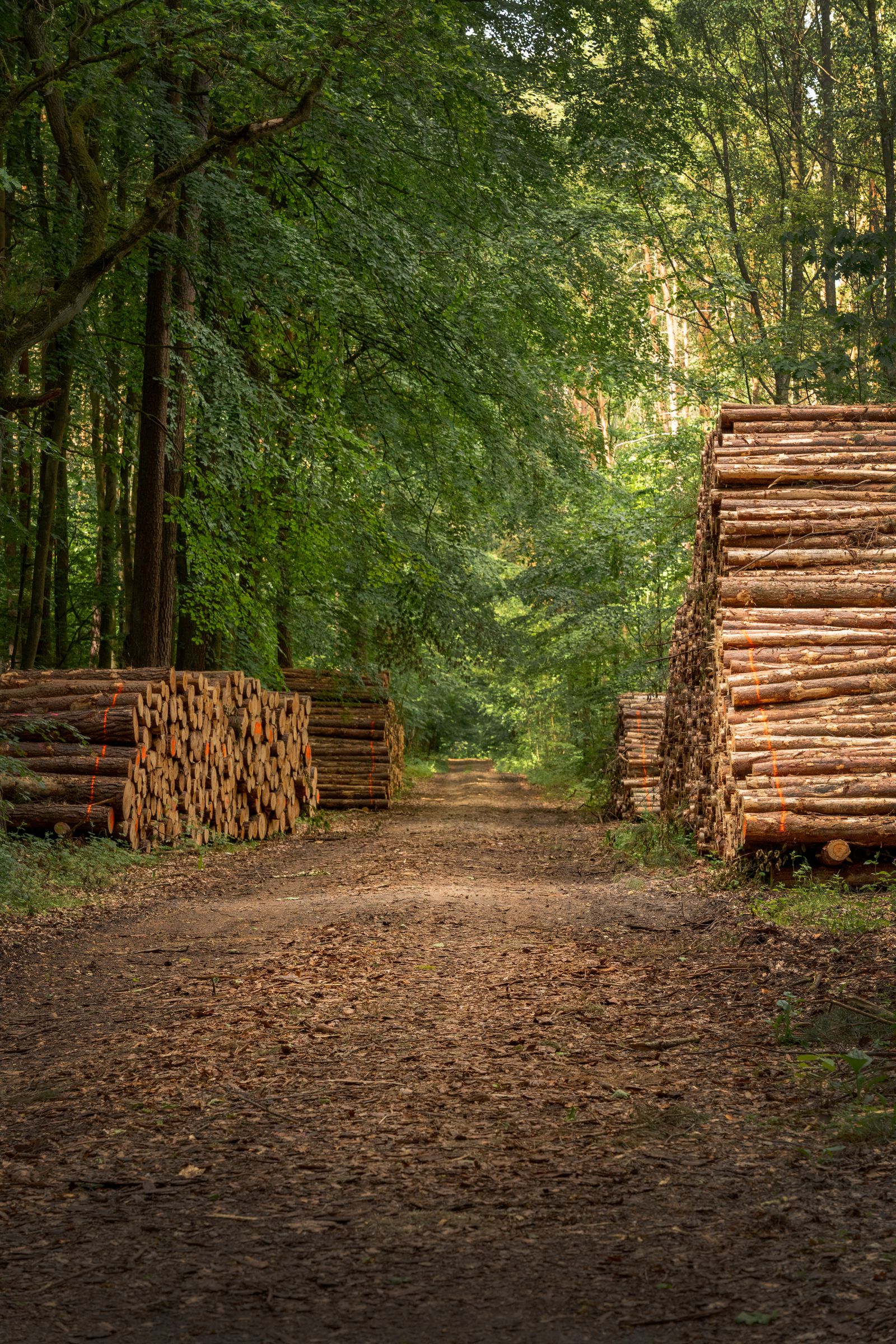
The sustainability of wood is often taken for granted, and in principle it deserves that reputation, but the promise depends entirely on how a tree is grown, harvested, and eventually used.

A Renewable Resource, With Conditions

Renewable does not automatically mean sustainable. The difference lies almost entirely in how a forest is managed.

FSC Certified

Verifies wood from forests managed to defined environmental and social standards.

PEFC Certified

A widely recognized alternative label with similar responsible-sourcing goals.

In Depth +

Renewable Versus Sustainable

Furniture piece made from sustainably sourced wood

Unlike oil, metal ore, or coal, trees can regrow, which is what makes wood renewable in a way few other structural materials are. But renewable does not automatically mean sustainable. A forest logged faster than it can regenerate, or cleared and converted to other land use entirely, provides none of the long-term benefits that responsible forestry can offer.

Certification and Responsible Sourcing

Because it is difficult for an individual buyer to inspect a forest on the other side of the world, independent certification systems exist to signal responsible practices. Choosing certified wood products is one of the most direct ways a buyer can support better forestry practices without needing specialist knowledge of any particular supply chain.

What Certification Labels Actually Cover

Labels such as FSC and PEFC audit the entire chain from forest to finished product, checking replanting rates, protection of old-growth and high-conservation-value areas, and fair treatment of forestry workers, not just whether a tree was replaced with another tree. A certified label does not guarantee a perfect supply chain, but it does mean an independent third party has verified practices that a buyer has no realistic way to check alone.

Carbon Storage and Climate Impact

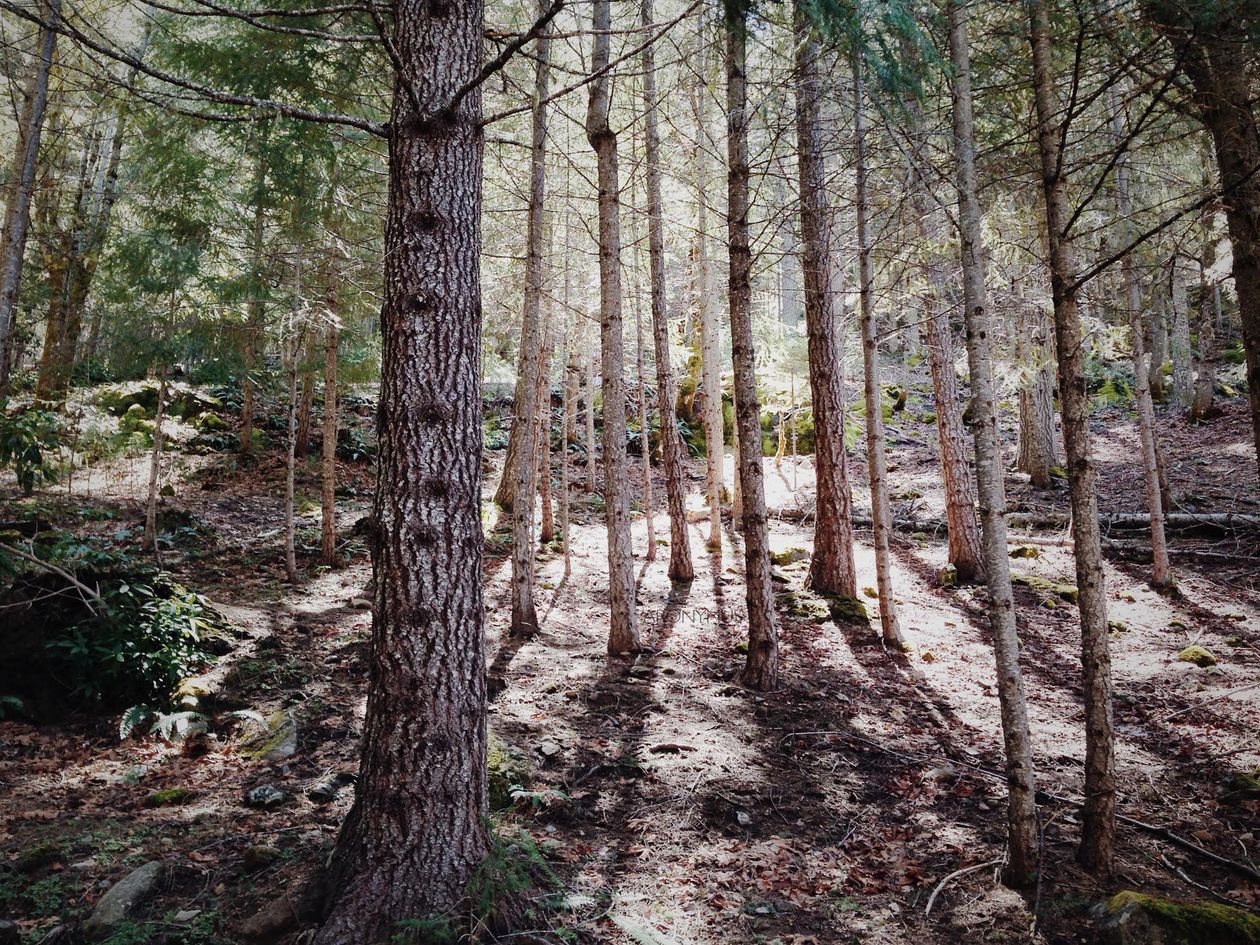
As a tree grows, it draws carbon dioxide from the air and locks it into its wood, a cycle that keeps renewing itself.

Tree Grows

Absorbs carbon dioxide from the air as it matures.

Carbon Is Stored

Stays locked in the wood for as long as the product exists.

Forest Renews

New trees grow to replace those harvested, continuing the cycle.

In Depth +

Carbon Storage and Climate Impact

As a tree grows, it draws carbon dioxide from the air and locks the carbon into its wood. That carbon generally stays stored for as long as the wood product exists, whether it becomes a house frame that stands for a century or a chair passed down through a family. This is one reason many climate researchers view wood, when responsibly sourced, favorably compared with materials like concrete or steel, whose production releases significant carbon rather than storing it.

What Happens at End of Life

Wood’s environmental advantage extends past its working life. Untreated wood biodegrades naturally, returning its stored carbon to the soil over years rather than persisting for centuries the way plastic does. Even wood that cannot be reused or recycled can often be burned for energy, a far cleaner end-of-life option than landfilling materials that never break down. This full-cycle behavior is part of why wood scores well in life-cycle assessments compared with many manufactured alternatives.

The Sustainability of Wood at Home

Sustainability also depends on what happens after purchase, not just where the wood came from.

Buy to Last

Choosing solid, well-made wood products reduces overall demand on forests.

Repair, Not Replace

Repairing furniture rather than discarding it extends the benefit.

Recycle & Repurpose

At the end of a piece's life, repurposing beats sending it to landfill.

In Depth +

The Sustainability of Wood at Home

Choosing solid, well-made wood products that last for years rather than being discarded quickly reduces overall demand on forests. Repairing rather than replacing furniture, buying only what is needed, and, at the end of a piece’s life, recycling or repurposing the wood rather than sending it to landfill, all extend the benefit of the material well past the point of purchase.

A Question Worth Asking Before Checkout

No single label or claim can fully capture the sustainability of wood on its own. Asking where a piece came from, how it was made, and how long it is likely to last will usually tell a buyer more than any single stamp of approval.

Explore Everyday Products Made from Wood
In Depth +

A Set of Choices, Not a Property

Sustainability, in the end, is less a property of wood itself and more a set of choices made by everyone who grows, sells, and uses it. A responsibly certified board that gets thrown away after a single use is not automatically better for the planet than a well-loved secondhand piece with no certification at all.