Everything Wood

Technical Properties of Wood

The technical properties of wood explain why a cutting board differs from a chair leg, and why some woods last for generations while others do not. Wood is a natural composite that behaves according to a handful of measurable physical properties.

Density and Hardness

Two of the most useful predictors of how a wood will behave: denser woods tend to be heavier, and harder woods resist denting and wear.

Density

Pine
Oak
Hickory

Hardness

Pine
Oak
Hickory
In Depth +

Density and Weight

Assorted lumber showing varying wood density and weight

Density, how much mass is packed into a given volume, is one of the most useful predictors of how a wood will behave. Denser woods like oak and maple tend to be heavier, harder, and more resistant to denting, which is why they are favored for flooring and heavily used furniture. Lighter woods like pine or cedar are easier to work and lift, making them popular for shelving, paneling, and DIY projects where weight matters more than maximum durability.

Strength and Hardness

Strength describes how much load wood can bear before bending or breaking, while hardness describes its resistance to denting and surface wear. Woodworkers often refer to the Janka hardness scale, which measures the force needed to embed a steel ball halfway into a sample of wood. Strength also varies by direction: wood is far stronger along the length of its grain than across it, which is why structural beams are always oriented with the grain running the length of the span.

Specific Gravity as a Quick Comparison

Specific gravity, the ratio of a wood’s density to that of water, gives a simple way to compare species without needing a lab. Balsa sits below 0.2, among the lightest commercial woods available, while lignum vitae can exceed 1.0 and actually sinks in water. Most furniture-grade hardwoods fall in a middle range of roughly 0.5 to 0.8, dense enough for durability without becoming difficult to work by hand.

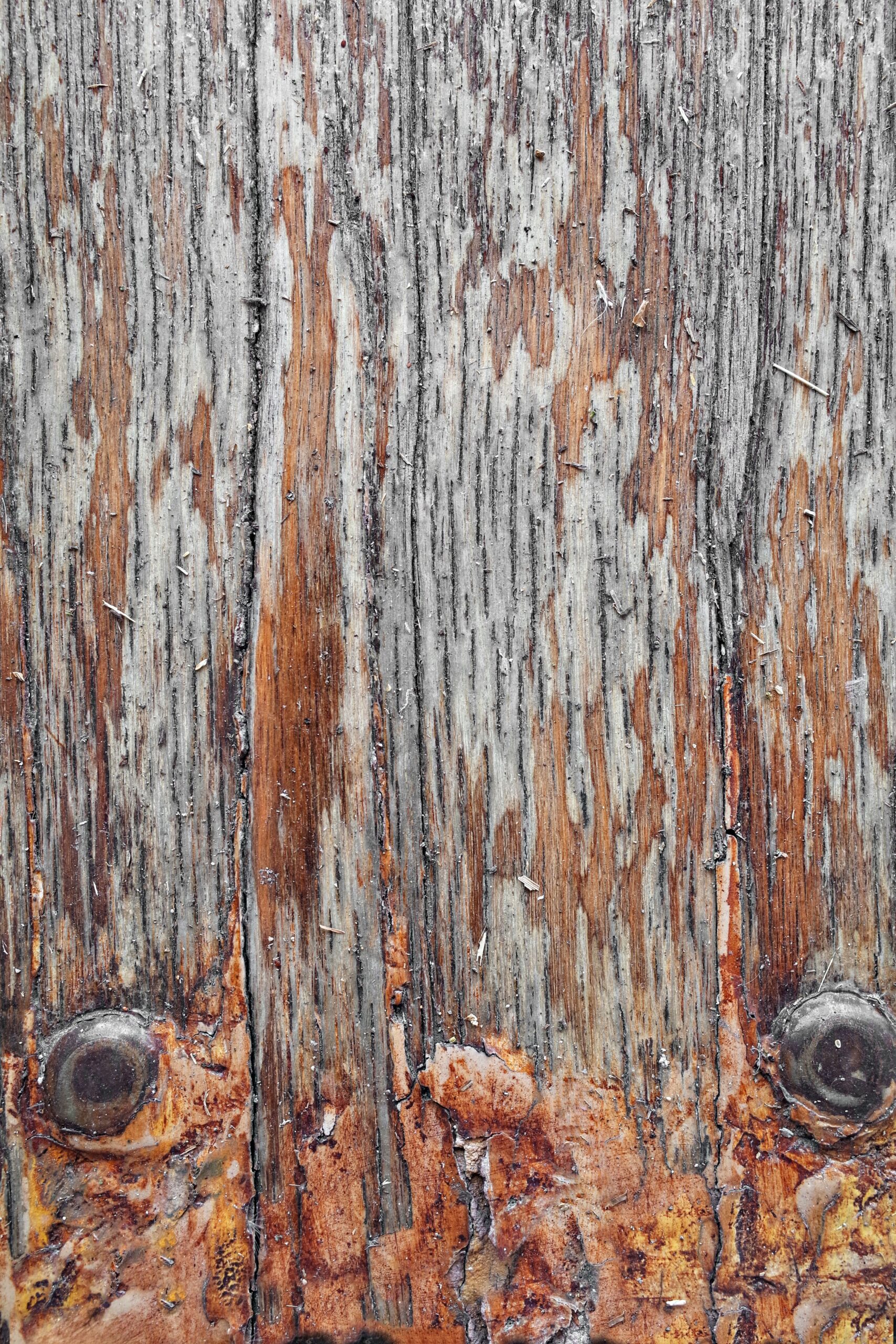
Moisture, Shrinkage, and Movement

Wood keeps responding to its environment long after it leaves the tree, expanding, contracting, and moving with the seasons.

Absorption

Wood is hygroscopic, taking in moisture from humid air and releasing it as the air dries.

Expansion

Rising humidity causes wood to swell slightly, mostly across the grain.

Seasonal Movement

Furniture is built with joinery that allows for this ongoing seasonal movement.

In Depth +

Moisture, Shrinkage, and Movement

Wood is hygroscopic, meaning it absorbs and releases moisture from the surrounding air, expanding slightly when humidity rises and contracting as it dries. This is why solid wood furniture is built with joinery and hardware that allow for slight seasonal movement, and why a poorly designed piece can crack or warp over time. Properly kiln-dried and finished wood minimizes this movement, but it never disappears completely.

Durability and Decay Resistance

Some woods naturally resist rot and insects far better than others, a difference that matters most outdoors.

Weathered wood showing the natural color from its heartwood extractives

Natural Extractives

Compounds in heartwood give it both color and natural resistance to decay.

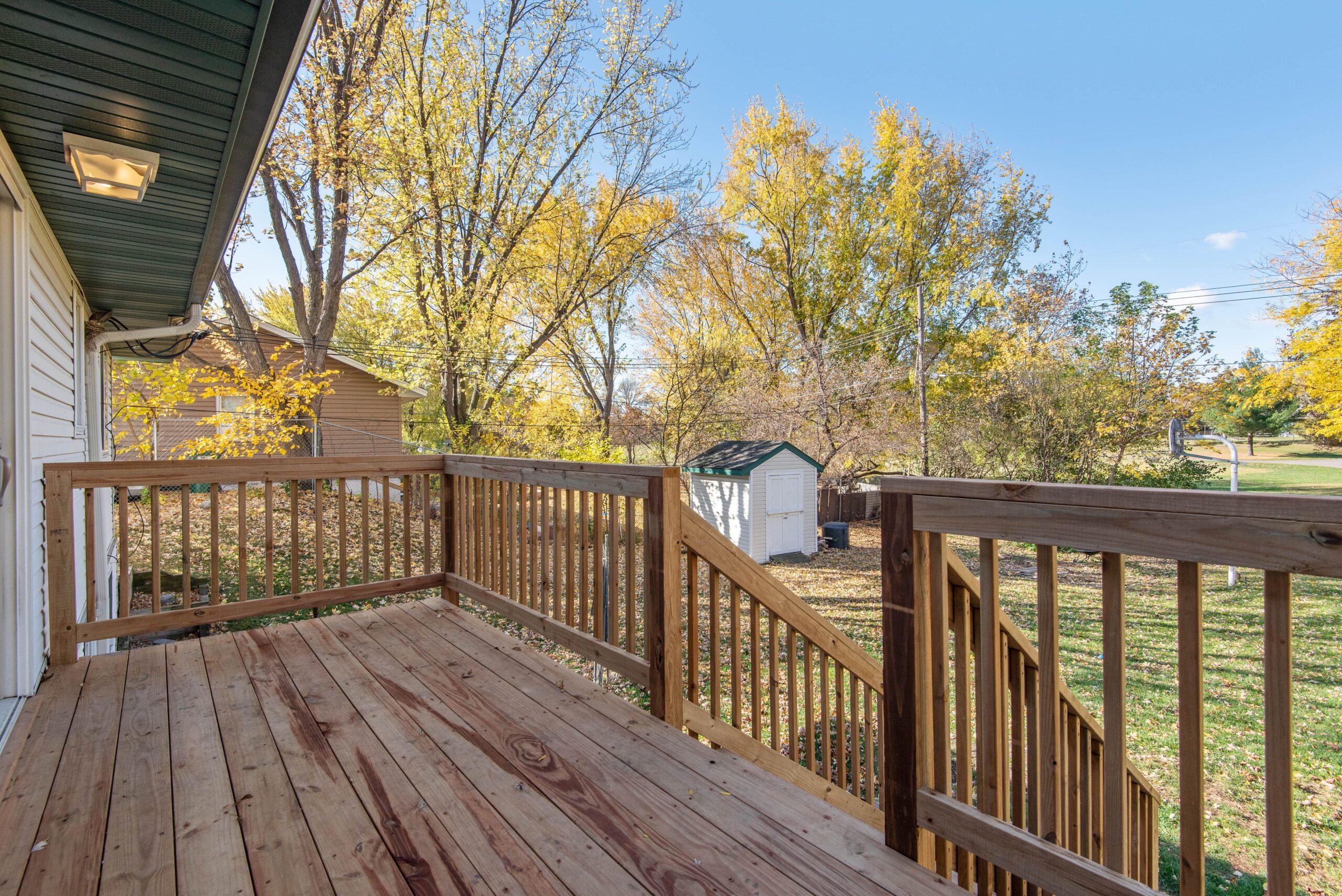
Wooden outdoor deck built from a durable outdoor wood species

Outdoor Species

Teak and cedar hold up well outside without chemical treatment.

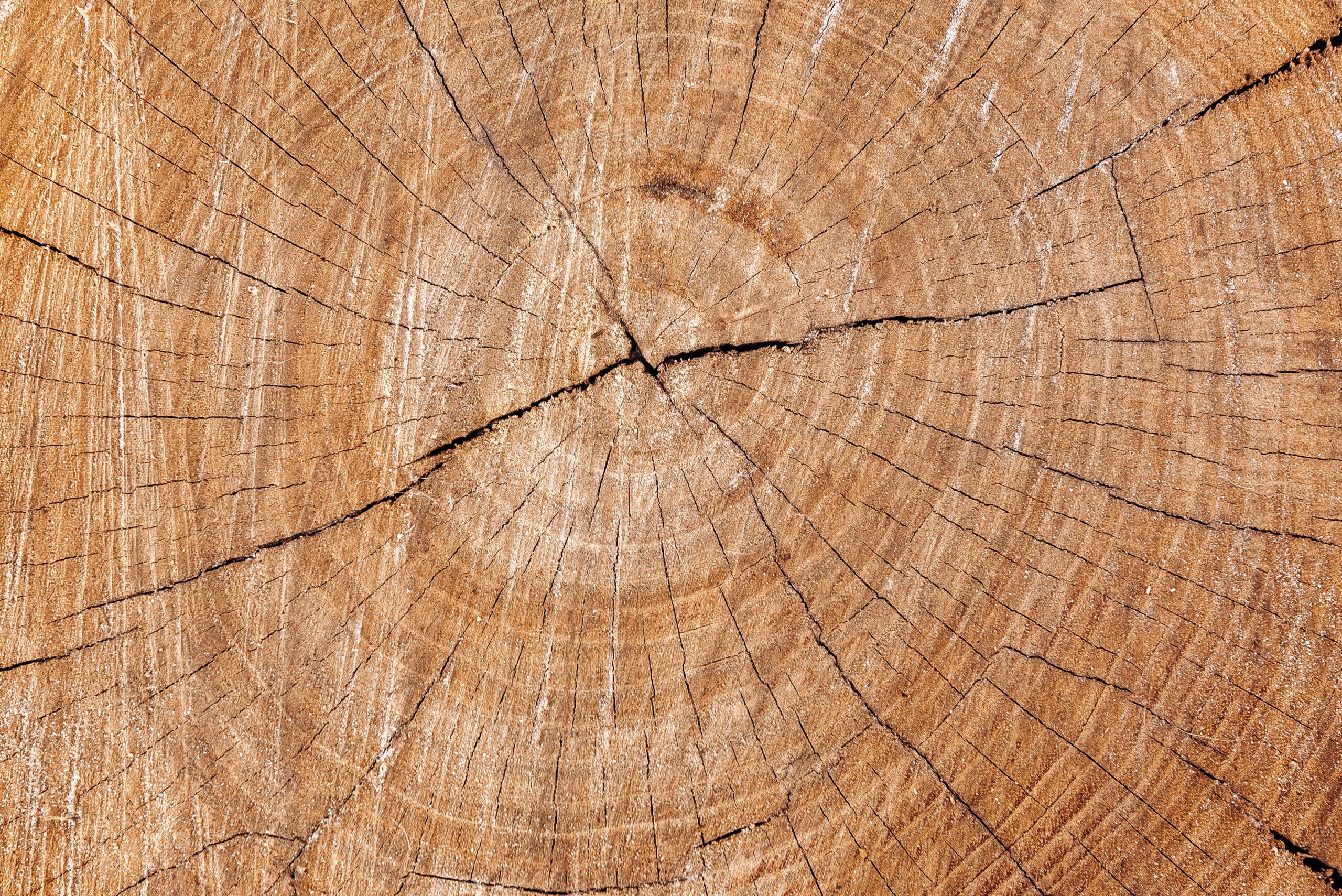
Freshly cut tree trunk showing the lighter sapwood ring around the darker heartwood

Vulnerable Sapwood

Sapwood is almost always more vulnerable to decay than heartwood, regardless of species.

In Depth +

Durability and Decay Resistance

Some woods naturally resist rot, insects, and decay better than others, largely due to the same extractive compounds that give heartwood its color. Species like teak and cedar are prized for outdoor use precisely because they hold up well in damp, exposed conditions without chemical treatment. Sapwood, by contrast, is almost always more vulnerable to decay than heartwood, regardless of species, which is one reason furniture makers pay close attention to which part of the tree a board came from.

Natural Resistance Versus Treated Wood

Not every project can rely on naturally durable species like teak or cedar, especially where budget or availability limits the options. Pressure treatment forces preservative chemicals deep into more vulnerable woods like pine, extending their outdoor lifespan significantly, though at the cost of the wood’s natural appearance and, for some preservatives, its suitability for surfaces that contact food or skin. Choosing between a naturally durable species and a treated alternative usually comes down to weighing upfront cost against long-term maintenance.

Why These Properties Matter for Choosing a Species

None of these properties exist in isolation. A species that scores well on density and hardness may still be a poor outdoor choice if it lacks natural decay resistance. Knowing the numbers behind density, hardness, movement, and decay resistance turns a vague sense of good wood into a set of practical reasons for picking one board over another.

See Wood Species and Their Applications
In Depth +

Choosing a Species With Confidence

Careful kiln drying and finishing practices can reduce moisture-related movement, but they cannot change how a species performs over the long term. For a practical breakdown of which species suit which jobs, see our guide to wood species and their applications. It is worth taking the time to learn the numbers behind density, hardness, movement, and decay resistance.