Everything Wood

The Aesthetic Qualities of Wood

The aesthetic properties of wood explain why people so often choose a wooden object over a plastic or metal one, and the answer is rarely about performance alone. That difference has a real, describable basis in how the material is put together.

Grain: The Fingerprint of a Tree

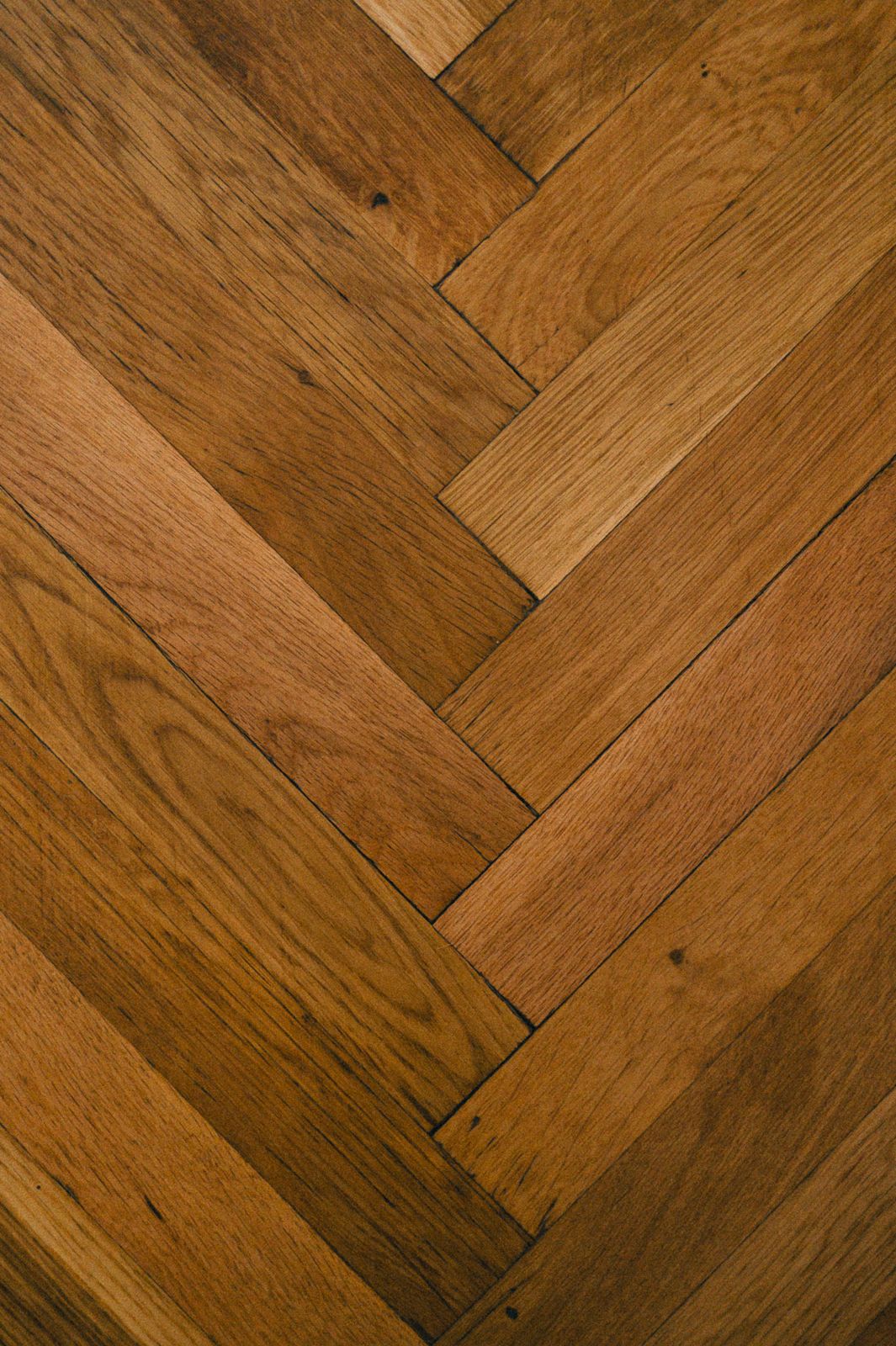
Grain follows the actual growth of an individual tree, which is why no two boards are ever perfectly identical.

Straight Grain

Cut parallel to the trunk, producing calm, orderly lines.

Figured Grain

Wood near branches or stress twists into swirling, unpredictable patterns.

Quarter-Sawn

Cut perpendicular to the rings for straighter, more stable lines.

Flat-Sawn

Cut tangentially, revealing wide, cathedral-like grain arches.

In Depth +

How Grain Forms

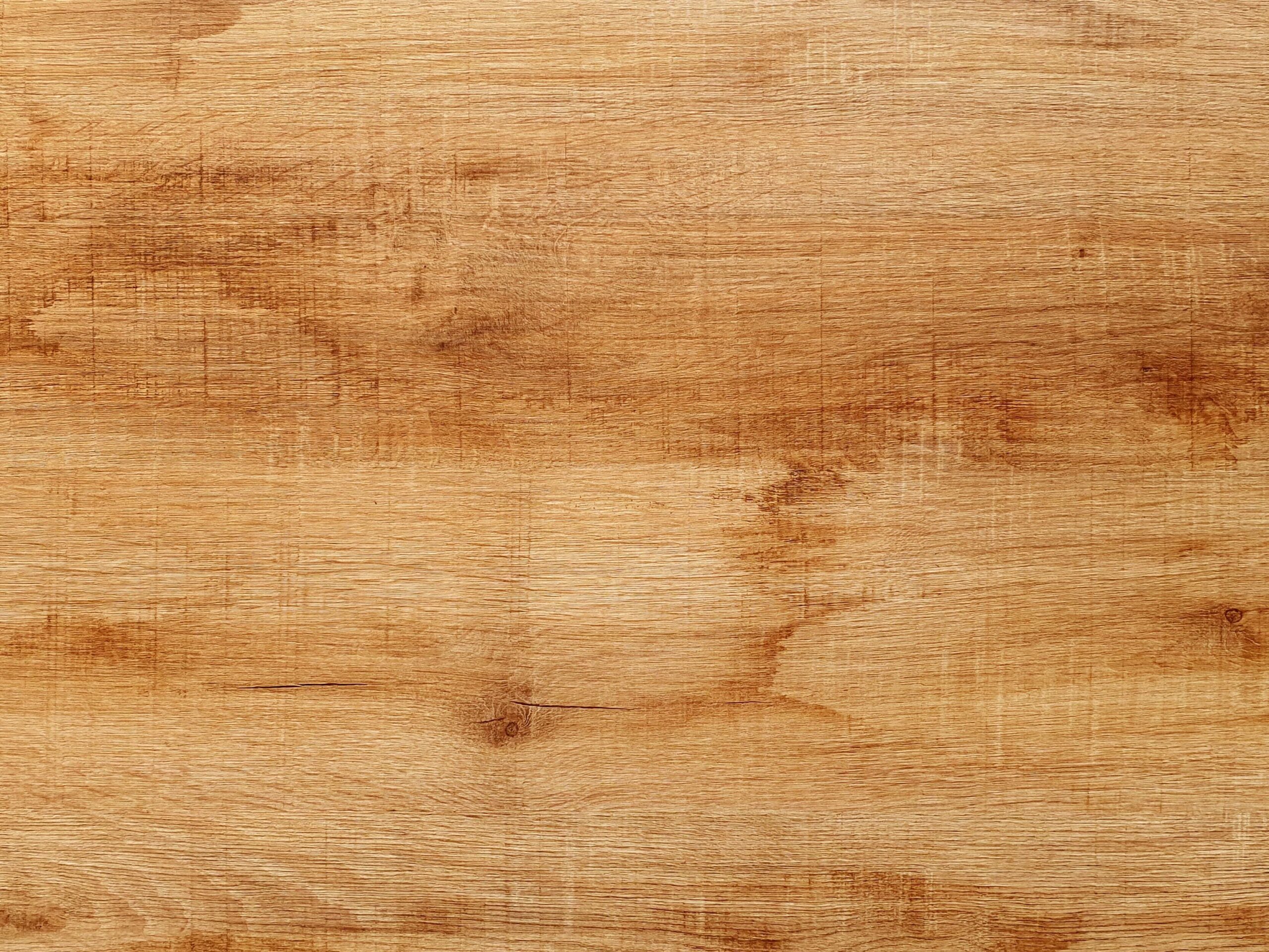
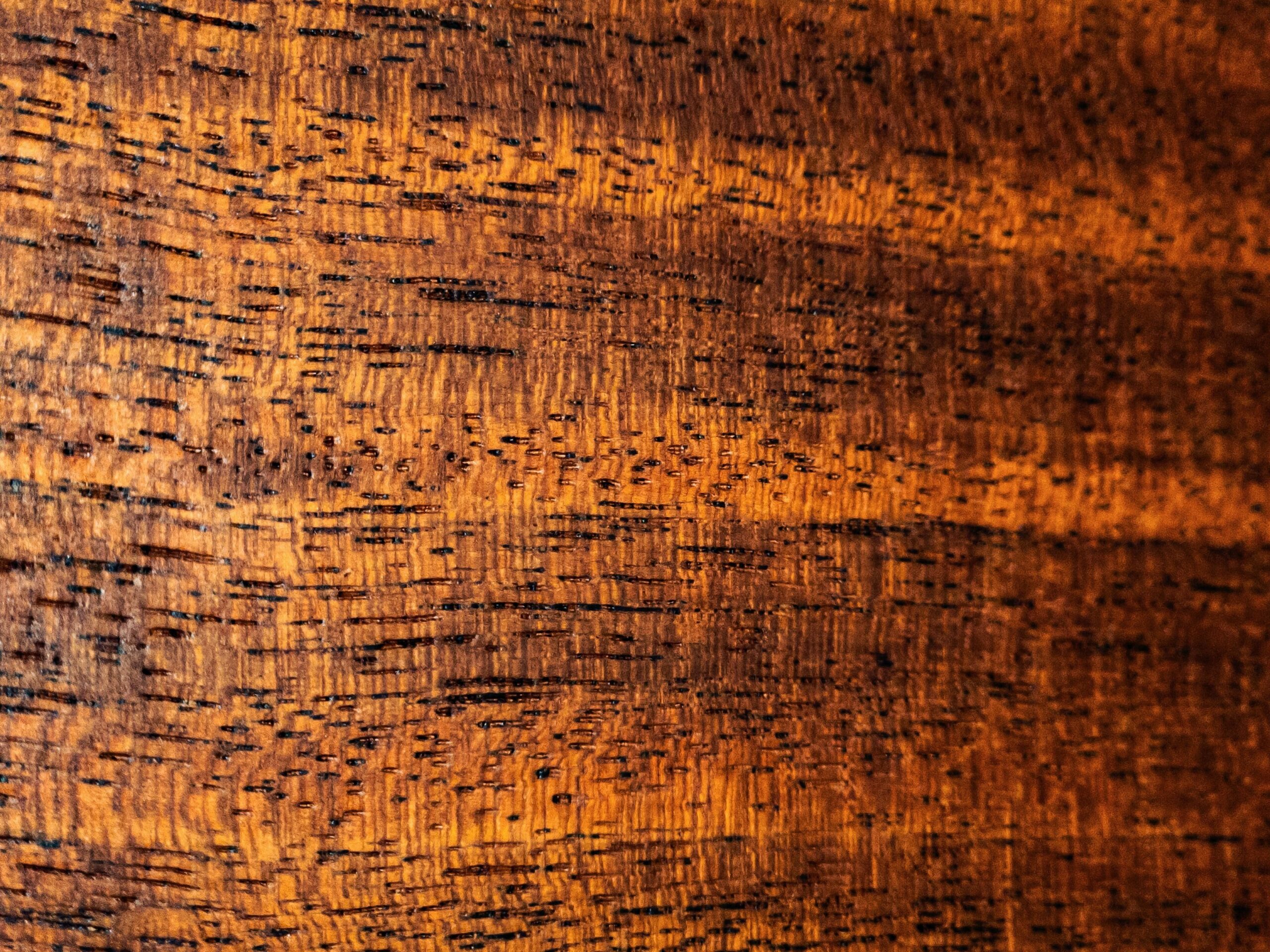
Close-up of natural wood grain on a table surface

Grain refers to the direction and pattern of the wood fibers that once carried water and nutrients up through the living tree. Straight-grained wood, cut parallel to the trunk, produces calm, orderly lines. Wood cut near branches, burls, or areas of stress can twist into swirling, unpredictable patterns instead.

How the Cut Changes the Look

How a plank is cut relative to the tree’s rings also changes its appearance. Quarter-sawn boards tend to show straighter, more uniform lines and are less prone to warping. Flat-sawn boards reveal the wide, cathedral-like arches many people associate with a classic wood grain. Millwork and flooring often specify one cut or the other for exactly this reason.

Figure: When Grain Gets Dramatic

Certain trees produce wood with striking, irregular patterns known as figure, distinct from ordinary grain. Curly, quilted, and birdseye figure form when fibers grow in wavy or clustered patterns rather than straight lines, often for reasons still not fully understood by botanists. Because figured wood is comparatively rare and difficult to predict from the outside of a log, it commands a premium price and is usually reserved for veneers, instrument tops, and other applications where appearance matters more than structural demands.

Color and How It Changes Over Time

Natural compounds called extractives give each species its color, and that color keeps shifting gently for years after the tree is cut.

Close-up of walnut wood grain

Walnut

A deep chocolate brown that stays rich and dark.

Close-up of cherry wood grain

Cherry

Starts warm red and deepens further with age and light.

Close-up of maple wood grain

Maple

A pale, creamy tone that ambers softly over time.

In Depth +

Why Wood Changes Color

Wood color comes from natural compounds called extractives, deposited in the heartwood as a tree ages. Because these compounds are organic, they continue to react after a tree is cut. Sunlight, air, and time all shift a piece of wood’s color gradually, often deepening and warming it, which is one reason old, well-loved furniture can look richer than the day it was made. Few other materials share this ability to visibly improve with age rather than simply wear out.

Working With Wood’s Natural Palette

Pairing different wood species is a common way designers add contrast without introducing any material other than wood itself. Pale maple against dark walnut, or golden oak against nearly black ebony, can create a visual rhythm that paint alone rarely achieves, since the color shift comes with a matching change in grain and texture. Finishing choices matter here too, a clear oil lets a wood’s natural color develop, while a tinted stain can push a lighter species toward the tone of a more expensive one.

Texture and Figure

Grain, texture, and figure together are what give each board its own visual identity.

Coarse Texture

Large-pored woods like oak feel noticeably coarser to the touch.

Quilted Figure

A shimmering, rippled pattern caused by unusual localized growth.

Birdseye Figure

Small, swirling eyes scattered across the grain of certain maples.

In Depth +

Texture and Figure

Texture describes how coarse or fine a wood feels and looks, largely determined by the size of its pores and growth rings. Oak, with its large pores, feels noticeably coarser than tight-grained maple or cherry. “Figure” is the term for special visual effects layered on top of ordinary grain, patterns like the shimmering ripple of quilted maple or the small, swirling eyes of birdseye maple, caused by unusual, localized growth patterns within the tree.

Why We Respond to Wood Visually

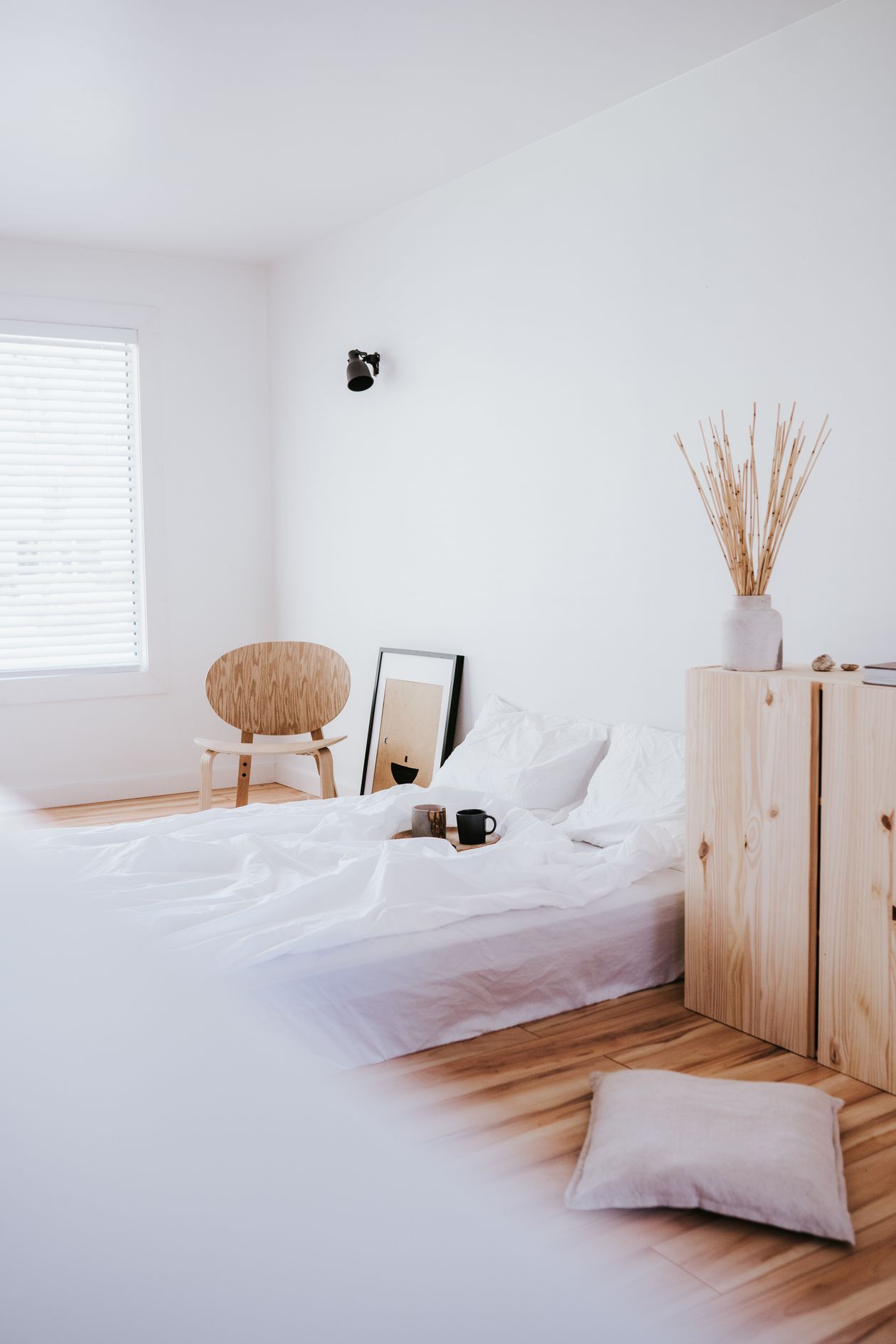
Wood surfaces tend to feel calming and inviting compared with uniform, synthetic materials. Architects and designers regularly use wood specifically to make spaces feel warmer and more human, whatever the room's actual temperature or size.

Explore Everyday Products Made from Wood
In Depth +

Putting Aesthetic Qualities to Use

These same aesthetic properties of wood are exactly why it shows up so often in small, everyday pieces meant to be seen up close, not just structural ones. The right wood finish can protect a piece for decades without hiding the grain, color, and figure that made the wood worth choosing in the first place.