Everything Wood

Wood Finishing Options: Oils, Waxes, and Protective Coatings

A wood finish does more than add shine: it decides how a piece resists water, scratches, and sunlight for years to come. From thin penetrating oils to hard protective films, the finishing options below shape both the look and the lifespan of any wooden piece.

Film-Forming Finishes

Film-forming finishes cure into a protective layer that sits on top of the wood rather than soaking into it, which is why they tend to offer the strongest defense against moisture and everyday wear.

Varnish and Polyurethane

Builds a hard, water-resistant shell that shrugs off spills, heat, and everyday scuffs.

Lacquer

Dries fast into a thin, glass-smooth coat, the standard finish in factory furniture production.

Shellac

A natural resin finish prized for its warm amber glow and simple, alcohol-based repairs.

In Depth +

How Film Finishes Protect the Surface

Varnish and polyurethane both cure through a chemical reaction into a continuous, plastic-like layer, which is what makes varnish and its modern cousin polyurethane so effective against water rings, spills, and everyday abrasion. Oil-based versions amber slightly with age and add warmth to the wood, while water-based formulas dry clear and stay that way, a difference worth weighing on pale species like maple or ash.

Lacquer and Shellac in Practice

Lacquer is sprayed on in thin coats that flash-dry within minutes, which is why furniture factories favor it for high-volume finishing, though the fast dry time makes brushing it by hand tricky for beginners. Shellac, by contrast, is one of the oldest finishes still in regular use: dissolved from resin flakes in alcohol, it dries quickly, sands easily between coats, and can be repaired by simply wiping on a fresh layer, even years after the original application.

Penetrating Oil Finishes

Oil finishes soak into the wood fibers instead of sitting on top, producing a natural, low-sheen look that many woodworkers prefer for tables and everyday furniture.

Tung Oil

A pure, food-safe oil that hardens inside the wood for solid water resistance without a glossy film.

Danish Oil

A blend of oil and varnish that adds a touch more protection while keeping a natural, hand-rubbed feel.

Linseed Oil

One of the oldest wood finishes, valued for deepening color and highlighting grain rather than sealing it.

In Depth +

Why Oil Finishes Age So Well

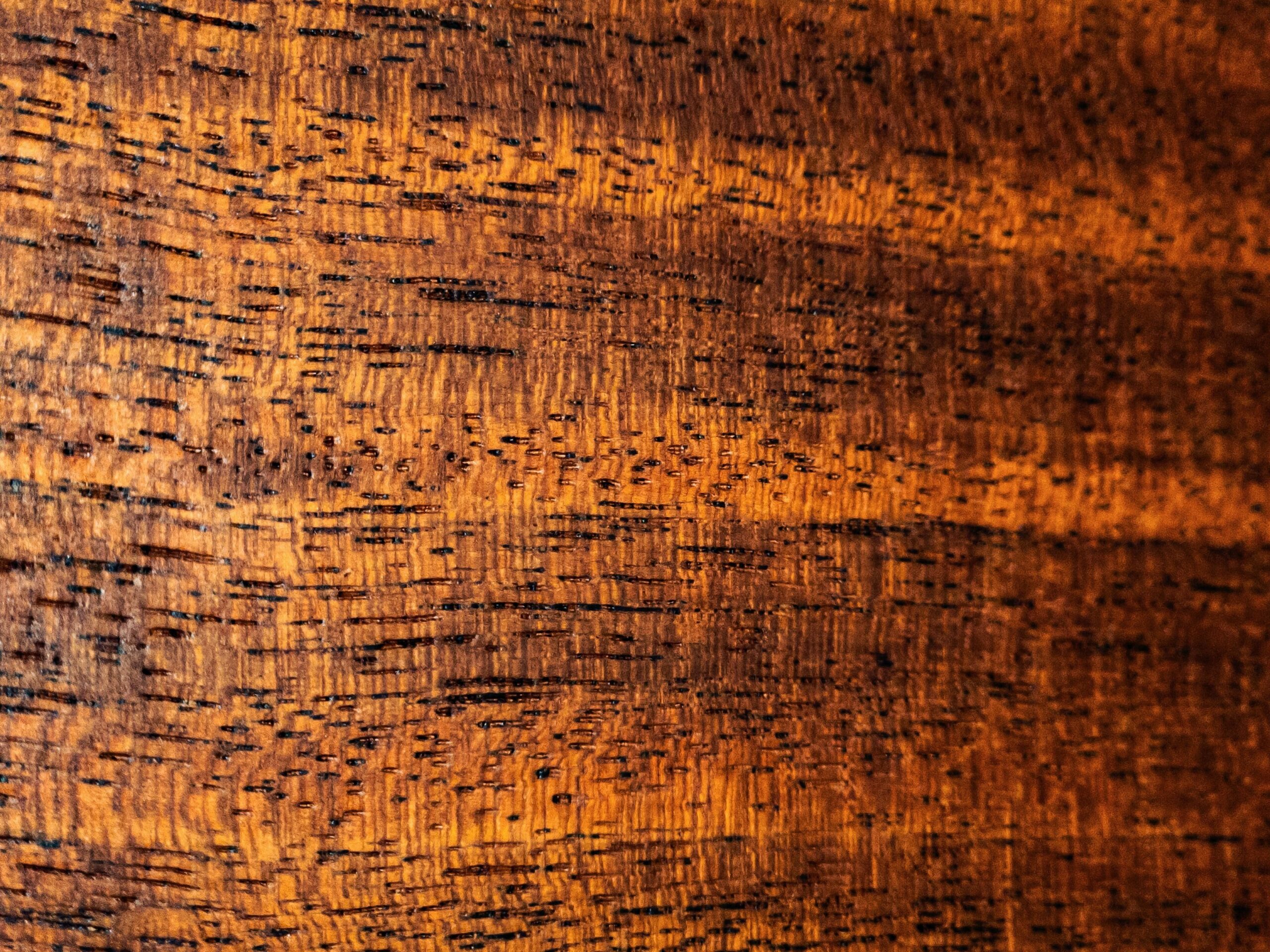
Close-up of walnut wood grain deepened by an oil finish

Because oil soaks into the fibers rather than forming a surface film, it never cracks, peels, or shows the white haze that a damaged film finish leaves behind; a worn patch just gets a fresh coat rubbed in. That same penetration is also what deepens color and makes grain patterns more vivid, an effect especially noticeable on walnut and other richly figured hardwoods.

Renewing an Oiled Surface

An oiled tabletop needs more upkeep than a varnished one, since the surface is unprotected from spills and heat until oil is reapplied every few months on frequently used pieces. Danish oil’s added varnish content stretches that interval out somewhat, making it a practical middle ground between raw oil and a full film finish.

Wax and Natural Finishes

Wax and unfinished surfaces sit at the gentle end of the spectrum, offering a soft look and easy upkeep in exchange for less protection than an oil or film finish.

Beeswax

Buffed on by hand for a soft, low sheen that's simple to refresh with a new coat.

Hard Wax Oil

Combines wax and oil in one product, adding more durability than wax alone.

Raw or Unfinished Wood

Left untouched to age and darken naturally, a look chosen as much as it happens by accident.

In Depth +

What Wax Finishes Offer

Wax finishes, typically beeswax or carnauba blended into a paste, sit lightly on the surface and are buffed to a soft sheen rather than a hard shine. They offer the least protection of the common finishing options, wearing away with regular use, but they’re also the easiest to touch up: a light reapplication restores the look in minutes without any sanding or stripping.

Leaving Wood Unfinished

Some pieces are left with no finish at all, particularly outdoor furniture in weather-resistant species or interior pieces meant to develop a natural patina over time. Unfinished wood absorbs moisture more readily and will change color as it’s exposed to light, so the choice works best when that gradual aging is part of the appeal rather than a flaw to prevent.

Choosing and Maintaining the Right Finish

The right finish comes down to how a piece will actually be used: a dining table that sees daily spills calls for different protection than a decorative shelf that's rarely touched. Matching the finish to the wear a piece will face is what keeps both the look and the protection intact for years.

See Woodworking and Crafting Techniques
In Depth +

Matching Finish to Daily Use

Kitchenware and cutting boards call for a food-safe oil rather than a film finish, since no one wants varnish flaking into food. High-traffic surfaces like dining tables and desks benefit most from a hard film finish such as varnish or polyurethane, which resists the scratches, heat, and spills that daily use brings, while lower-contact pieces like picture frames or decorative boxes can get by comfortably with wax or oil alone.