Handcrafted wood furniture often costs more than mass-produced alternatives, and it is fair to ask why. Here are five reasons that price difference is actually worth paying for.
Table of Contents
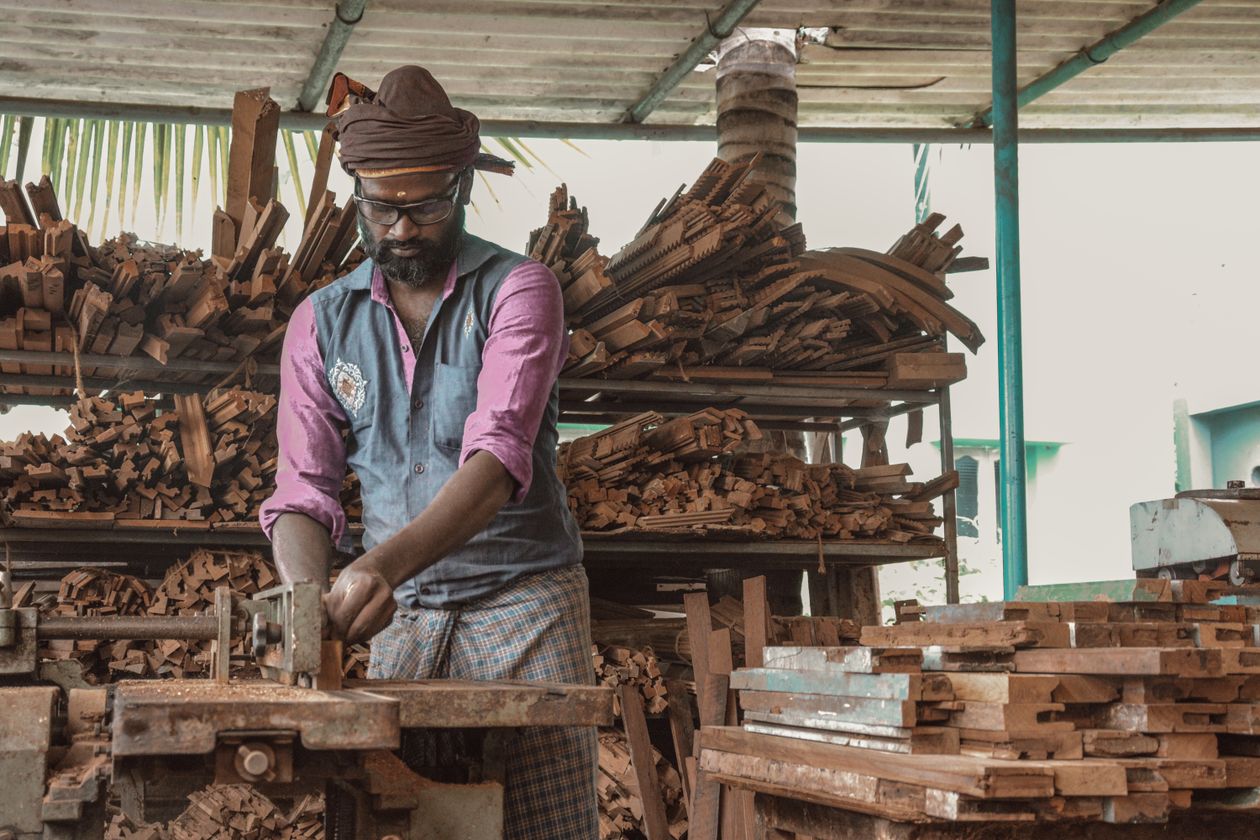
Time and Skill
A handcrafted piece can take many hours of skilled labor to design, cut, join, and finish. Mass production trades that time for speed, using machinery to produce many identical pieces quickly. Handcrafted wood furniture simply cannot be made at the same pace, and that time is reflected in the price.
Better Joinery
Skilled makers tend to favor traditional joints like dovetails and mortise and tenon over staples or glue, because they know these joints will outlast the alternatives. As covered in our guide to wood joinery techniques, this choice has a real impact on how long a piece survives.
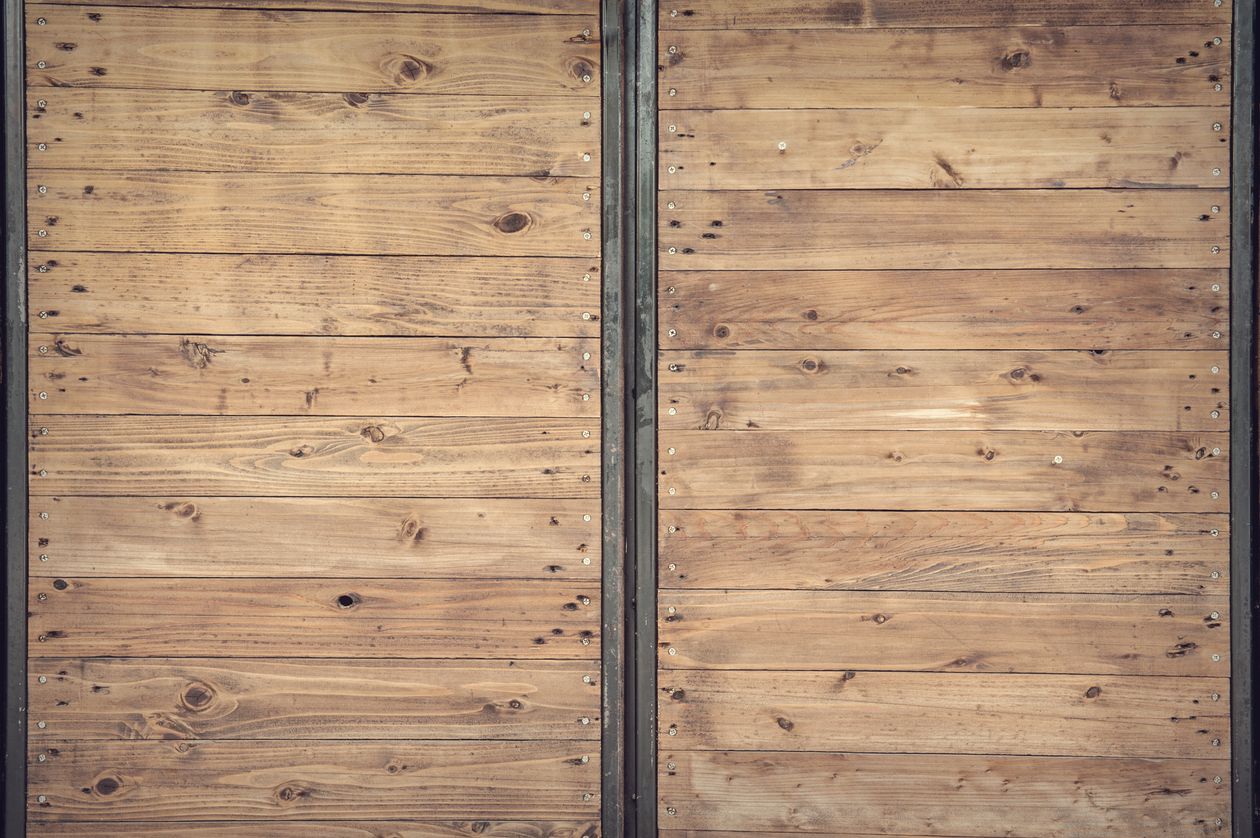
Attention to Material
A skilled craftsperson selects each piece of wood with its grain, color, and imperfections in mind, arranging boards so the finished piece looks intentional rather than mismatched. Mass production generally does not have the time or margin for this level of selection.
Fewer, Better Pieces
Handcrafted furniture is usually made in small batches, sometimes one piece at a time. This means more oversight at every step, and less room for the small defects that can slip through in high-volume manufacturing.
An Investment, Not an Expense
A well-made piece of handcrafted wood furniture can be repaired, refinished, and passed down, often outliving several generations of mass-produced furniture. When you consider cost per year of use rather than the sticker price alone, the gap narrows considerably, a principle sometimes called cost per use.
Handcrafted wood furniture is not the right choice for every budget or every piece in your home, but understanding what you are paying for makes it easier to decide where it is worth the investment.
Why is handcrafted wood furniture so expensive?
The price reflects the hours of skilled labor, stronger traditional joinery, careful material selection, and small-batch production that go into each piece, all of which are harder to achieve at mass-production speed.
Does handcrafted wood furniture last longer than mass-produced pieces?
Generally yes. Stronger joints like dovetails and mortise and tenon, combined with better material selection and more oversight during construction, tend to make handcrafted pieces more durable and repairable over time.
Is handcrafted wood furniture worth it for every room?
Not necessarily. It tends to make the most sense for pieces you plan to keep for a long time or use heavily, while lower-traffic or temporary pieces may not justify the higher upfront cost.