When it comes to oak vs walnut furniture, the choice usually comes down to three things: color, hardness, and price. Both woods are durable, beautiful, and age gracefully, but they suit different homes, budgets, and styles. Here’s how to decide between them.
Table of Contents
Color and Grain
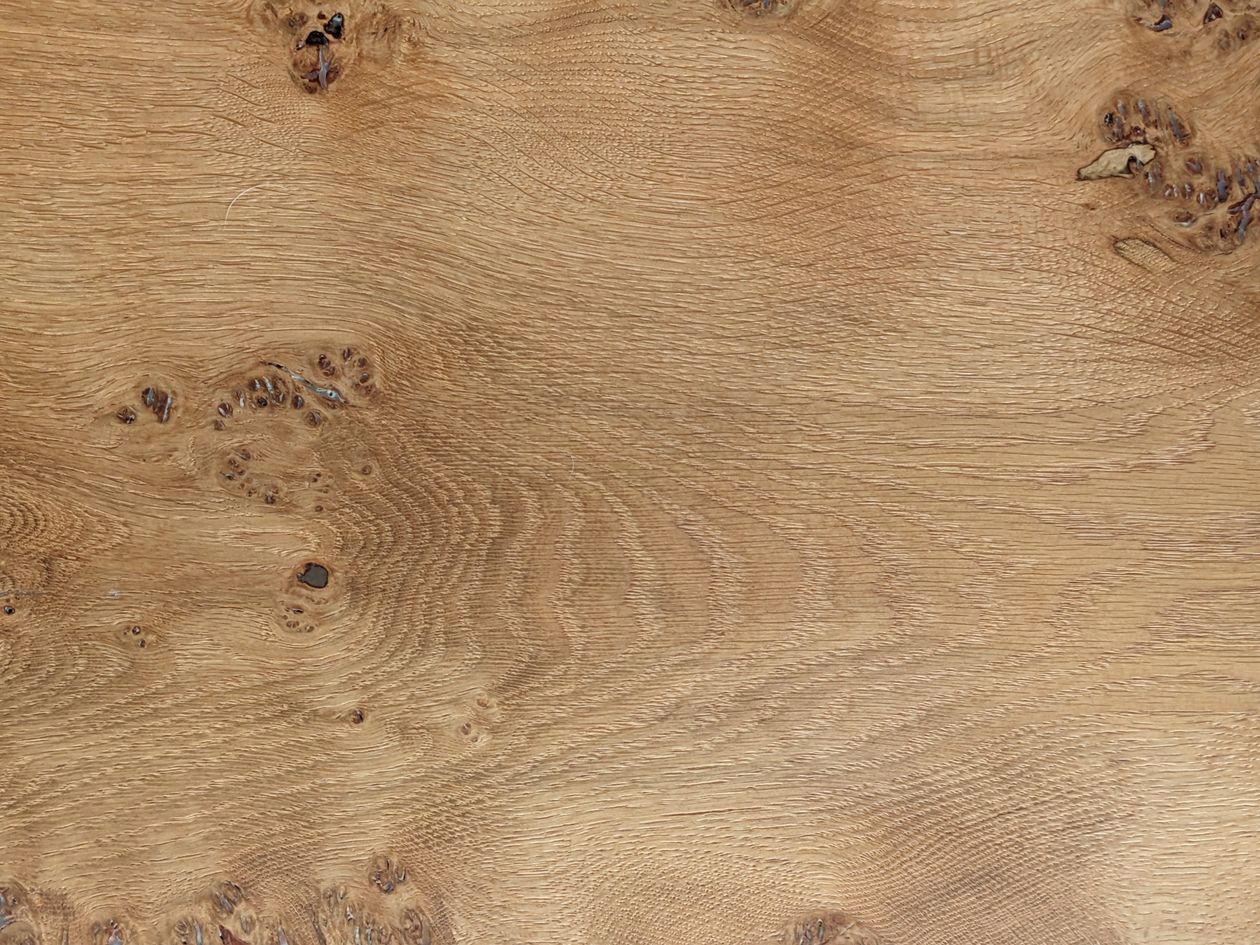
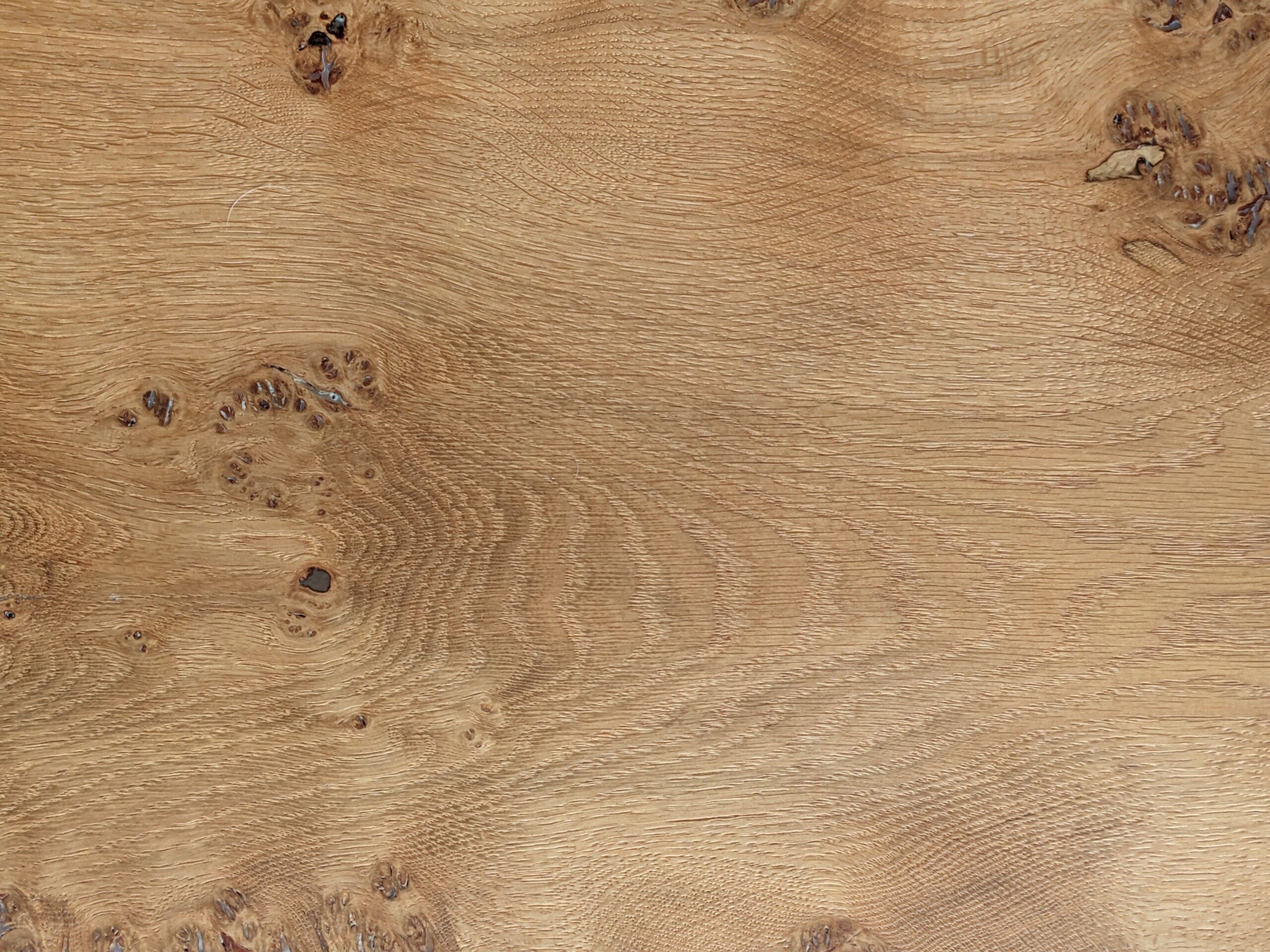
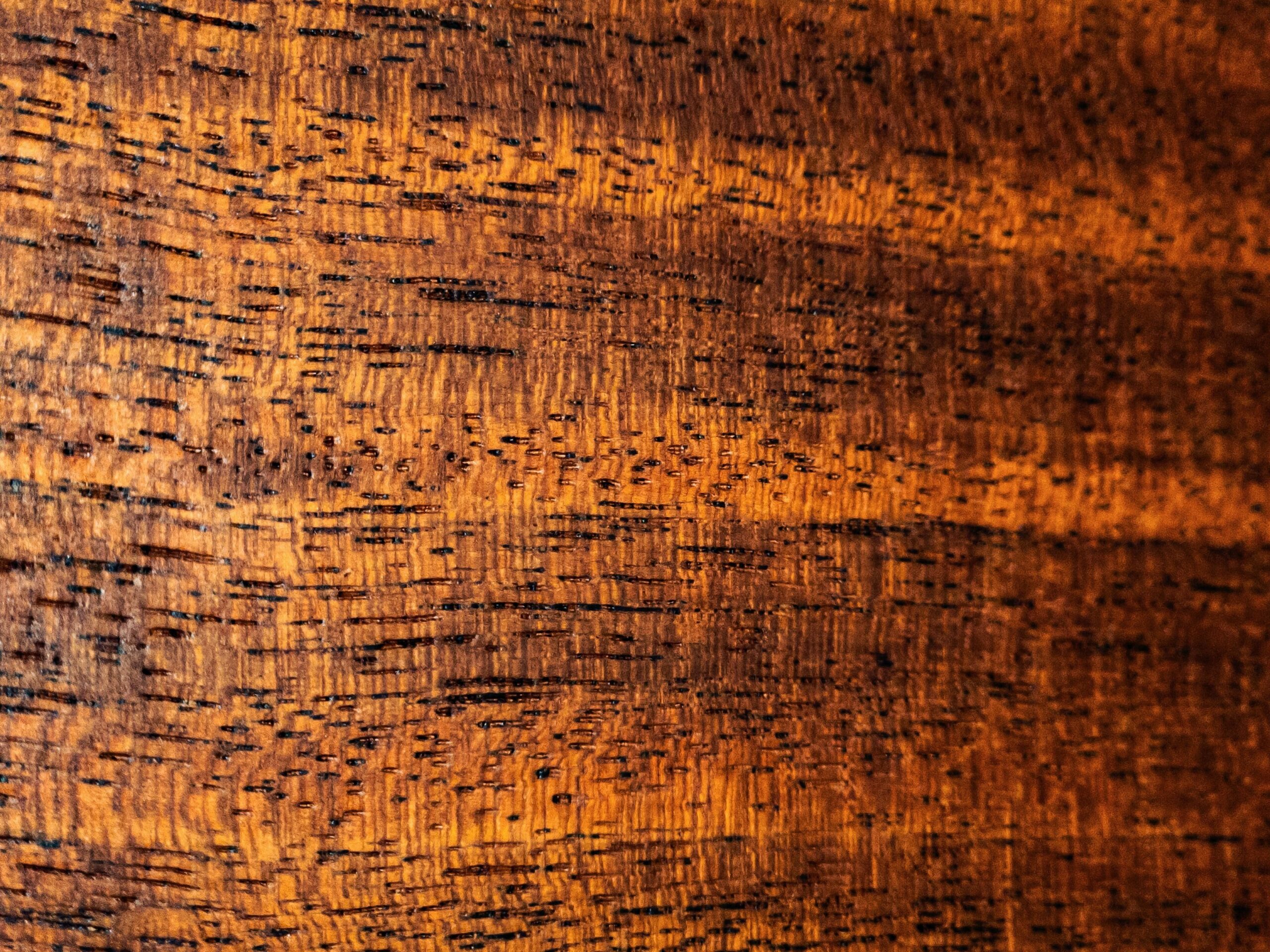
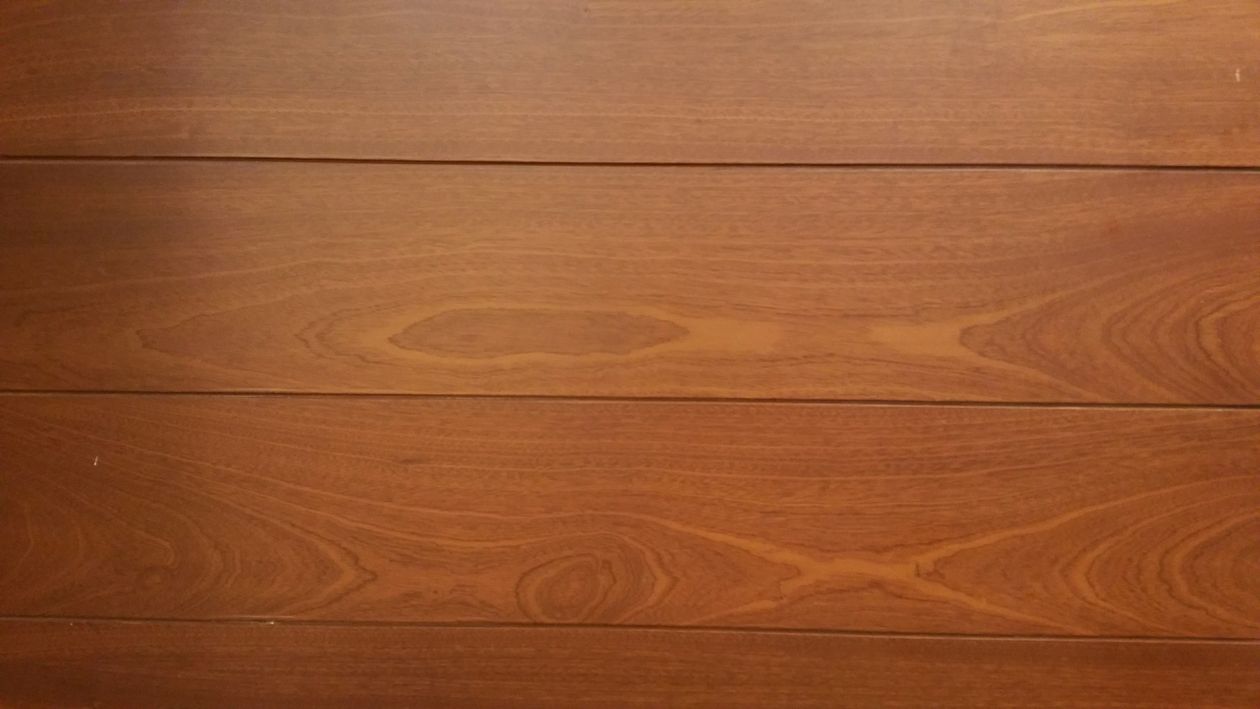
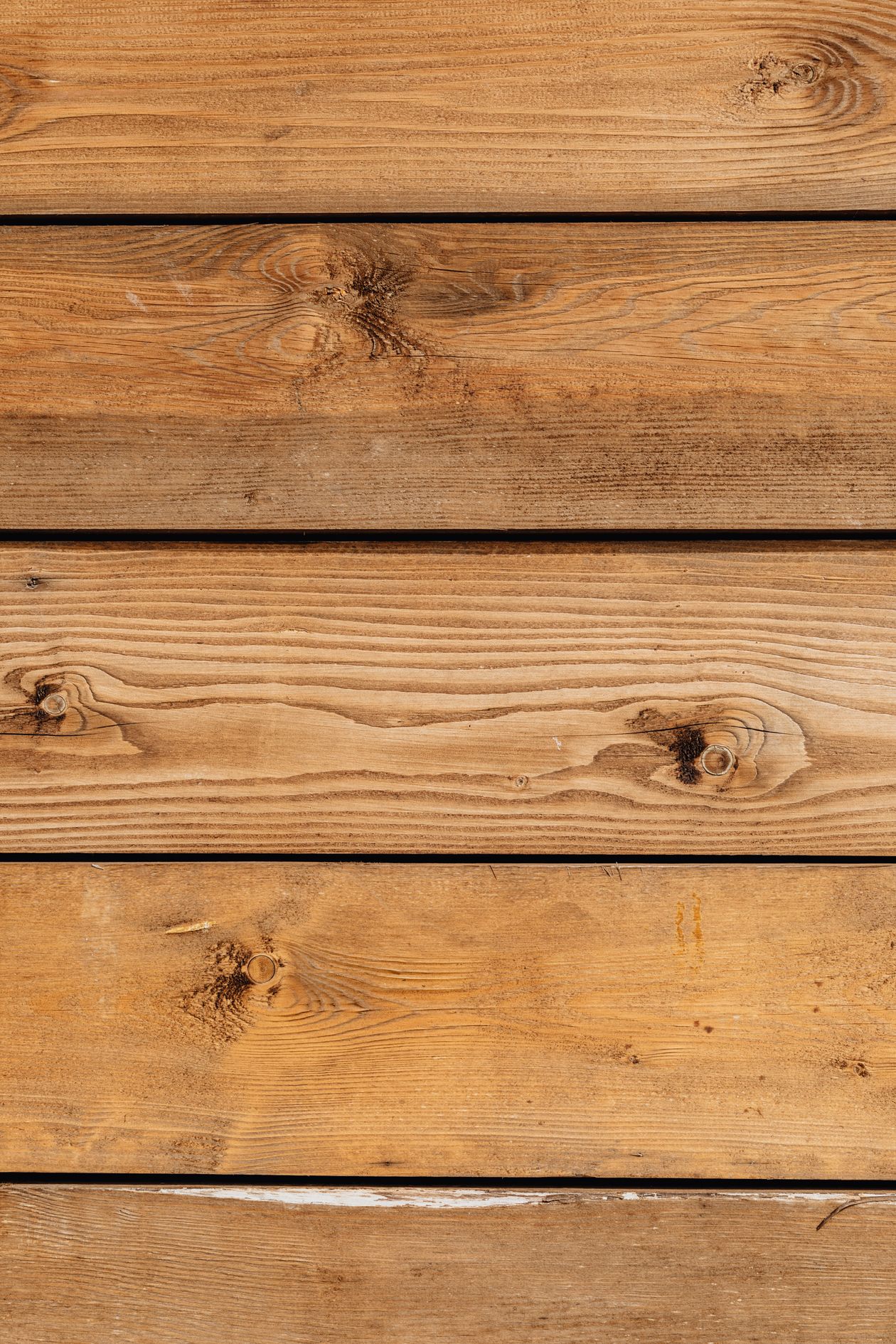
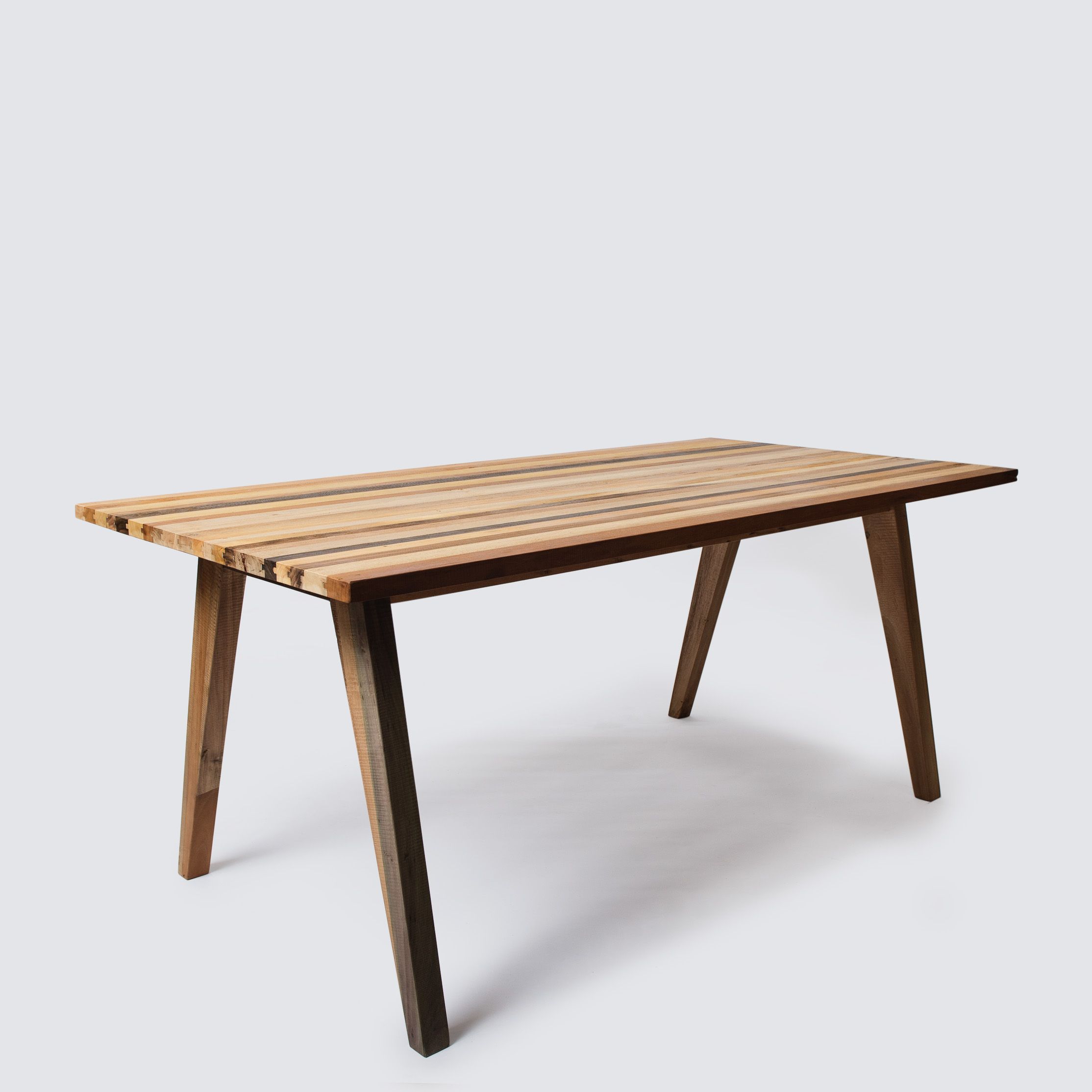
Oak has a pale, golden tone with a pronounced, often wavy grain pattern. It brings a bright, casual warmth to a room and pairs easily with both traditional and Scandinavian-style interiors. Walnut is a deep chocolate brown with a finer, straighter grain, giving it a more formal, contemporary look that works well as a statement piece. If you want a piece that anchors a room with quiet richness, walnut tends to win. If you prefer a lighter, more rustic feel that brightens a space, oak is usually the better fit.
Hardness and Durability
Oak is one of the hardest common furniture woods, which makes it highly resistant to dents and scratches, ideal for dining tables, desks, and any piece that sees daily use. On the Janka hardness scale, red oak measures around 1,290 lbf and white oak around 1,360 lbf. Walnut is softer at roughly 1,010 lbf, though still durable enough for most furniture. It shows small marks a little more easily, but many people find this adds character over time rather than looking worn. For a deeper look at how different species compare, the Janka hardness chart is a useful reference. Our guide to the technical properties of wood covers hardness and durability in more detail.
Price
Walnut is typically more expensive than oak, since it grows more slowly, has a lower usable-lumber yield per tree, and is less widely available. Prices can run 30 to 50 percent higher for comparable pieces. If budget is a concern, oak offers excellent durability and a timeless look at a more accessible price point, without much compromise on longevity.
Maintenance and Care
Both woods hold up well with basic care: dusting regularly, keeping pieces out of direct sunlight and away from heat sources, and reapplying an oil or wax finish every year or two. Oak’s more open grain can trap a bit more dust and benefits from a slightly more thorough wipe-down, while walnut’s tighter grain is generally easier to keep clean. For a full seasonal routine, see our guide to caring for wooden furniture.
Sourcing and Sustainability
Both oak and walnut are widely grown across Europe and North America, and FSC- or PEFC-certified options are available for either species. Because walnut grows more slowly, sourcing it from a certified, well-managed forest matters even more to keep supply sustainable long-term. Our guide on spotting sustainably sourced wood furniture walks through what to check before you buy.
Oak vs Walnut Furniture: Which Should You Choose?
For a light, everyday piece built to take a beating, oak is hard to beat. For a statement piece that brings warmth and formality to a room, walnut is worth the investment. Either way, sourcing matters as much as species. For tips on making sure your next piece is built to last, see our buyer’s checklist for solid wood furniture.
Frequently Asked Questions
Is oak or walnut more durable?
u003cpu003eOak is harder and more scratch-resistant, measuring around 1,290 to 1,360 on the Janka hardness scale compared to roughly 1,010 for walnut. Walnut is still durable enough for everyday furniture, but it shows small marks a bit more easily.u003c/pu003e
Why is walnut furniture more expensive than oak?
u003cpu003eWalnut trees grow more slowly and produce a lower yield of usable lumber per tree than oak, which keeps supply tighter and prices higher, often 30 to 50 percent more for a comparable piece.u003c/pu003e
Is oak or walnut better for a dining table?
u003cpu003eOak is usually the better choice for a heavily used dining table thanks to its hardness and scratch resistance. Walnut works well too, especially if you don’t mind a bit of visible character developing over time.u003c/pu003e
Can oak and walnut furniture be combined in the same room?
u003cpu003eYes. Pairing a lighter oak piece with a darker walnut piece is a common way to add contrast and depth to a room, as long as the undertones, warm versus cool, are reasonably close.u003c/pu003e