Everything Wood

Wood Species and Their Applications

Wood species and uses go hand in hand: not all wood is interchangeable. Different species have evolved distinct properties, and over centuries, people have matched those properties to very specific jobs.

Hardwoods and Softwoods

Wood is broadly divided into two families, though the names are a little misleading.

Hardwoods

From broad-leaved, usually deciduous trees. Tend to be denser and are favored for furniture, flooring, and fine woodworking.

Oak, Walnut, Maple, Cherry

Softwoods

From cone-bearing evergreens. Generally grow faster and are widely used for construction lumber.

Pine, Spruce, Cedar
In Depth +

A Distinction With Exceptions

The names hardwood and softwood are a little misleading, since some softwoods are physically harder than some hardwoods, but the distinction reflects real differences in how the trees grow and how their wood behaves. Softwoods generally grow faster and are widely used for construction lumber, while hardwoods tend to be denser and are favored for furniture, flooring, and fine woodworking, one of the clearest examples of how wood species and uses stay linked from forest to finished product.

Balsa: The Exception That Proves the Rule

Balsa is the classic example used to illustrate that hardwood and softwood are botanical categories, not measures of actual hardness. Balsa comes from a broadleaf tree and is technically a hardwood, yet it is among the softest, lightest woods used commercially, prized for model building and insulation rather than furniture. Meanwhile yew, a softwood, is dense and springy enough that it was historically favored for longbows, a reminder that the botanical label predicts very little about how a given wood actually performs.

Species That Build Our Homes

These structural choices are some of the oldest and most consistent examples of species matched to purpose over the long run.

Close-up of pine wood grain

Pine

Fast growth and a good strength-to-weight ratio for framing and joists.

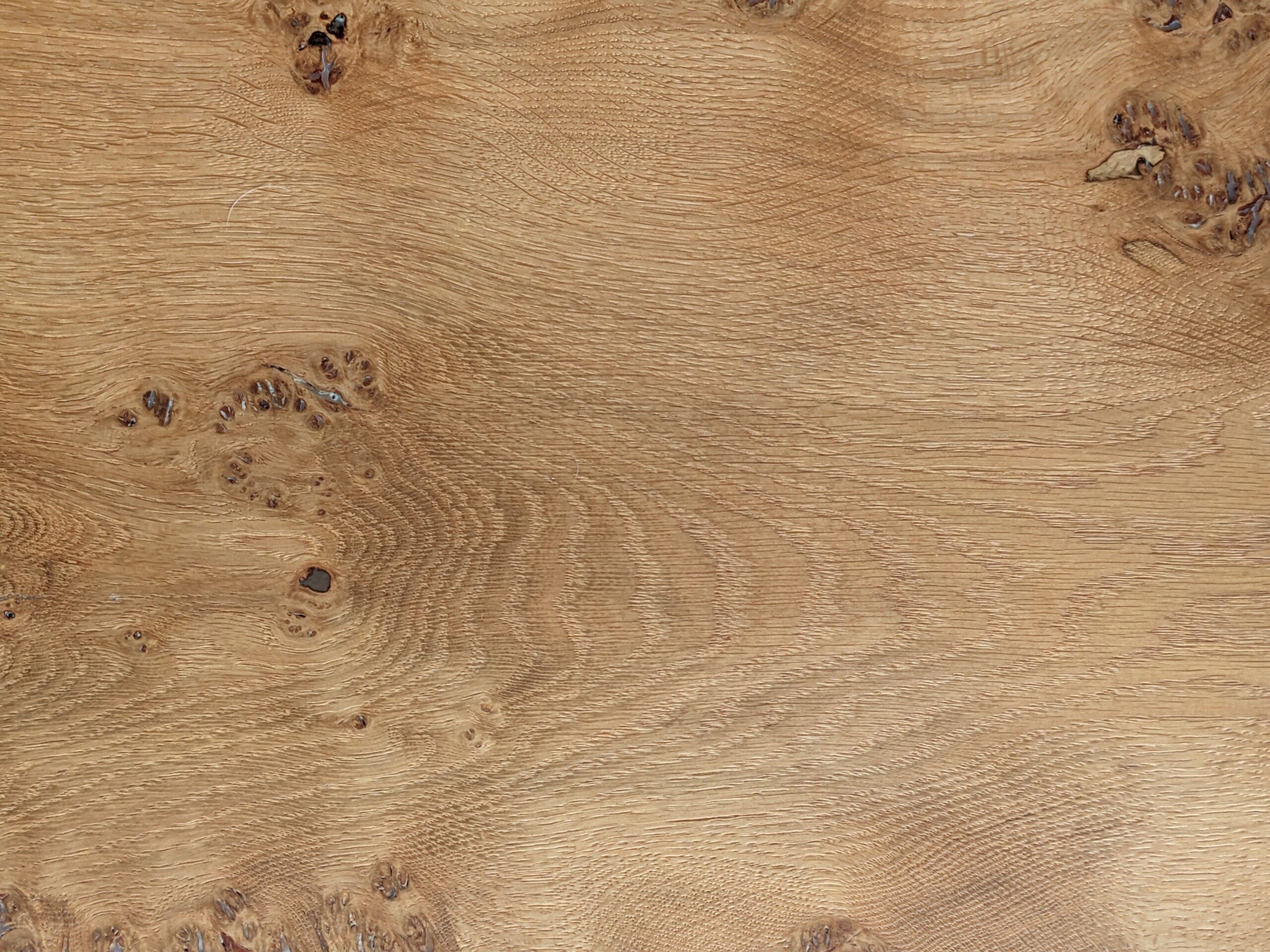
Close-up of oak wood grain

Oak

Prized for load-bearing structures and flooring that must last decades.

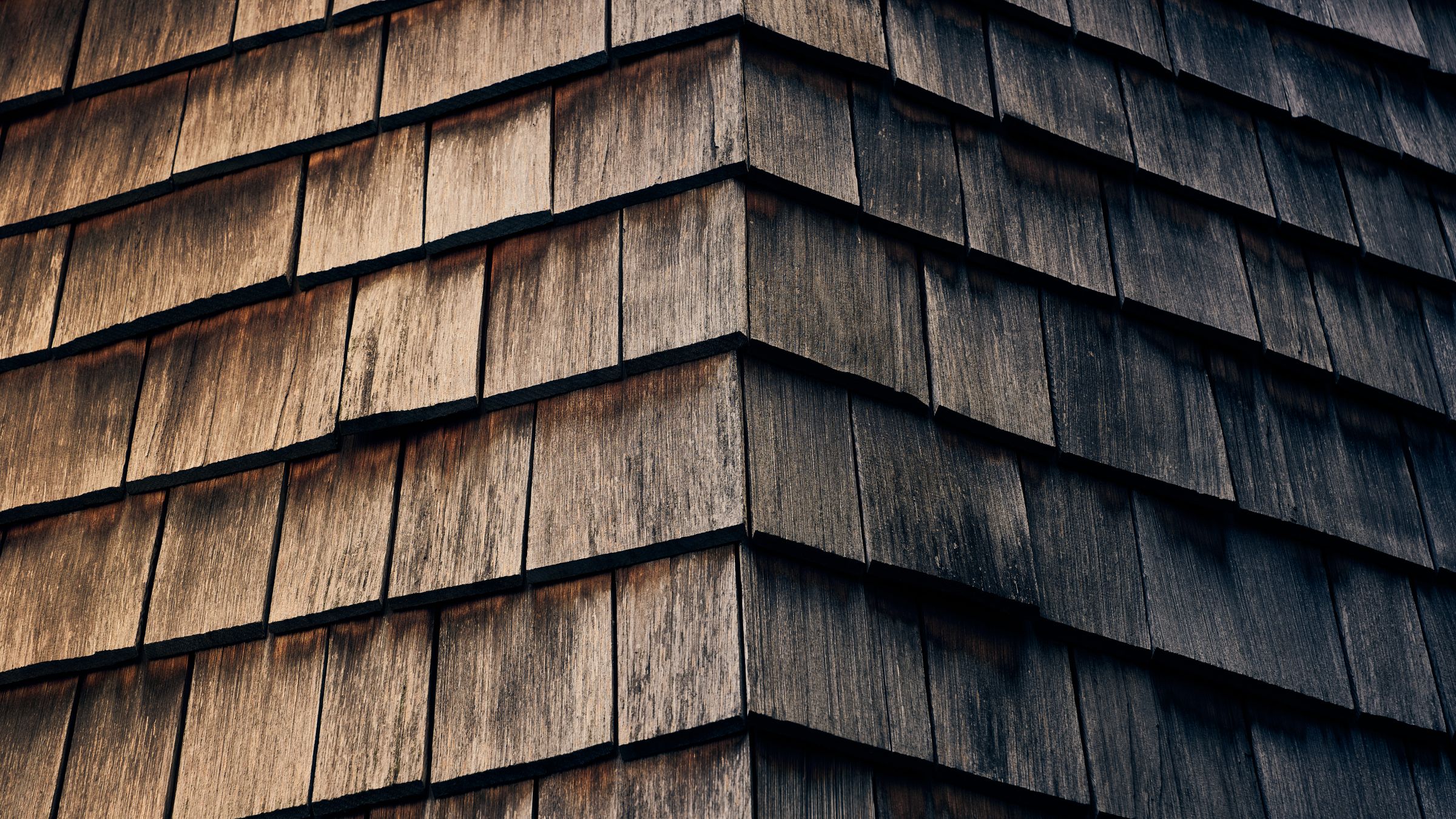
Close-up of cedar wood grain and texture

Cedar

Naturally rot and insect resistant, a common choice for outdoor structures.

In Depth +

Species That Build Our Homes

Pine and spruce dominate structural construction worldwide, valued for fast growth, availability, and a good strength-to-weight ratio for framing and joists. Oak has long been prized for load-bearing structures and flooring that need to withstand decades of daily use, historic timber-framed buildings across Europe still stand on oak beams cut centuries ago. Cedar, naturally resistant to rot and insects, is a common choice for outdoor structures, siding, and fencing.

Species Prized for Furniture and Craft
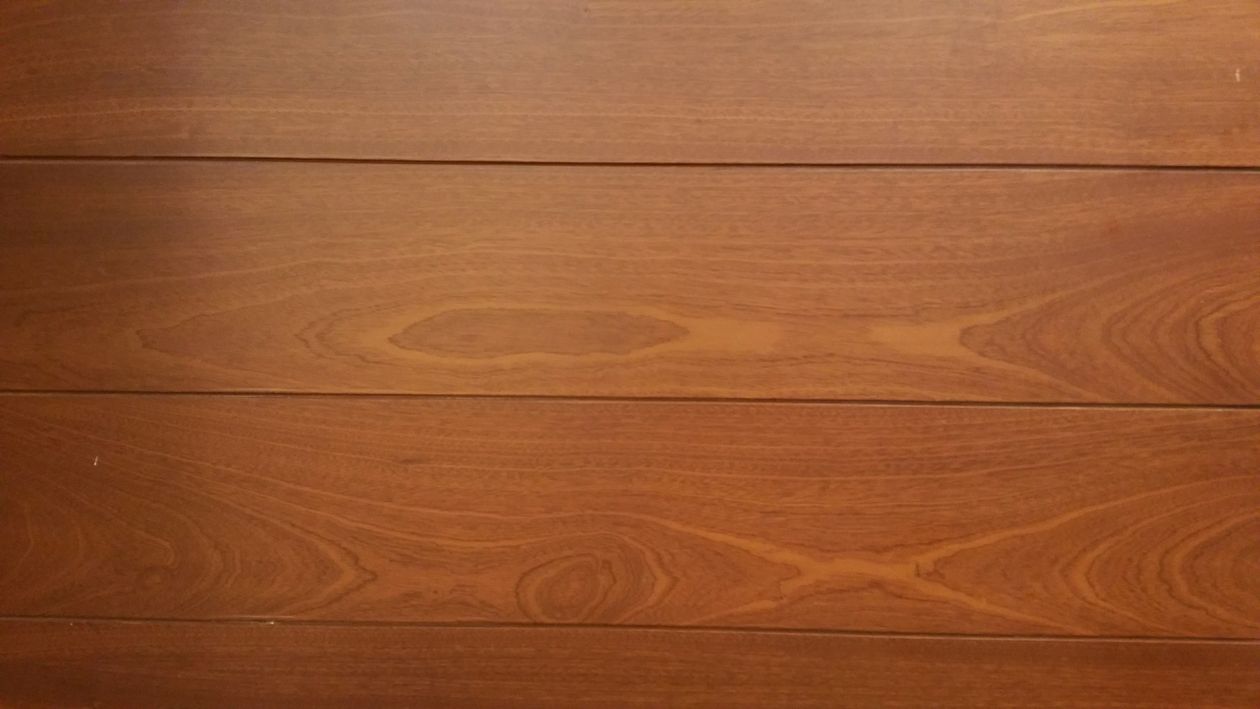
For fine furniture and craft, the choice of species shapes both the look and the longevity of the finished piece.

Close-up of walnut wood grain

Walnut

Deep brown tone and fine grain, a favorite for centuries.

Close-up of cherry wood grain

Cherry

Darkens beautifully with age, prized for cabinetry.

Close-up of maple wood grain

Maple

Pale color and durability suit cutting boards and flooring.

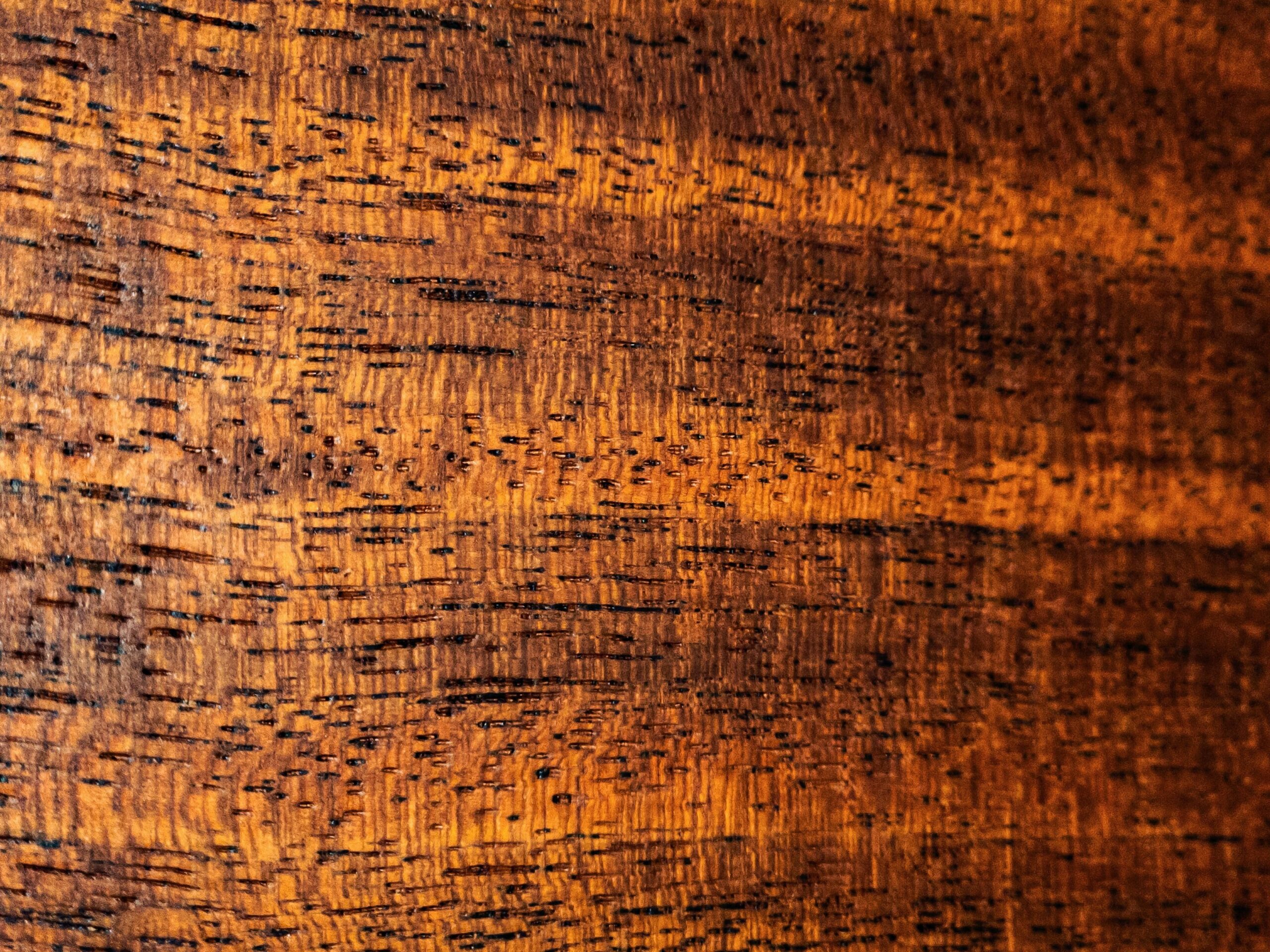
Close-up of teak wood grain

Teak

Natural oils give excellent water resistance for outdoor furniture.

In Depth +

Species Prized for Furniture and Craft

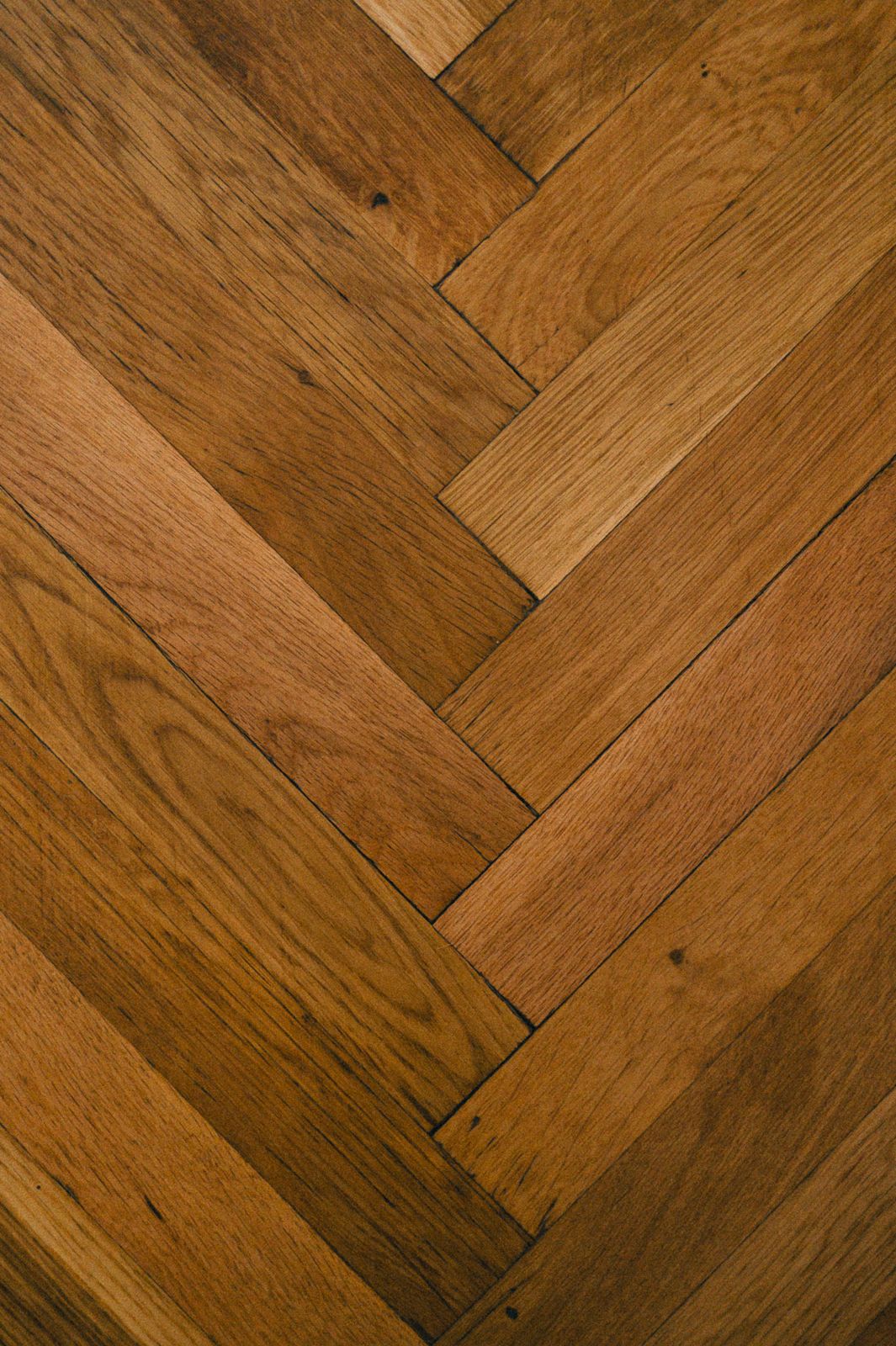
Wood species samples used for furniture and craft

Walnut, with its deep brown tone and fine grain, has been a favorite of furniture makers for centuries. Cherry darkens beautifully with age and is prized for cabinetry. Maple’s pale color and durability make it a common choice for cutting boards, countertops, and flooring, while teak’s natural oils give it excellent water resistance, making it a classic choice for outdoor furniture and boat decks.

Fast-Growing Alternatives

Bamboo, technically a grass rather than a tree, has become a popular alternative to traditional hardwoods. It matures in a few years rather than decades, and once processed into flooring or panels, it offers a hardness and stability that rivals many true hardwoods.

Regional Species and Local Availability

What counts as a common furniture wood shifts significantly by region. Oak and beech dominate traditional European furniture, while American makers have historically leaned on walnut, cherry, and maple. In parts of Asia, teak and rosewood carry similar prestige. This regional pattern often has as much to do with what grew locally and was affordable to log as it does with any inherent superiority of one species over another, since transporting heavy timber long distances was, for most of history, prohibitively expensive.

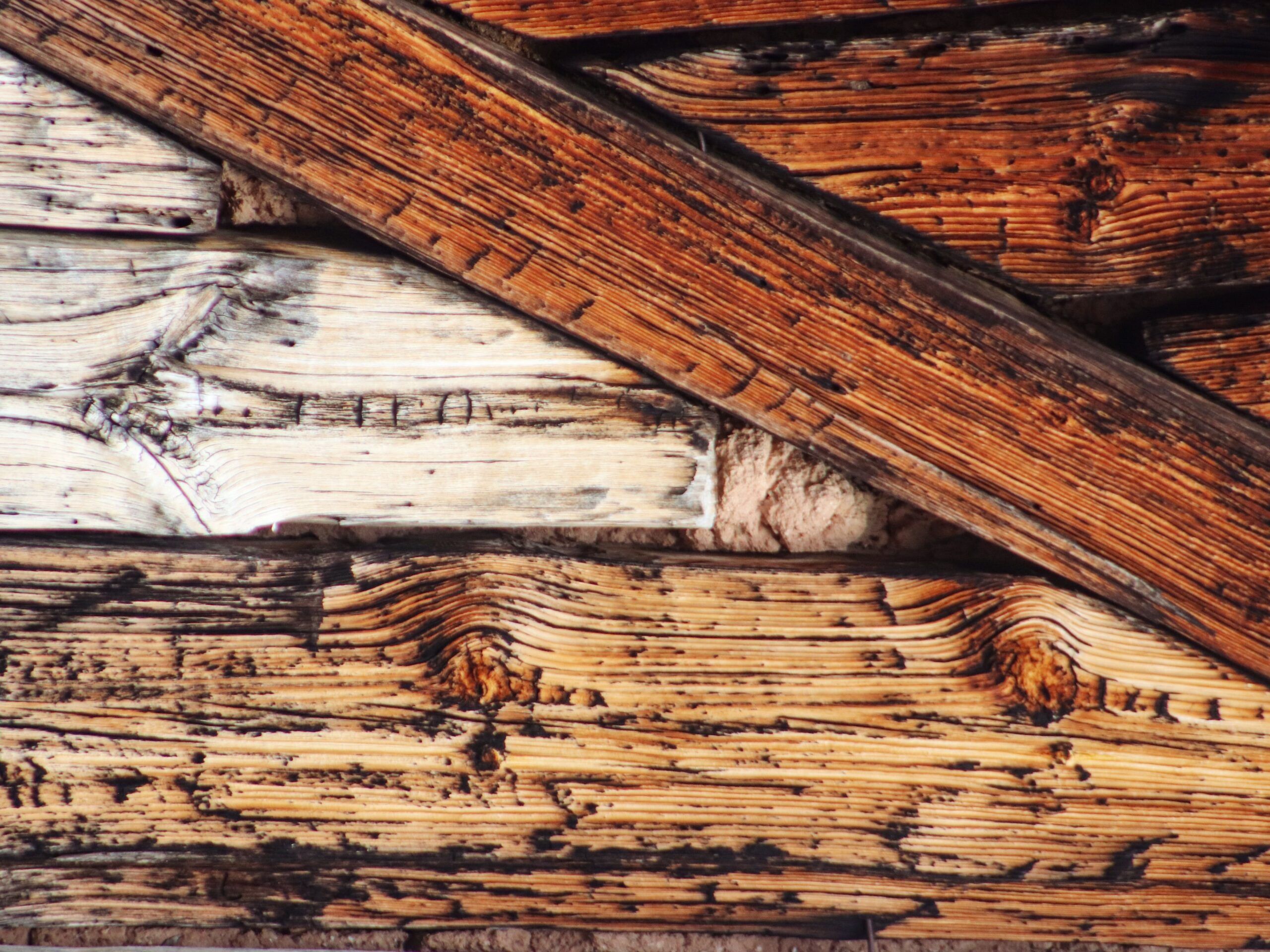
Matching Wood Species and Uses to Purpose

The right wood for a job depends on matching a species' natural properties, hardness, weight, moisture resistance, appearance, to what that job actually demands. A cutting board and a roof truss are both "just wood," but the decisions behind each choice draw on centuries of accumulated, practical knowledge.

See Everyday Products Made from Wood
In Depth +

Knowledge That Ages Well

As new species enter the market and old ones become scarcer or more expensive, the accepted pairings of wood species and uses keep shifting, which is exactly why it helps to understand the underlying properties rather than memorizing a static list of which wood goes where. That underlying knowledge tends to age far better than any trend.