Everything Wood

Everyday Products Made from Wood

Wood products show up almost everywhere in daily life, well beyond the furniture wood is most associated with. Here is a tour of the main categories these products fill, and what makes solid wood a natural fit for each one.

A Tour of Everyday Wood Products

From the kitchen counter to a child's toy box, wood earns its place in almost every room of the house.

Furniture and storage

Furniture and Storage

Tables, chairs, and cabinets built to carry weight for decades.

Kitchenware and tableware

Kitchenware and Tableware

Cutting boards and bowls that are gentle on knife edges.

Decor and small objects

Decor and Small Objects

Frames, coasters, and bowls where grain and color take center stage.

Toys and keepsakes

Toys and Keepsakes

Durable pieces that age with character rather than wearing out.

Construction and outdoor

Construction and Outdoor

Framing, decking, and fencing that rely on strength and workability.

In Depth +

Furniture, Kitchenware, and Decor
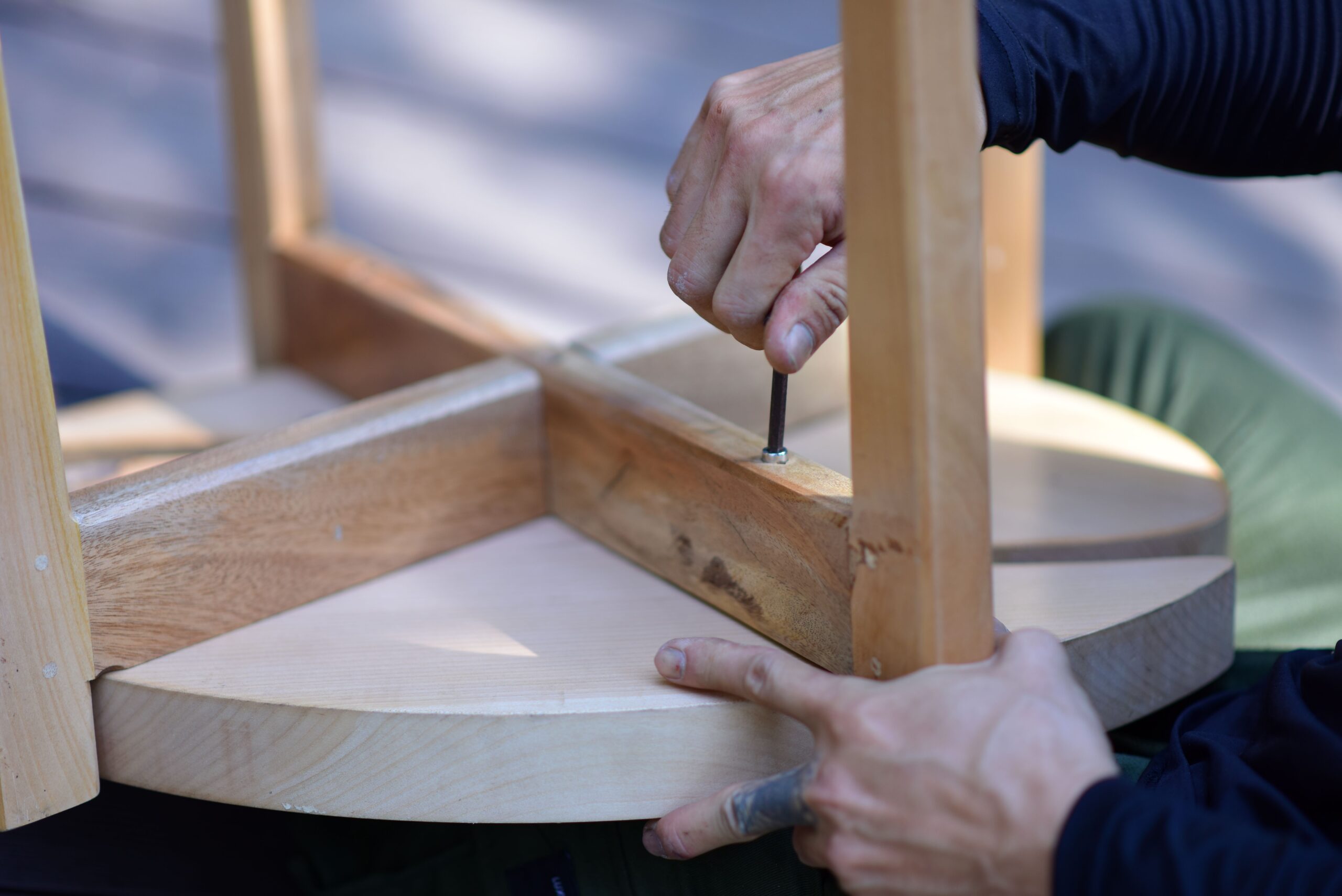
Crafting furniture, one of many everyday wood products

Solid wood furniture is prized for being repairable, a scratched or loose joint can typically be sanded, glued, or refinished, extending a piece’s life well beyond what most manufactured alternatives allow. Dense, tight-grained hardwoods like maple and walnut are especially popular for kitchenware, since they resist absorbing moisture and odors better than softer, more porous woods. Decor pieces let wood’s grain and color take center stage on a small scale.

Toys and Construction

Wooden toys remain popular for their durability and the way they age, gaining a soft, worn character rather than looking simply old. Beyond the home, framing lumber, decking, fencing, and beams rely on wood’s strength-to-weight ratio and workability. Choosing well-managed, sustainably sourced timber matters here too, since demand for construction-grade wood is one of the biggest drivers of global forestry practices.

Choosing Quality Wood Products

A few details separate wood products built to last from ones that need replacing within a year or two. Joinery matters more than most buyers expect, since dovetails, mortise-and-tenon joints, and doweled corners hold up far better than staples or glue alone, especially on pieces that get opened and closed daily, like drawers and cabinet doors. Weight is another useful signal, because solid wood is denser than the particleboard or MDF used in many budget alternatives, so a piece that feels unexpectedly light is often built from engineered material with a wood veneer rather than solid timber throughout. Checking how a maker finishes the wood helps too, a food-safe oil or wax finish is worth looking for on kitchenware, while furniture benefits from finishes that let the grain remain visible rather than hiding it under thick lacquer.


Where a Maker Like Wood Please Fits In

Small, considered wood goods sit at the intersection of several of these categories: functional enough for daily use, attractive enough to double as decor, and durable enough to be kept for years.

See Wood Species and Their Applications
In Depth +

Wood Products Worth Keeping

Whatever category a piece falls into, from a kitchen board to a keepsake box, the goal stays the same: build wood products worth keeping. That is the quiet thread running through every wood product on this list, whatever room of the house it ends up in.

Caring for Wood Products Over Time

Solid wood rewards a small amount of ongoing care. Keeping pieces away from direct heat sources and sudden humidity changes helps prevent the cracking and warping that cause most premature wear. A light coat of food-safe oil once or twice a year keeps cutting boards and bowls from drying out, while furniture generally only needs occasional dusting and, for oiled finishes, a fresh coat every year or two. Minor scratches and dents are rarely a reason to replace a piece, since sanding and refinishing can usually bring a well-made wood product back close to its original condition, which is part of why solid wood remains a practical long-term choice over materials that cannot be repaired.