Wooden photo frames turn a photograph into something you actually want to look at twice. The wood you choose, the finish on it, and even the width of the frame all change how a photo feels on a wall. A few thoughtful choices make the difference between a frame that gets noticed and one that just holds glass in place. Here’s what to check before you buy.
Table of Contents
Wooden Photo Frames: Start With the Wood Type and Finish
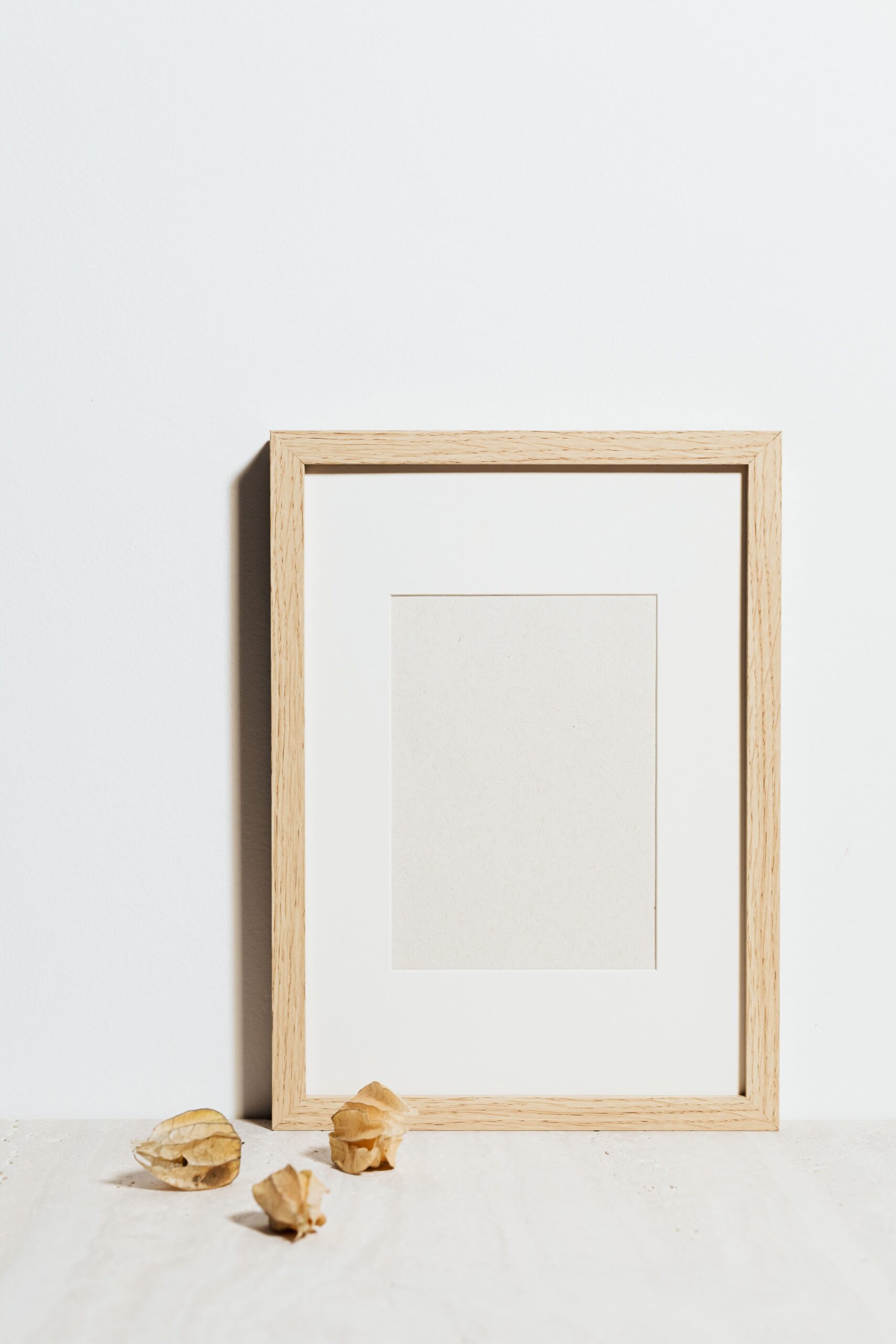
Different woods carry a photo differently. Oak has a light, golden tone with a visible grain that suits bright, casual rooms, while walnut leans darker and richer for a moodier gallery wall. Look closely at the finish too, not just the species. A natural oil finish keeps the grain feeling warm and touchable, while a heavier lacquer gives a smoother, more polished look. Neither is wrong, it simply depends on the room it’s going in.
Frame Style and Proportions
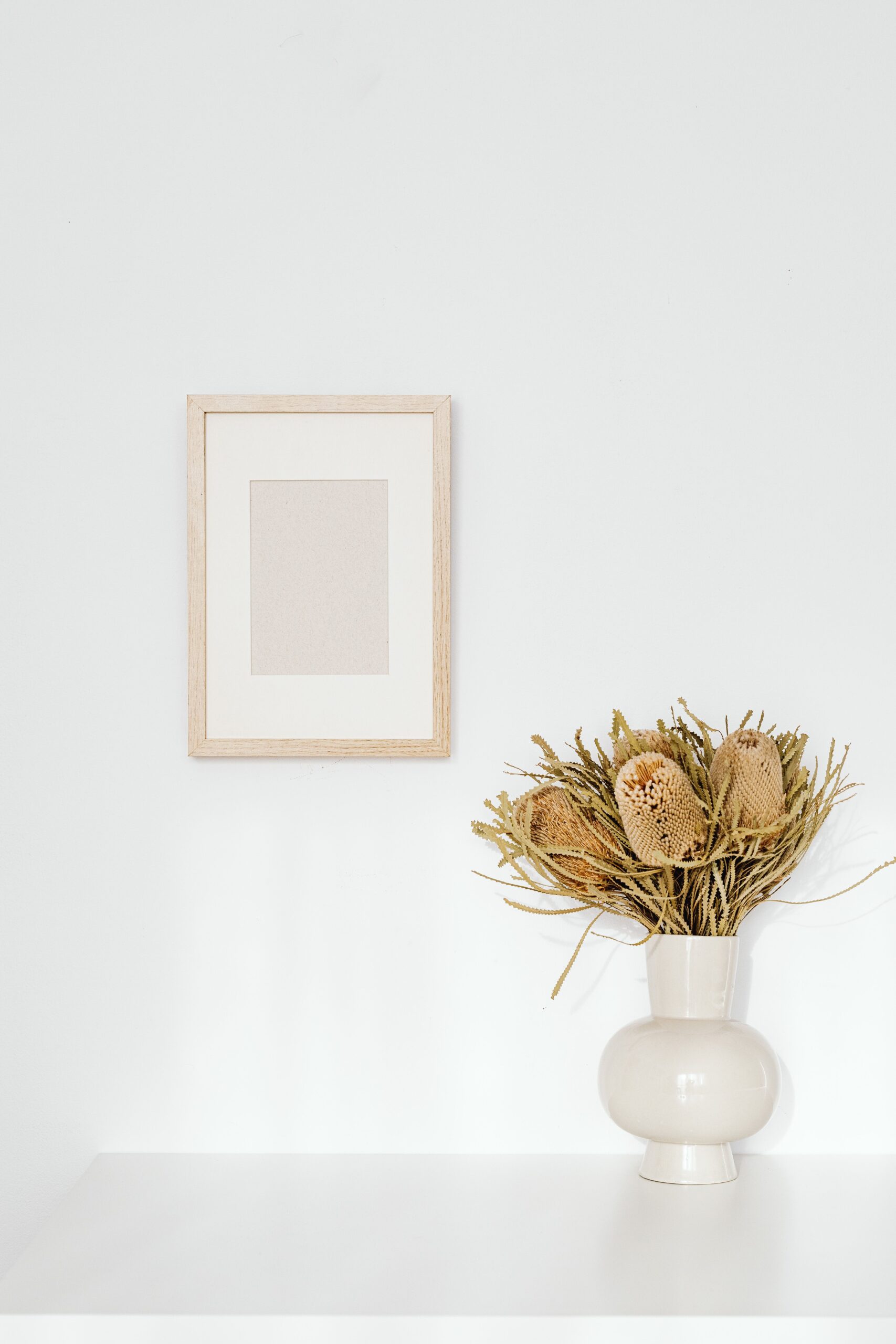
Picture framing is one of the oldest ways to protect an image, and the picture frame itself hasn’t changed all that much: a border of wood, a way to hold the glazing, and something to hang it with. A frame that’s too thin can get lost next to a bold photo, and one that’s too wide can overwhelm a small print. As a rough guide, a border of about 5 to 8 percent of the photo’s longest side tends to look balanced on a wall. Mat boards add extra breathing room around the image and are worth considering for anything hung at eye level, since they let both the photo and the wood around it stand out.
Glass or Acrylic Glazing
Most wooden frames come with either glass or acrylic glazing. Glass gives the clearest, most neutral view of a photo and resists scratching better over years of dusting. Acrylic is lighter and far less likely to shatter, which matters for larger frames or anything hanging above a bed or sofa. Anti-glare and UV-protective options exist in both materials, and they’re worth the small extra cost for a frame that sits in direct sunlight.
Mounting and Hanging Options
Check how a frame is meant to hang before it arrives, not after. Sawtooth hangers work fine for smaller, lighter frames, but anything larger benefits from a proper D-ring and wire setup, which spreads the weight more evenly and makes it easier to get level. Some frames also come with a small stand for tabletop use. If you like the idea of moving a frame between a shelf and a wall, look for one that offers both.
Price and Craftsmanship
Price differences between wooden photo frames usually come down to the wood species, the joinery at the corners, and the finish. A mitred corner, cut at an angle and joined cleanly, tends to look sharper and hold up longer than a simple butt joint. If you can, pick a frame up before buying and check that the corners sit flush and the wood feels solid rather than hollow. A well-made frame is one of the easier places to start if you’re just beginning to bring more real wood into your home, and our checklist for buying wooden home decor online covers a few more general things worth checking first.
A good wooden photo frame does more than hold a picture in place, it adds warmth to a wall the way only real wood can. Take your time with the wood, the finish, and the glazing, and you’ll end up with wooden photo frames that suit the photo now and still look right in ten years. For more ideas on bringing natural materials into your space, see our guide to natural wood home decor.