

Everything Wood

Woodworking and Crafting Techniques

Woodworking techniques cover the full range of hand and machine skills that turn raw timber into furniture, tools, and decorative objects. Every finished piece depends on choices made at the joinery, shaping, turning, and finishing stages.

Joinery: The Backbone of Woodworking

Joinery is often considered the most important of all woodworking techniques because it determines how strong a finished piece will be.

Mortise and Tenon

Prized in furniture framing for its strength under racking forces.

Dovetail

The standard choice for drawer boxes because it resists being pulled apart.

Finger Joint

Interlocking fingers distribute stress across a wide gluing surface.

In Depth +

Joinery: The Backbone of Woodworking

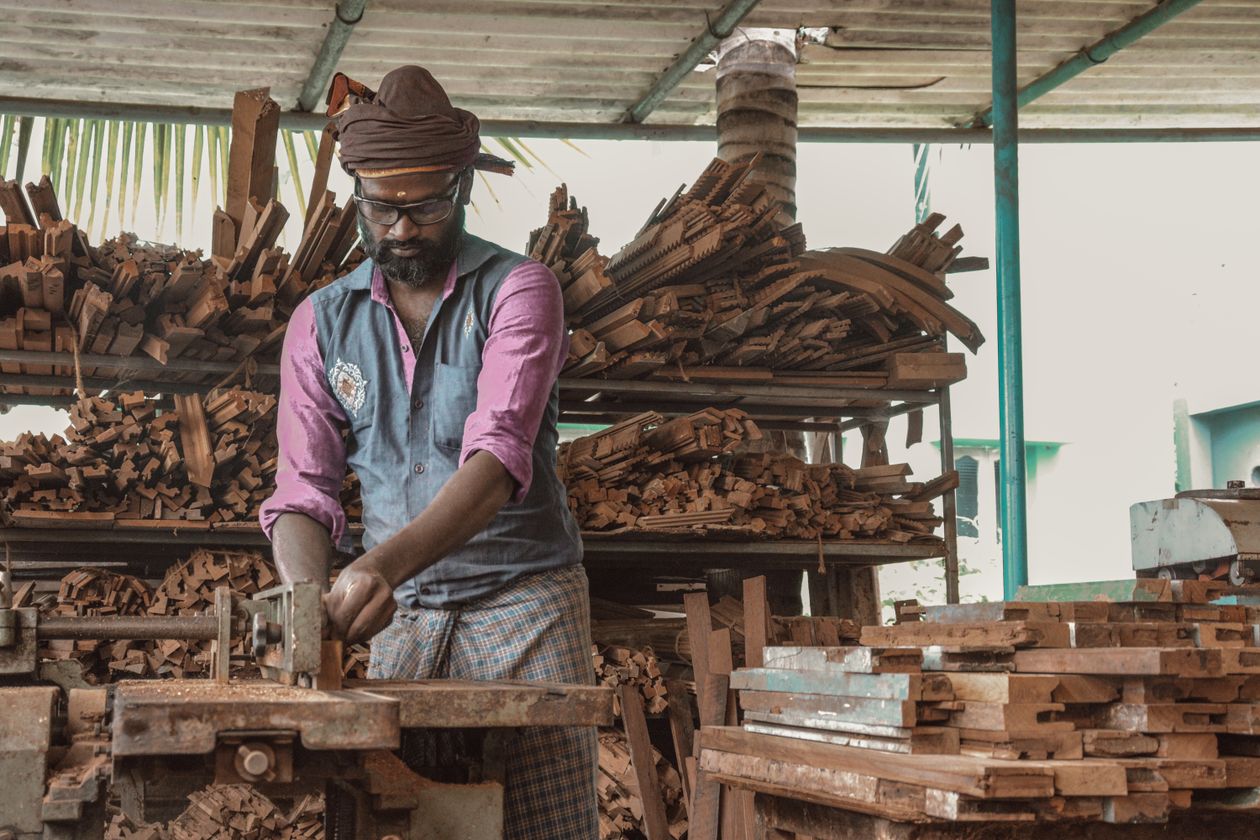
Close-up of a wood joinery technique in woodworking

Traditional joints such as the mortise and tenon, the dovetail, and the finger joint rely on interlocking wood shapes rather than fasteners, distributing stress across a wide gluing surface. Modern workshops often combine these traditional joints with dowels, biscuits, or pocket screws to speed up production without sacrificing too much strength, though purists still favor hand-cut joinery for its precision and longevity.

Hand Tools Versus Power Tools

A hand-cut dovetail and a router-cut dovetail can look nearly identical from across a room, but the process behind each differs enormously. Hand tools reward patience and offer total control over fit, while power tools like router jigs and dovetail templates trade a small amount of that control for consistency and speed, useful when a project calls for many identical joints rather than one carefully fitted piece. Most working woodshops use both, reserving hand tools for fine adjustments that a machine cannot easily replicate.

Carving and Turning

Carving and turning add texture, ornamentation, and symmetrical form that other techniques cannot replicate.

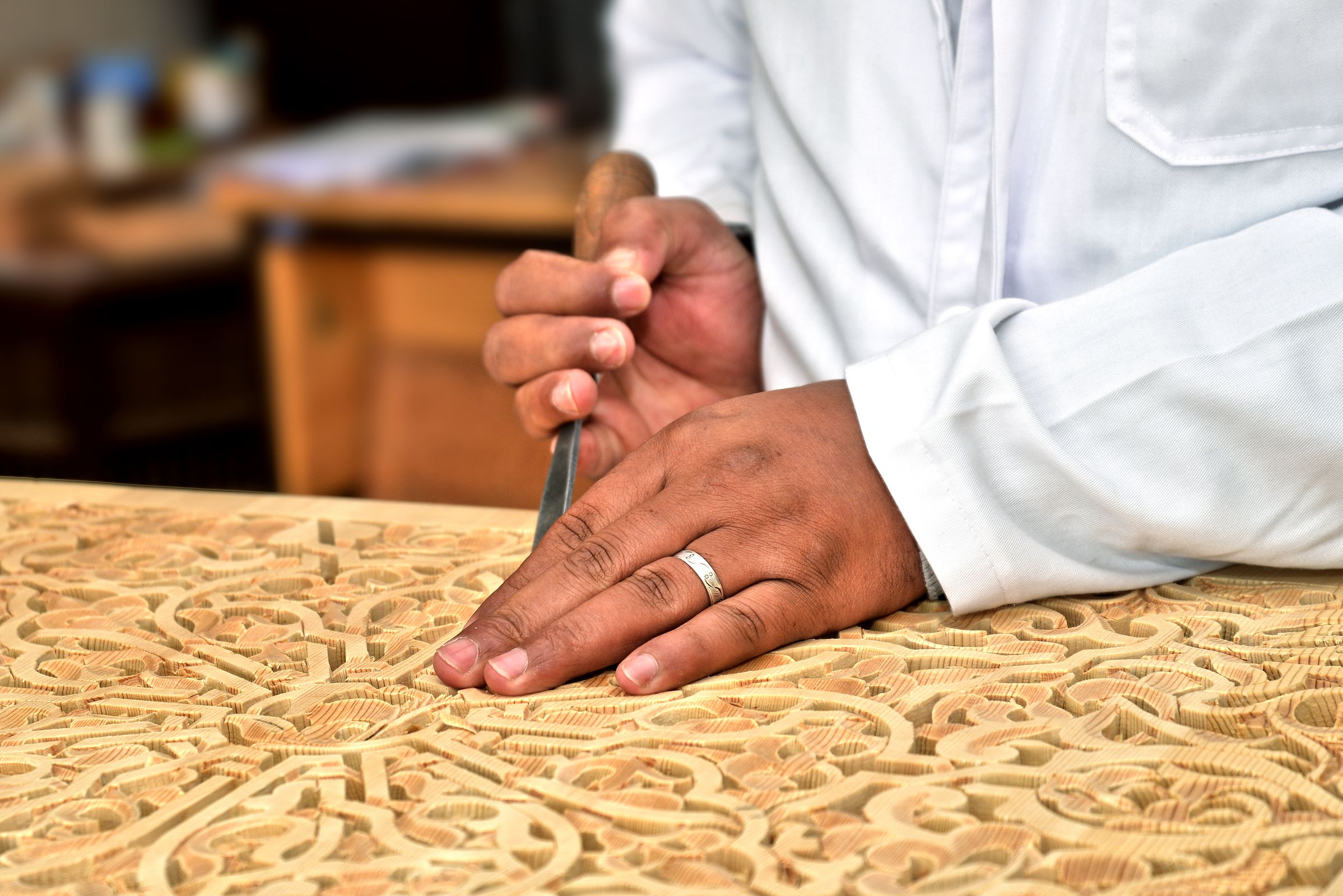
Craftsman hand-carving an intricate design into wood

Hand Carving

Gouges, chisels, and mallets remove material gradually, following the grain.

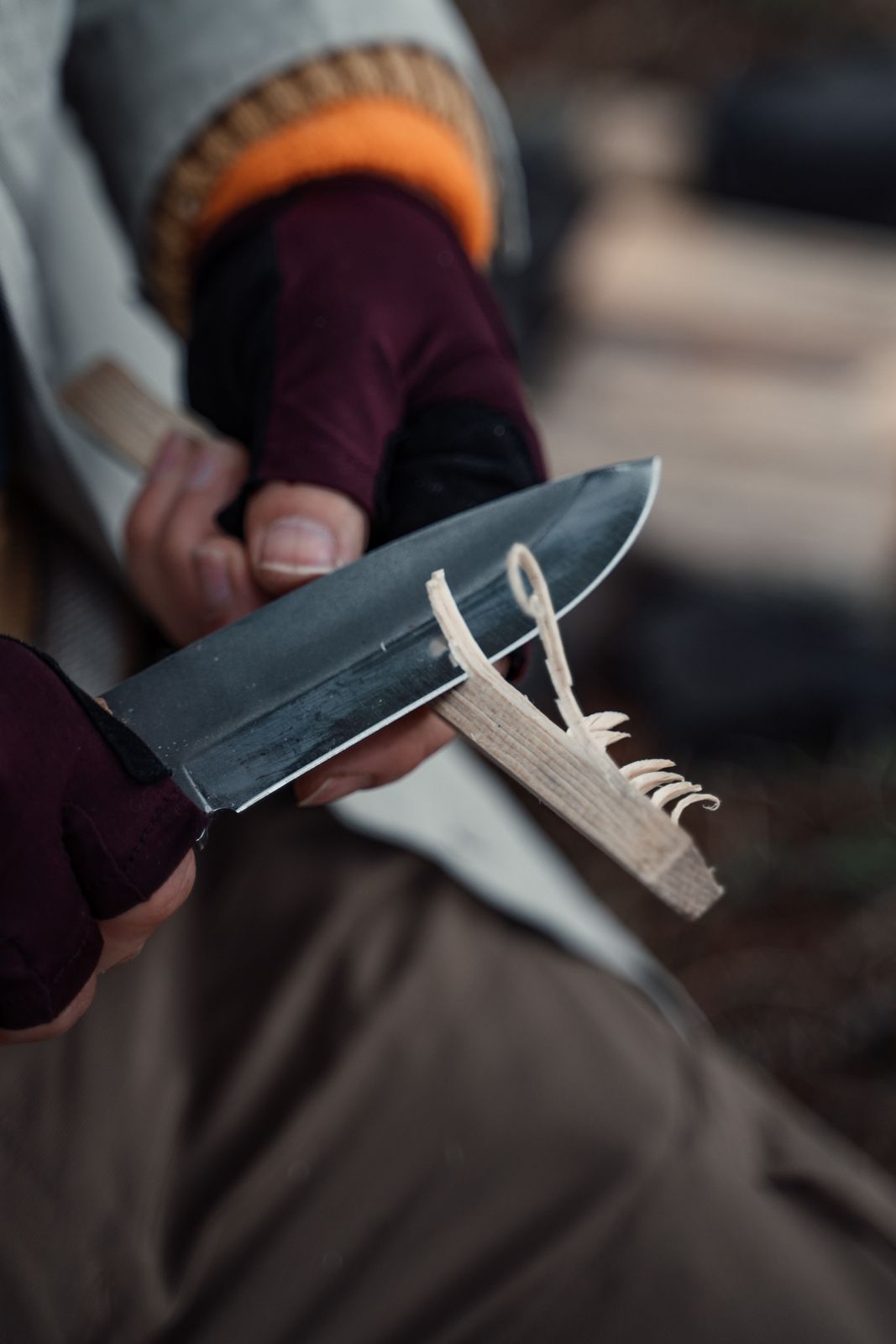
Person whittling a piece of wood with a small knife

Whittling

Needs only a sharp knife and a steady hand, an accessible entry point.

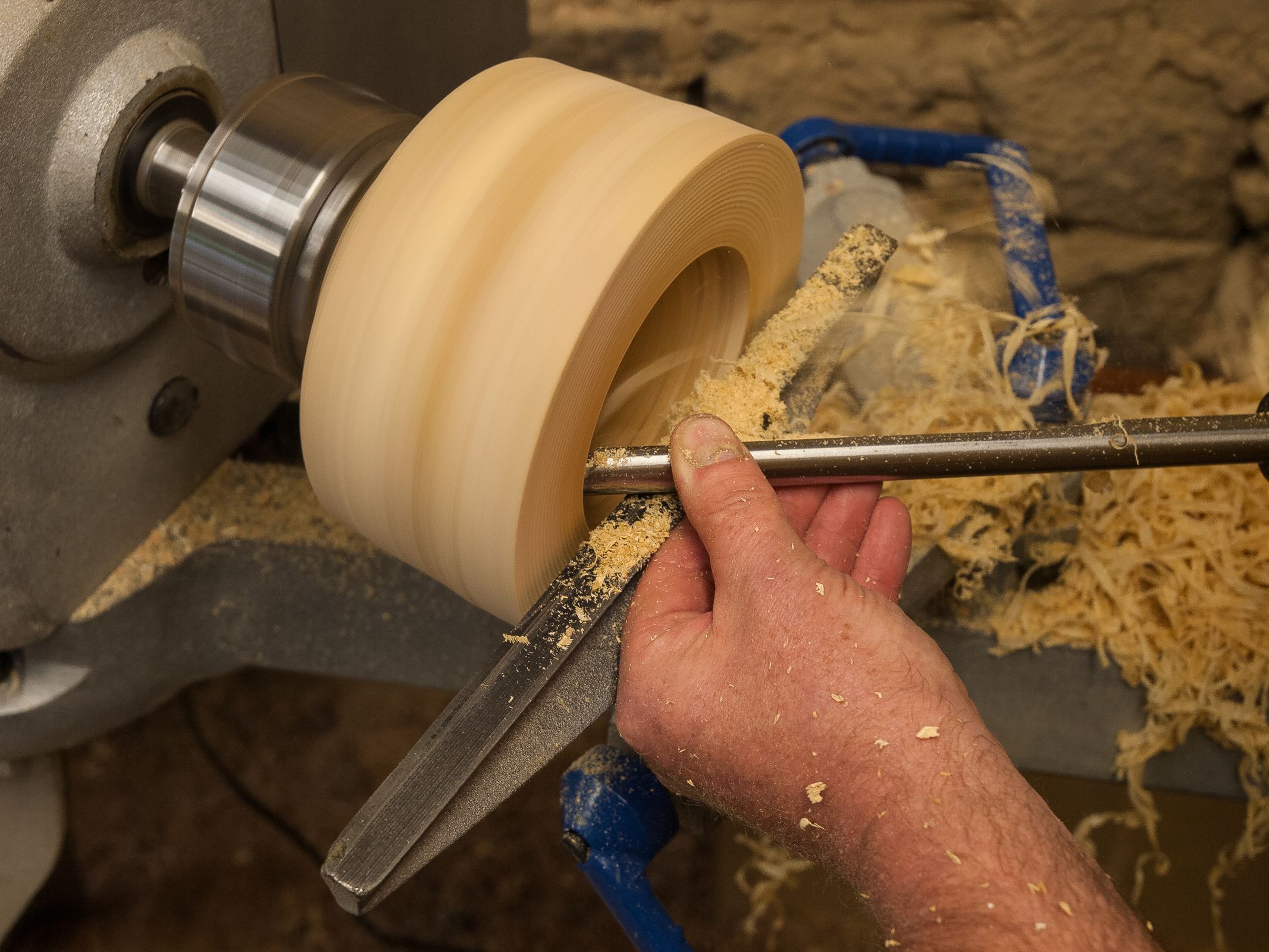
Craftsman shaping wood on a spinning lathe

Lathe Turning

A spinning block is shaped by a fixed cutting tool into a symmetrical form.

In Depth +

Carving and Shaping by Hand

Hand carving is one of the oldest woodworking techniques, used to add texture, ornamentation, and sculptural form that machines struggle to replicate. Relief carving keeps the design close to a flat background, while chip carving relies on small triangular cuts to create geometric patterns popular in folk art.

Turning on the Lathe

Spindle turning, used for chair legs, balusters, and pens, holds the wood between two centers so it rotates along its length. Faceplate turning mounts a wider blank at one end, which lets a turner shape bowls, plates, and other round vessels.

Finishing Techniques That Protect and Enhance

Choosing the right finish depends on how a piece will be used, since some options protect far more than others.

Protection Level

Wax
Oil
Varnish
In Depth +

Finishing Techniques That Protect and Enhance

Sanding through a series of increasingly fine grits removes tool marks and prepares the surface to accept a finish evenly. Oil finishes such as tung oil or Danish oil soak into the fibers for a natural low-sheen look, while varnishes and polyurethanes sit on top of the surface to form a harder, more water-resistant film. Wax offers a soft sheen and is easy to renew but provides the least protection of the common options.

Choosing Between Oil, Wax, and Lacquer

The right finish depends heavily on how a piece will be used. Kitchenware generally calls for a food-safe oil that penetrates rather than sits on the surface. A dining table that sees daily wear benefits from a harder film finish like lacquer or polyurethane, which resists scratches and spills far better than oil alone. Decorative pieces handled less often can get by with wax, valued more for its soft sheen and ease of touch-up than for heavy-duty protection.

For a closer look at how each option performs, is applied, and ages over time, see the full guide to wood finishing options.

Choosing Techniques Based on Species and Purpose

The best woodworking techniques for a given project depend heavily on the species being used, since density, grain pattern, and moisture behavior all affect how wood responds to cutting, carving, and finishing.

See Wood Species and Their Applications
In Depth +

Matching Technique to Material

Dense hardwoods hold crisp joinery and fine carved detail well but can dull tools quickly, while softer species turn and shape easily but may need extra care during finishing to avoid blotching. Choosing techniques that respect the wood’s natural characteristics produces stronger, longer-lasting results.