Not every room needs the same kind of wood. Choosing between oak, beech, or pine and matching the species to the room and how it will be used can save you money and disappointment down the line.
Table of Contents
Oak: Built for Daily Wear
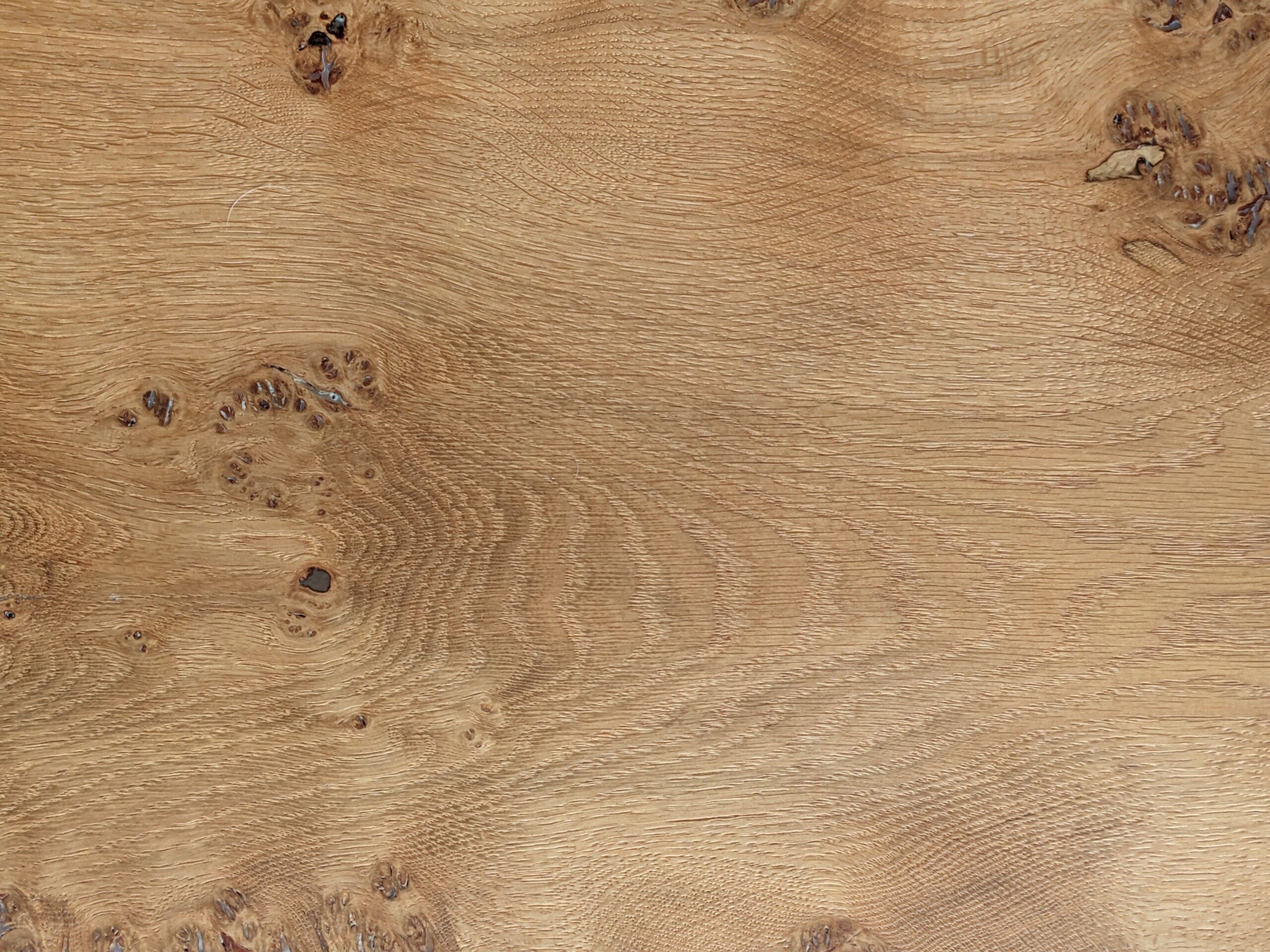
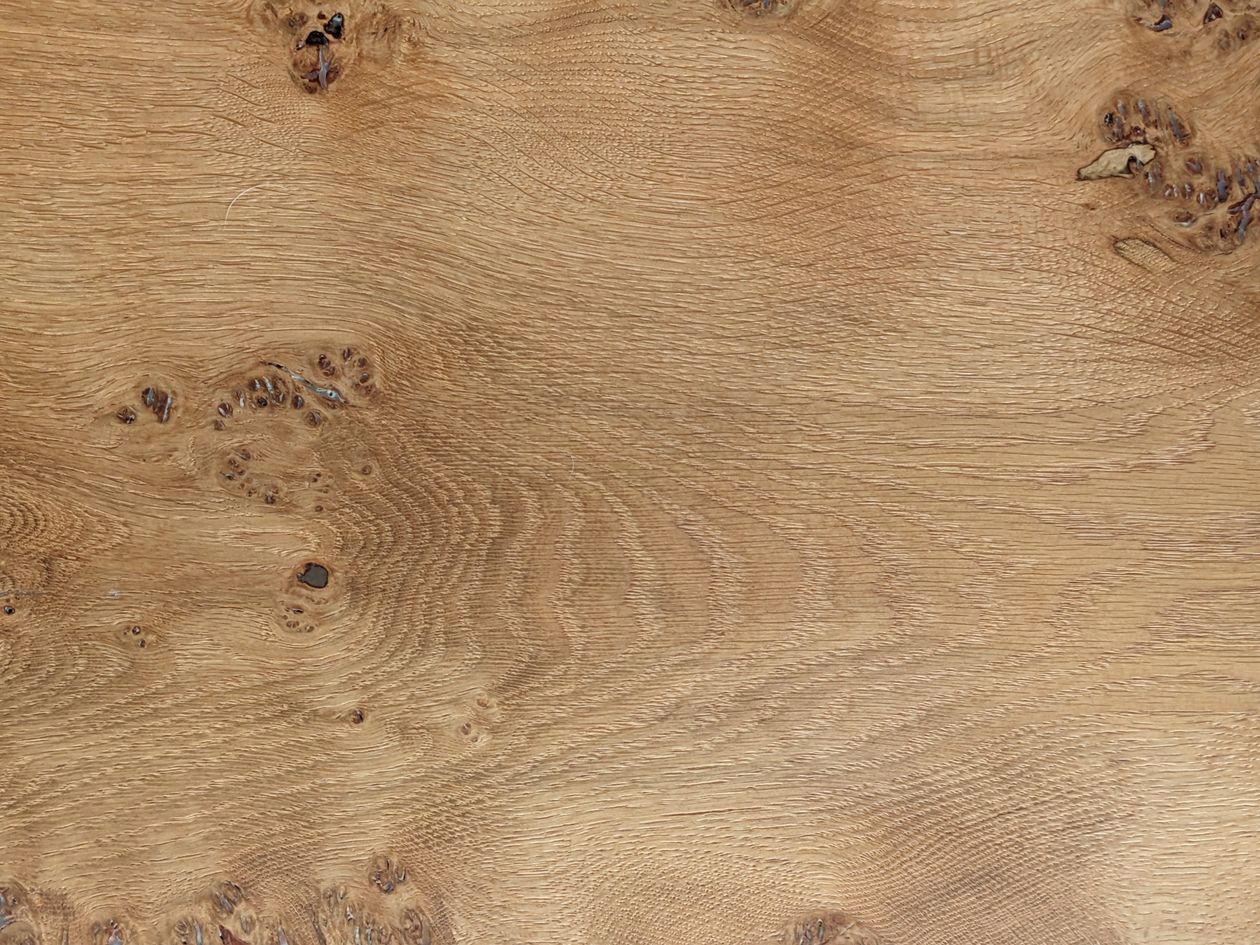
Oak’s hardness makes it an excellent choice for pieces that see constant use: dining tables, kitchen furniture, and flooring in high-traffic areas. It resists dents and scratches well, though it comes at a higher price point than softer woods.
Beech: A Versatile Middle Ground
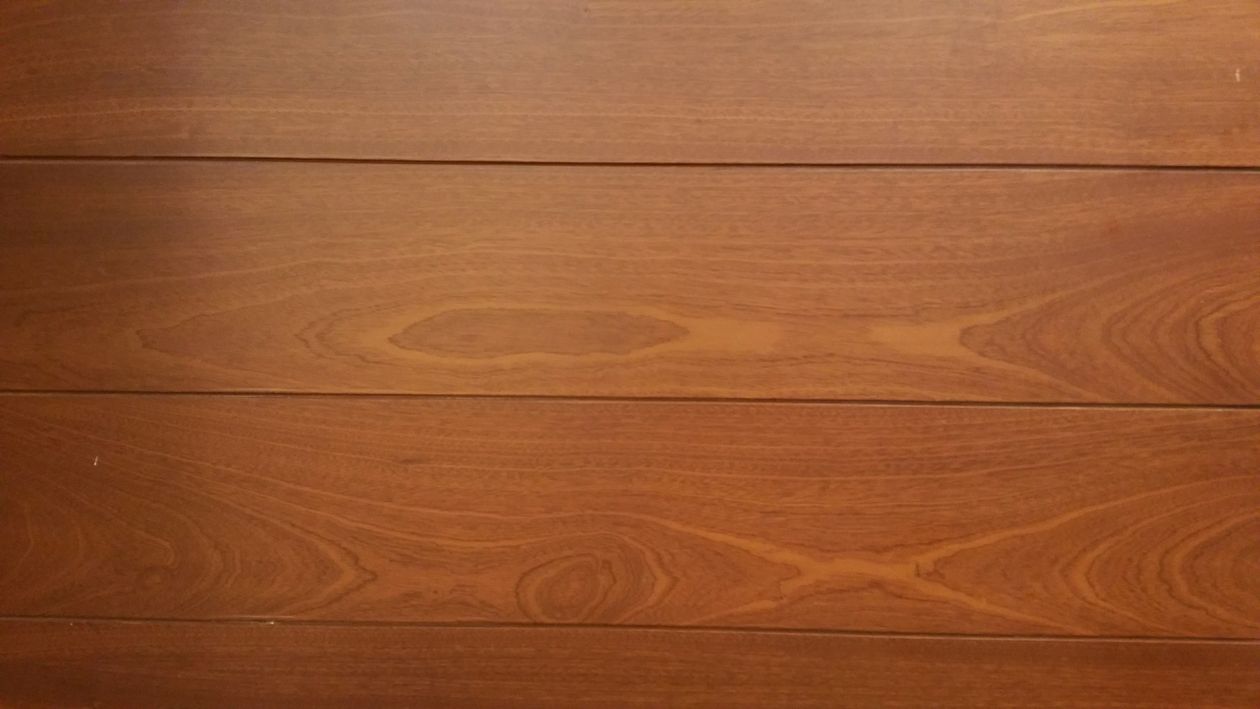
Beech is a hardwood with a fine, even grain and a pale, warm tone. It is commonly used for chairs and other furniture that needs to hold a shape well under stress, and it takes stain and finish evenly, making it a flexible choice across different styles. Of the three, beech often lands in the middle on both price and hardness, which is why it works so well as an everyday compromise.
Pine: Budget-Friendly and Characterful
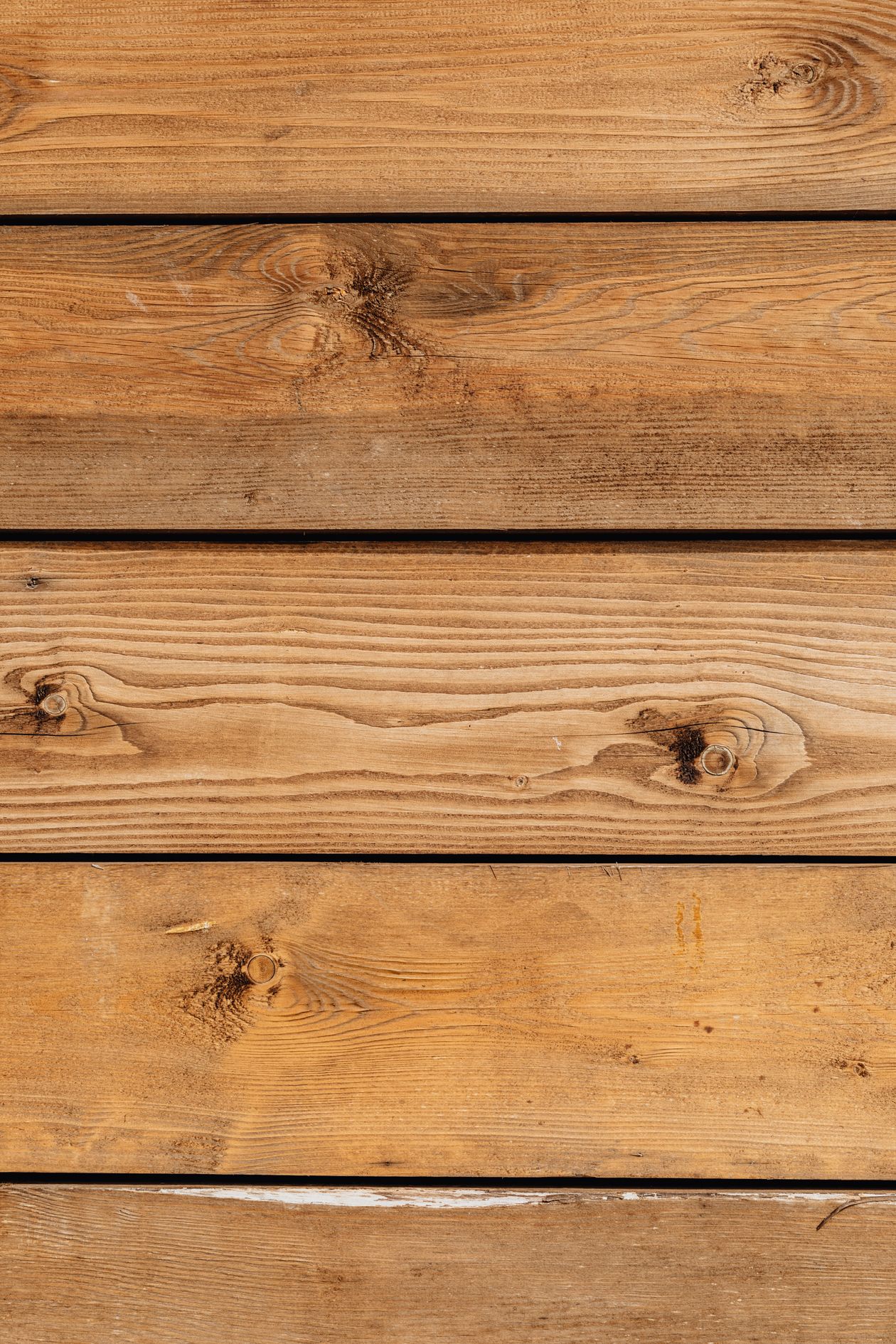
Pine is a softwood, which means it is more prone to dents and scratches than oak or beech, but it is also lighter, less expensive, and has a distinctive knotty character that suits rustic or casual interiors. It works well for lower-traffic pieces like bookshelves, bed frames, and decorative items.
Comparing Oak, Beech, or Pine at a Glance
Hardness is a useful shortcut when weighing oak, beech, or pine against each other. Oak and beech both rank as true hardwoods and hold up well to daily impact, while pine, a softwood, dents more easily but is far kinder on your budget. You can compare exact hardness ratings on the Janka hardness chart if you want the numbers behind the choice.
Matching Oak, Beech, or Pine to Each Room
For a dining room or kitchen, prioritize oak or beech for their durability. For a bedroom or a decorative accent in a living room, pine’s lighter cost and character can be a good fit. Our guide to wood species and their applications goes further into how different woods are used across the home.
There is no single best wood, only the best wood for the job at hand. Weighing oak, beech, or pine against both the room and how a piece will be used is the simplest way to make a choice you will not regret. See also our post on durable furniture wood for more long-lasting species.
Which is more durable, oak or beech?
Oak is generally slightly harder and more moisture-resistant than beech, which makes it a common choice for kitchens and dining areas, but beech is close behind and holds up well for chairs and everyday furniture.
Is pine a good choice for a dining table?
Pine can work for a casual, lower-budget dining table, but expect more dents and scratches over time than you would see with oak or beech. Many people choose pine for lower-traffic pieces instead.
How do oak, beech, and pine compare in price?
Oak typically costs the most due to its density and durability, beech sits in the middle, and pine is usually the most affordable of the three, which is part of why it remains popular for budget furniture.
Can pine furniture last as long as oak?
With careful use and proper finishing, pine furniture can last for many years, but it will not match the sheer durability of oak in high-traffic settings. Pine simply requires more gentle handling over its lifetime.