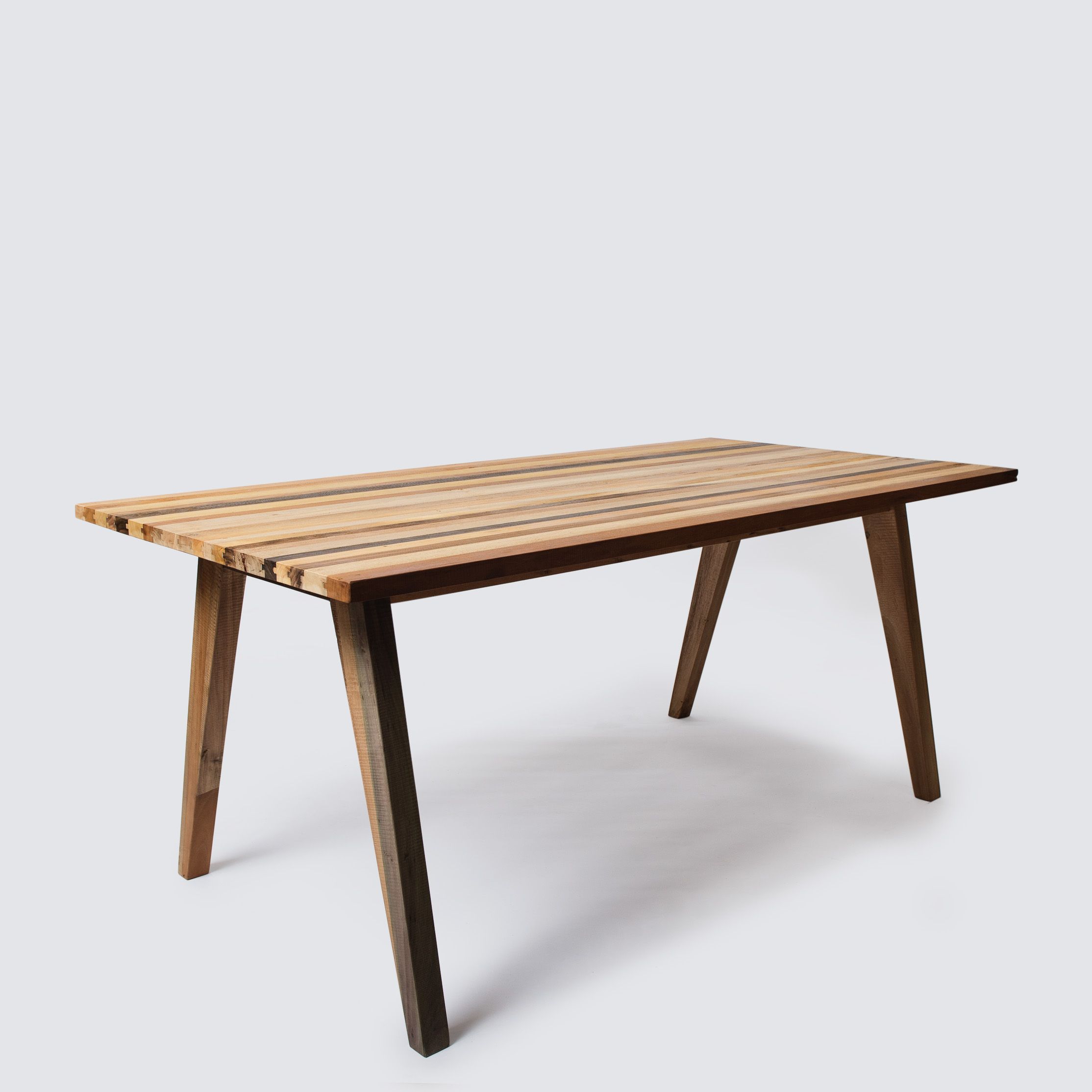
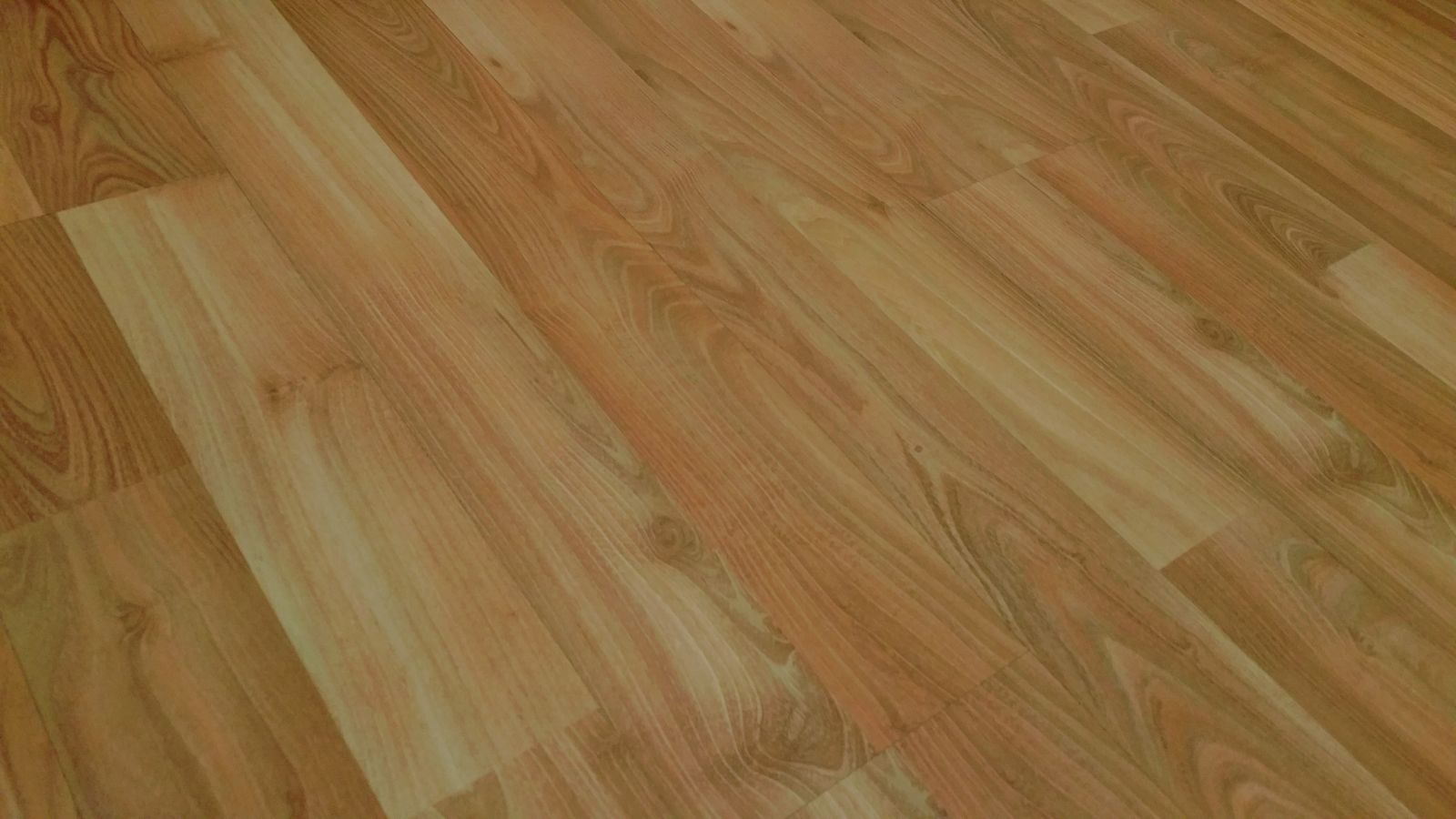
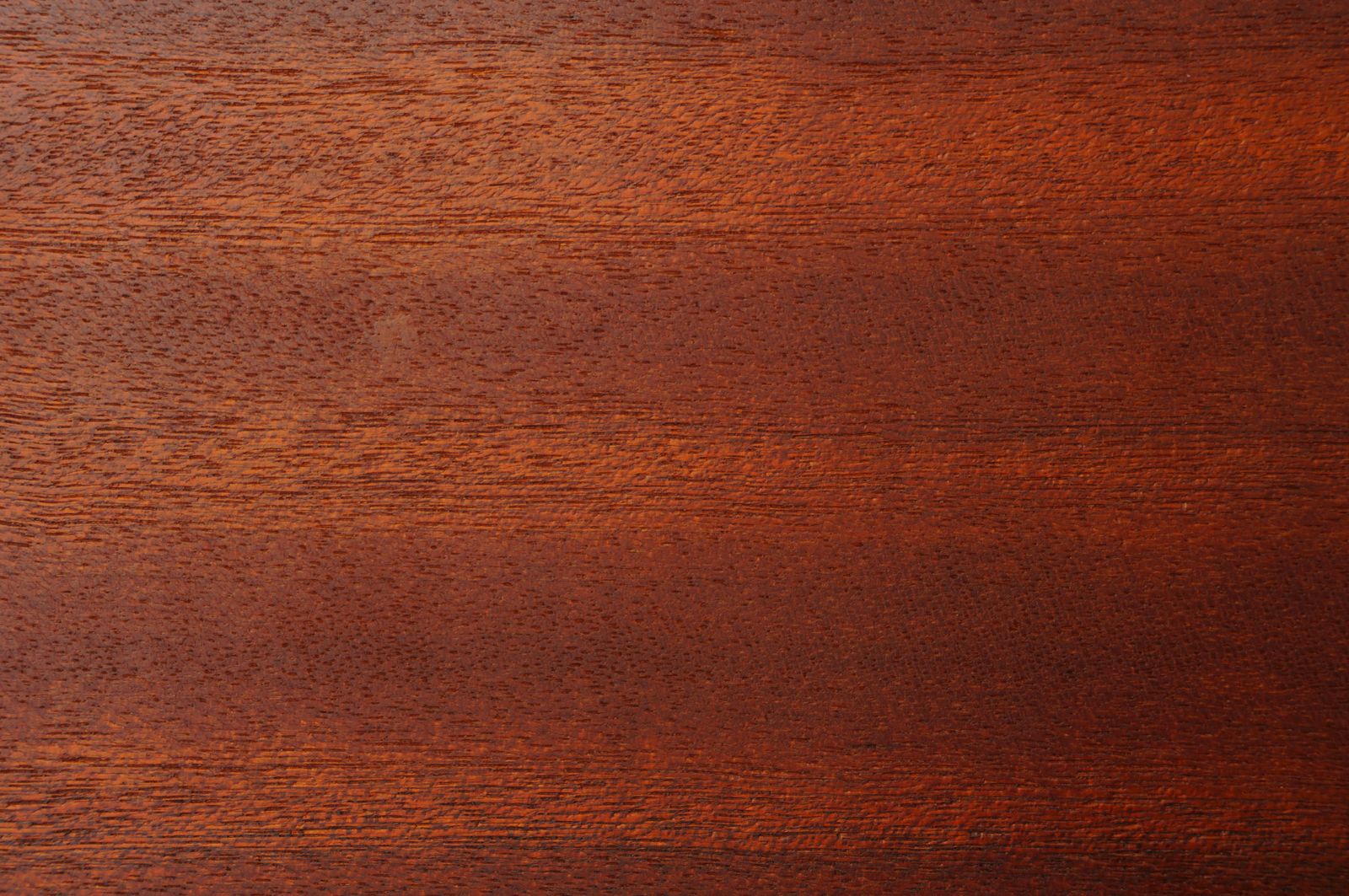
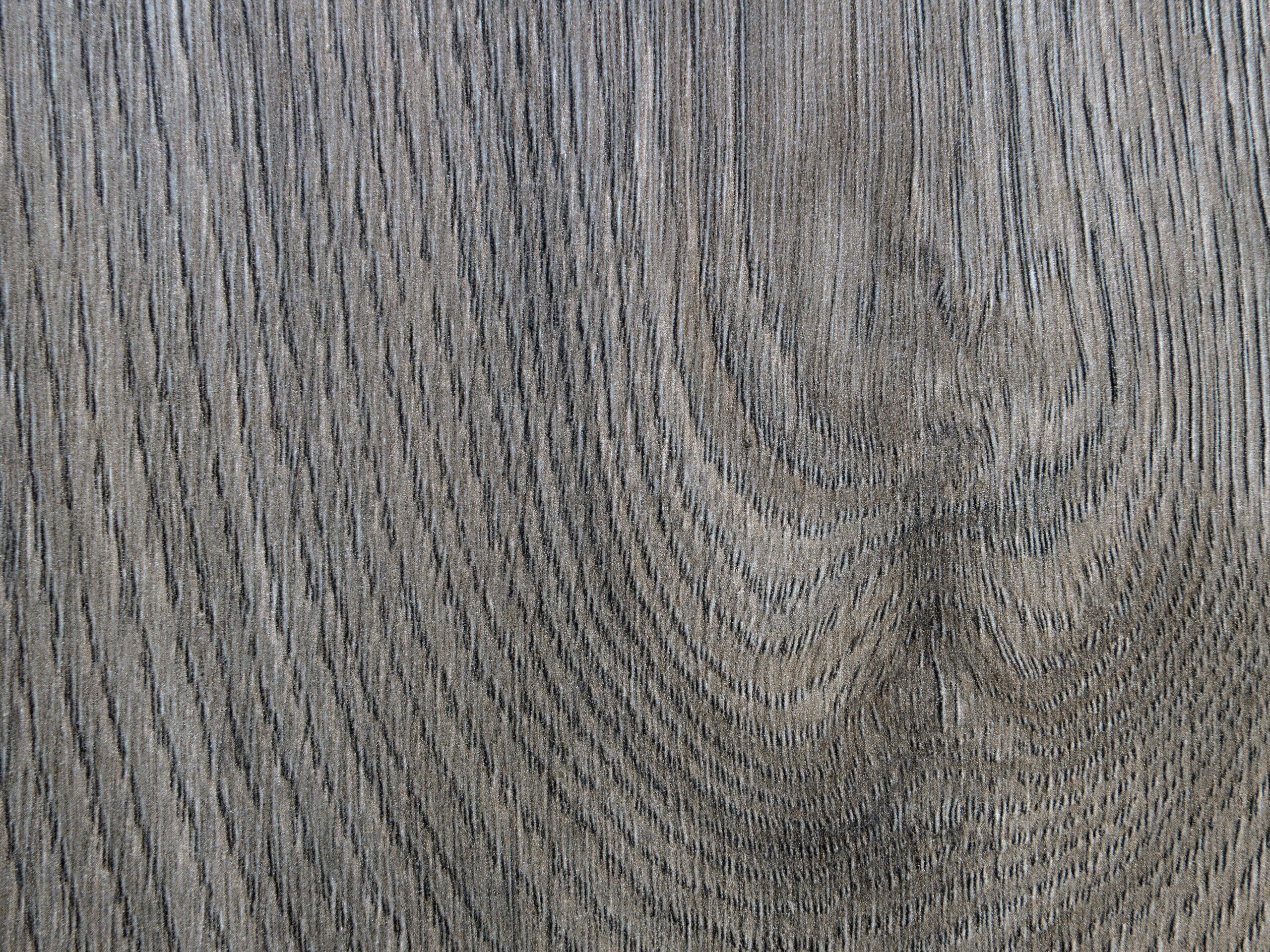
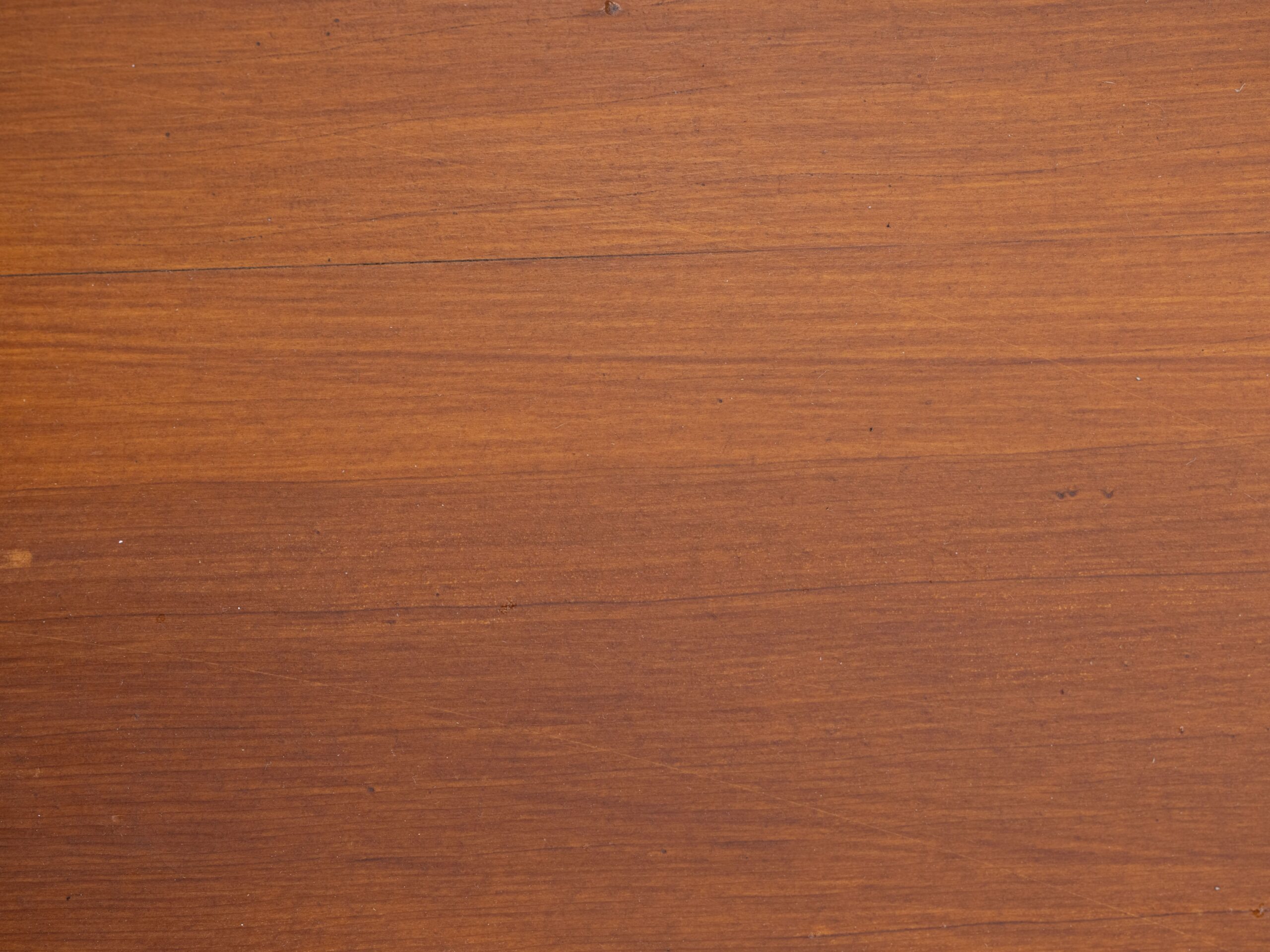
A piece of furniture is only as good as the wood underneath the finish. Some species are built to survive decades of pulled-out chairs, spilled coffee and moving trucks; others simply aren’t. If you’re furnishing a home you plan to stay in for a while, it pays to know which timber actually holds up. Here are seven types of durable furniture wood worth looking for.
What Makes Durable Furniture Wood a Good Choice?
What separates a genuinely durable furniture wood from one that falls apart in five years usually comes down to density and grain structure. Hard, tightly grained species resist the dents, scratches and structural give that wear furniture out, so paying attention to species early on can save you from replacing the same piece twice.
Oak: The Timeless Classic
- Scratch and dent resistant
- Daily-use furniture staple
- Ages beautifully over time
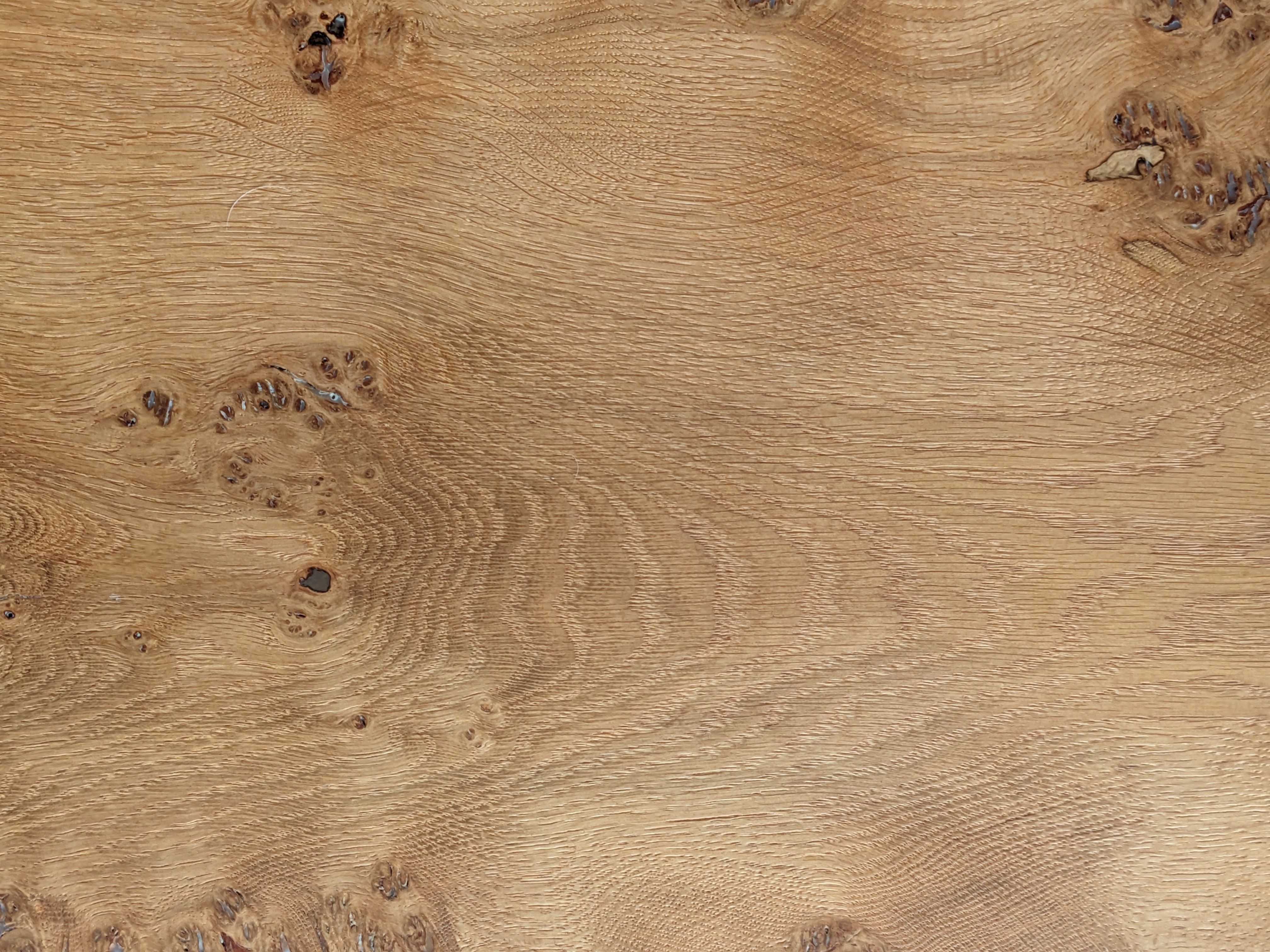
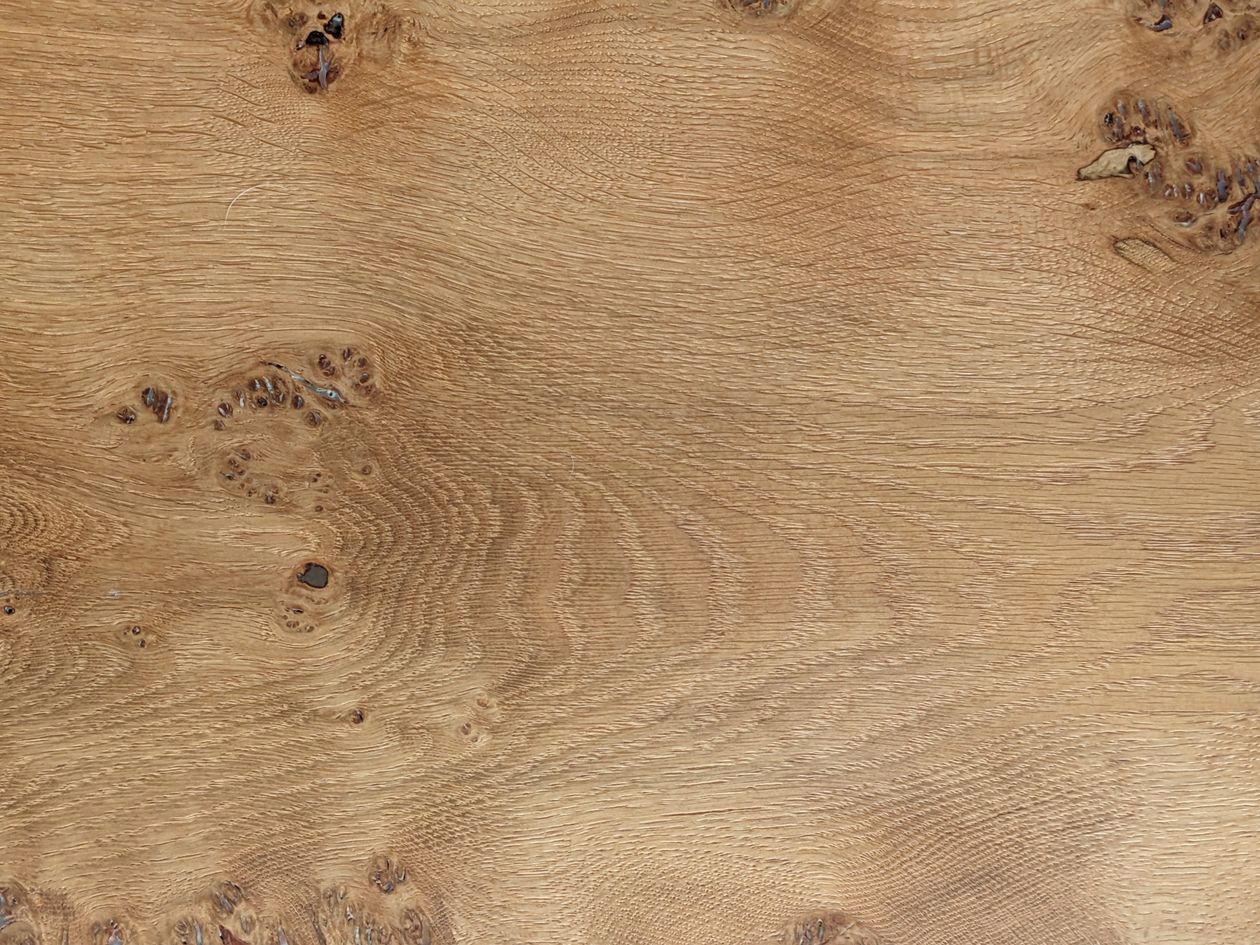
Oak has been a favorite among furniture makers for centuries, and it’s easy to see why. Its dense grain resists scratches and dents, making it ideal for tables, chairs, and cabinets that see daily use. A well-made oak piece can easily be passed down through generations without losing its structural integrity.
Walnut: Rich Color, Remarkable Strength
- Deep chocolate-brown grain
- Premium statement pieces
- Naturally shock-resistant
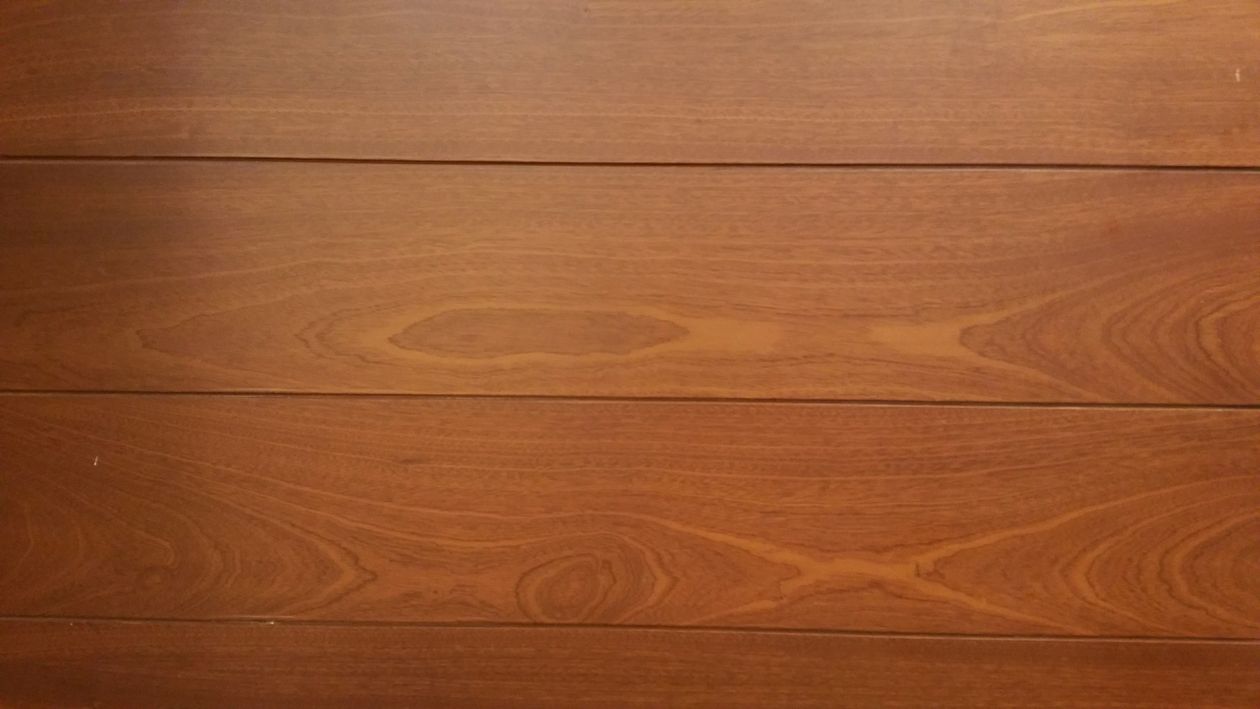
Few woods rival walnut for its deep, chocolate-brown tone and fine grain. It’s a favorite for statement pieces like dining tables and sideboards, prized as much for its strength as its looks. Properly finished walnut furniture can hold up to decades of use while its color only deepens with age.
Maple: Hard-Wearing and Reliable
- Extremely hard and shock-resistant
- Kitchen and dresser favorite
- Light, easily stained color
Maple is one of the most durable furniture wood choices available, prized for its hardness and shock resistance. That toughness makes it a natural fit for dressers, kitchen furniture, and other pieces that get moved, bumped, and used every day. Its light, even color takes stain well, giving it a clean, versatile look that suits both traditional and contemporary interiors.
Hickory: One of the Toughest Domestic Hardwoods
- Hardest domestic hardwood
- Built for heavy daily use
- Bold, high-contrast grain
Hickory is famous among woodworkers for topping the Janka hardness scale among domestic species, which is why it was traditionally used for axe handles and tool grips. That same shock resistance makes it an excellent choice for dining chairs, benches, and other pieces that take a beating over the years, all while showing off a bold, high-contrast grain.
Mahogany: Dense, Stable, and Built to Last
- Rot and insect resistant
- Dimensionally stable
- Heirloom-quality classic
Mahogany has furnished fine homes for centuries, and its reputation for longevity is well earned. Its natural resistance to rot and insects, combined with excellent dimensional stability, means mahogany furniture resists the warping and cracking that can shorten the life of lesser woods. It’s a go-to choice for furniture meant to become a family heirloom.
Acacia: Durable and Naturally Water-Resistant
- Naturally moisture-resistant
- Indoor-outdoor versatility
- Unique grain, every time
Acacia wood is prized for its natural resistance to moisture, making it a great choice for kitchen furniture and outdoor pieces alike. Its warm tones and distinctive grain patterns also mean every piece looks slightly different, so no two items are ever quite the same.
Teak: Premium Water Resistance for Outdoor Furniture
- Untreated weather resistance
- Outdoor furniture favorite
- Ages into a silvery patina
Teak sits at the top of the list for durable furniture wood, valued for natural oils that resist moisture, insects, and decay without any added treatment. That makes it one of the best choices for outdoor furniture, from garden benches to patio tables, since it can handle years of sun and rain while developing an attractive silvery patina rather than breaking down.
Choosing the Right Wood for Your Home
No wood is indestructible, but some get a lot closer than others. Match the hardness and moisture resistance of a species to where the piece will actually live, a hallway console sees very different wear than a patio table, and you’ll end up with furniture that earns its keep for decades. We’ll be sharing more in-depth guides on caring for each of these wood types soon, so check back on the blog often.
Not sure which of these fits your space? Our guides on choosing wood by room and use and the buyer’s checklist for solid wood furniture can help you narrow it down, and our full wood species and applications guide covers even more options. If low environmental impact matters just as much as longevity, take a look at our companion guide to sustainable furniture wood.