Furniture shopping usually starts with looks and price, but the wood itself carries an environmental cost that’s easy to overlook. Some species take a century to mature, others regrow in a handful of years, and a few are pulled from timber that would otherwise be burned or landfilled. If a lower footprint matters to you as much as good design, here are seven types of sustainable furniture wood worth having on your radar.
What Makes Sustainable Furniture Wood a Good Choice?
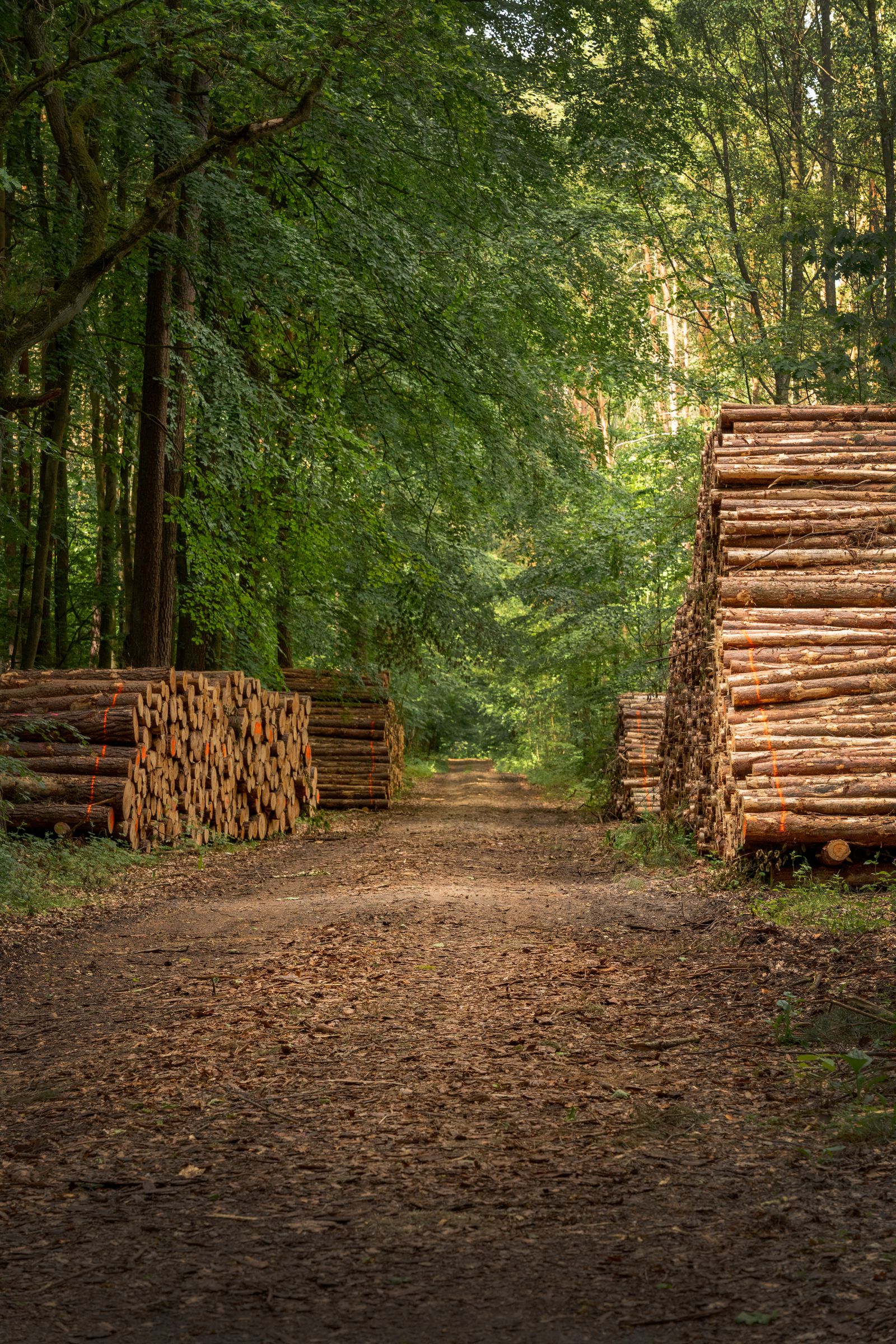
What makes a sustainable furniture wood isn’t one single trait, it can be a fast growth cycle, a second life as reclaimed material, or third-party certification on how the forest was managed. None of that has much to do with how hard or scratch-resistant the timber is, which is exactly why it’s worth weighing separately from durability.
Reclaimed Pine: Giving Old Wood New Life
- Salvaged, not freshly felled
- Visible nail holes and patina
- Zero new trees cut
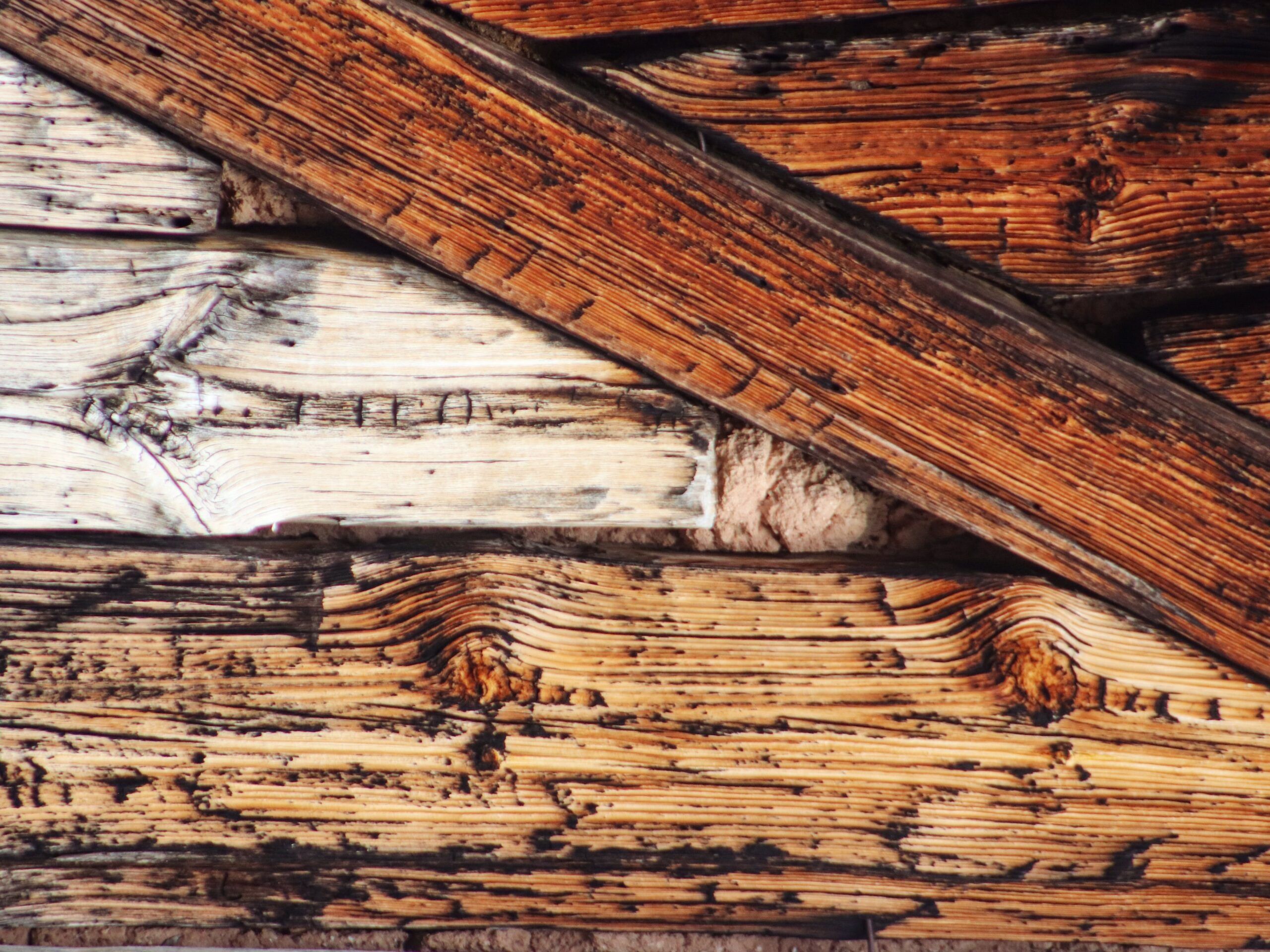
Reclaimed pine comes from barns, factories, and old buildings rather than freshly felled trees, making it one of the most eco-friendly materials available. Each board carries its own history, visible in nail holes, weathering, and warm patina, giving furniture a character that new wood simply can’t replicate.
Bamboo: Fast-Growing and Surprisingly Strong
- Technically a fast-growing grass
- Regrows without replanting
- Great for shelving and flooring
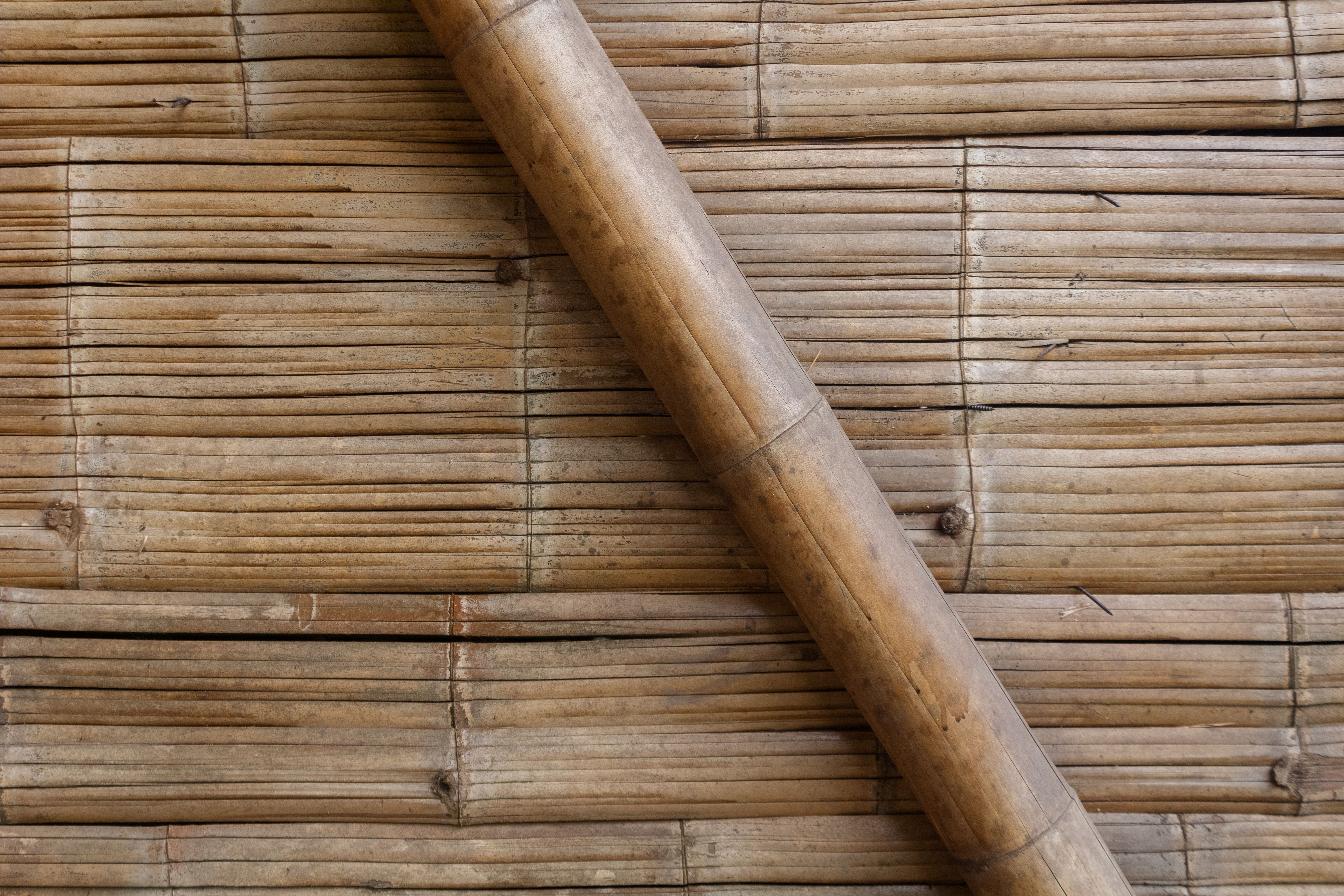
Technically a grass rather than a tree, bamboo reaches full maturity in just a few years, far faster than traditional hardwoods, and regrows from its own root system without needing to be replanted. That rapid renewability is what makes bamboo such a low-impact sustainable furniture wood choice for shelving, flooring, and smaller furniture pieces.
Poplar: A Fast-Growing, Low-Input Hardwood
- Fast-growing hardwood
- Low water, low input
- Paint-friendly finish
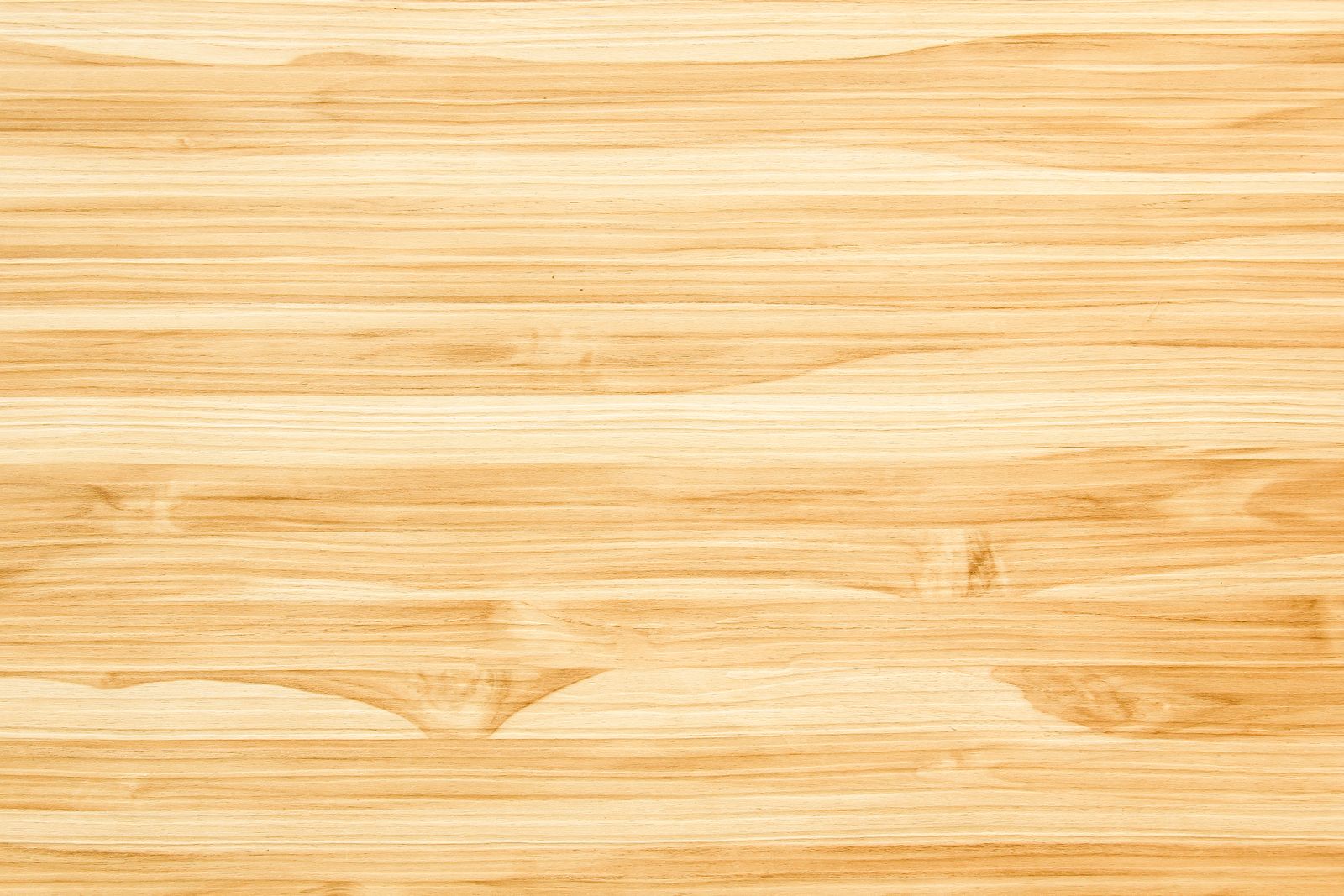
Poplar grows quickly and straight, reaching a harvestable size in a fraction of the time slower hardwoods like oak or walnut need. That fast growth cycle makes it easier to source responsibly and keeps pressure off old-growth forests. It’s less often left on show, but it’s a workhorse choice for furniture frames, drawer boxes, and painted pieces.
Rubberwood: Turning a Waste Product Into Furniture
- A latex byproduct
- No extra trees felled
- Takes stain and paint well
Rubberwood, sometimes sold as parawood, comes from rubber trees that have already spent 25-30 years producing latex. Once a tree stops yielding sap, it’s typically felled and burned, so using the timber for furniture instead turns what used to be waste into a useful material without requiring a single additional tree to be cut down.
Douglas Fir: Fast-Growing and Widely Certified
- Fast-growing softwood
- Widely FSC-certified
- Strong for its weight
Douglas fir grows quickly compared to slow hardwoods, and it’s one of the most widely FSC-certified softwoods on the market, so it’s easy to trace back to a responsibly managed forest. It won’t have the dramatic grain of walnut or teak, but its strength-to-weight ratio makes it a smart, low-impact choice for shelving, frames, and everyday furniture.
Oak: A Sustainable Classic When Responsibly Sourced
- FSC-certifiable
- Long lifespan, fewer replacements
- Supports forest biodiversity
Oak isn’t a fast-growing species, so its sustainability comes down to how it’s harvested rather than how quickly it regrows. Look for FSC certification to confirm the timber came from a forest that’s managed responsibly, with new trees replanted and biodiversity protected. Because oak furniture lasts so long, buying one well-sourced piece also means avoiding the environmental cost of replacing cheaper furniture every few years.
Teak: Renewable When Plantation-Grown
- Plantation-grown and renewable
- Naturally decay-resistant
- Replanted on rotation
Teak has a reputation as a premium wood, but its sustainability depends heavily on its source. Old-growth teak logging has driven deforestation in parts of Southeast Asia, while plantation-grown teak is cultivated specifically for harvest and replanted on a rotating cycle. Choosing plantation-grown, certified teak gets you the same natural decay resistance without the same environmental cost.
Choosing the Right Wood for Your Home
There’s no single greenest option here, sustainable furniture wood depends on how fast a species regrows, how responsibly it was harvested, and what would have happened to the timber otherwise. Look for certifications like FSC (Forest Stewardship Council) whenever you’re buying solid wood furniture; it’s one of the clearest signals the timber was managed responsibly. We’ll be sharing more in-depth guides on caring for each of these wood types soon, so check back on the blog often.
Need help picking a species for a specific room, or making sure a piece is actually well made? Check out our guides on choosing wood by room and use and the buyer’s checklist for solid wood furniture, or browse the complete wood species and applications guide. And if physical longevity is your top priority, our companion guide to durable furniture wood breaks down the toughest options. If you’d like to read more, check out our article “Sustainably Sourced Wood Furniture: 7 Proven Signs to Check”.