There’s a name for the feeling of a calm, grounded home: biophilic design, the practice of shaping a space around natural materials, light, and greenery. It isn’t about a complete lifestyle overhaul. It’s often the small, everyday choices, the materials you surround yourself with, the light you let in, the habits you repeat, that make the biggest difference. Here are a few simple, approachable ways to invite more of it into your own space.
You don’t need a full renovation to benefit. Small, deliberate changes add up faster than you’d expect, and that’s exactly what the ideas below focus on.
Table of Contents
The Benefits of Biophilic Design
Biophilic design isn’t just an aesthetic preference. Resources like Terrapin Bright Green’s 14 Patterns of Biophilic Design link exposure to natural materials, light, and greenery with lower stress, better focus, and improved indoor air quality. Even brief visual contact with a plant or a view of daylight has been shown to measurably shift mood and attention. None of that requires a full renovation, small, consistent choices are enough to notice a difference.
Choose Natural Materials Where You Can
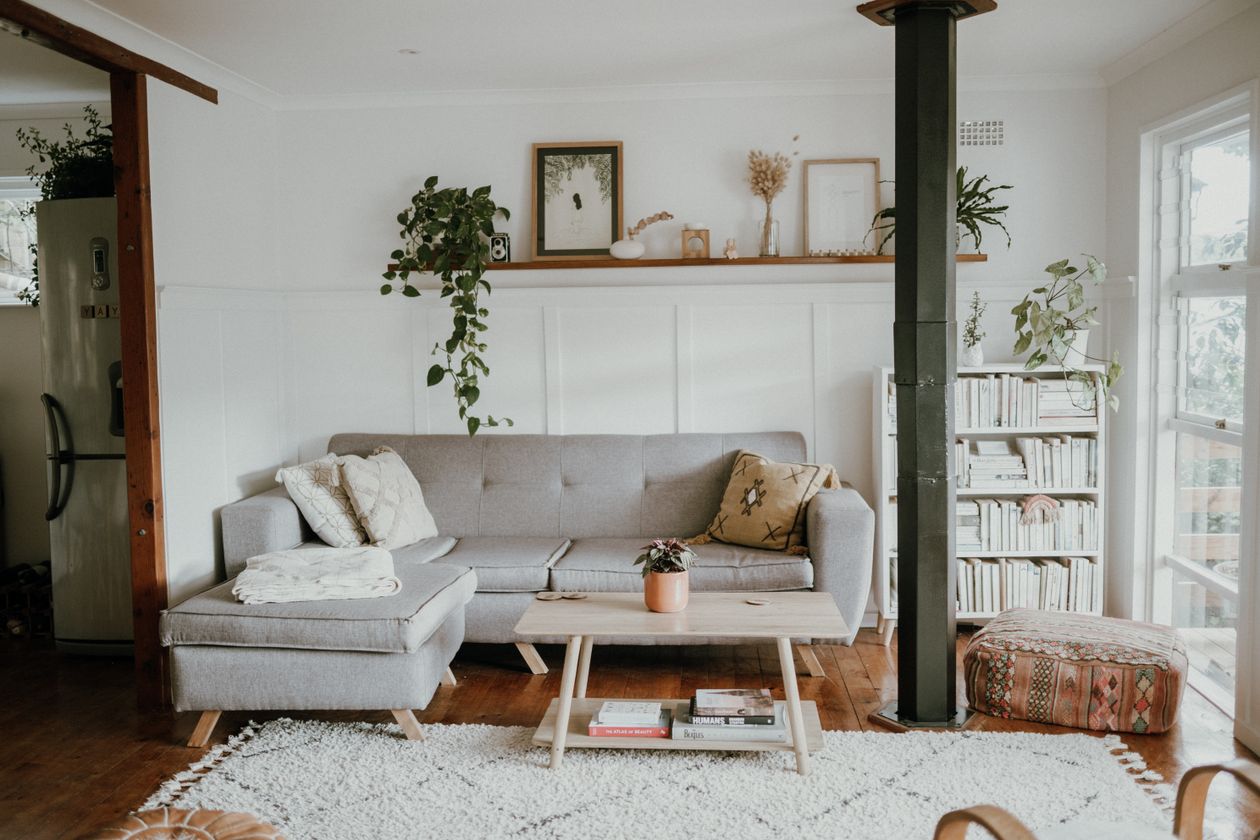
Solid wood, linen, wool, and clay all age beautifully and tend to carry far less hidden plastic and chemical processing than many synthetic alternatives. Swapping even one or two everyday items for natural versions, a cutting board, a woven basket, a wooden lamp base, can shift the whole feel of a room. A solid wood side table or a linen throw are easy starting points if a full furniture swap isn’t in the cards yet.
If you’re shopping for a bigger piece, like a table or sideboard, our buyer’s checklist for solid wood furniture covers what to look for.
Let in Natural Light
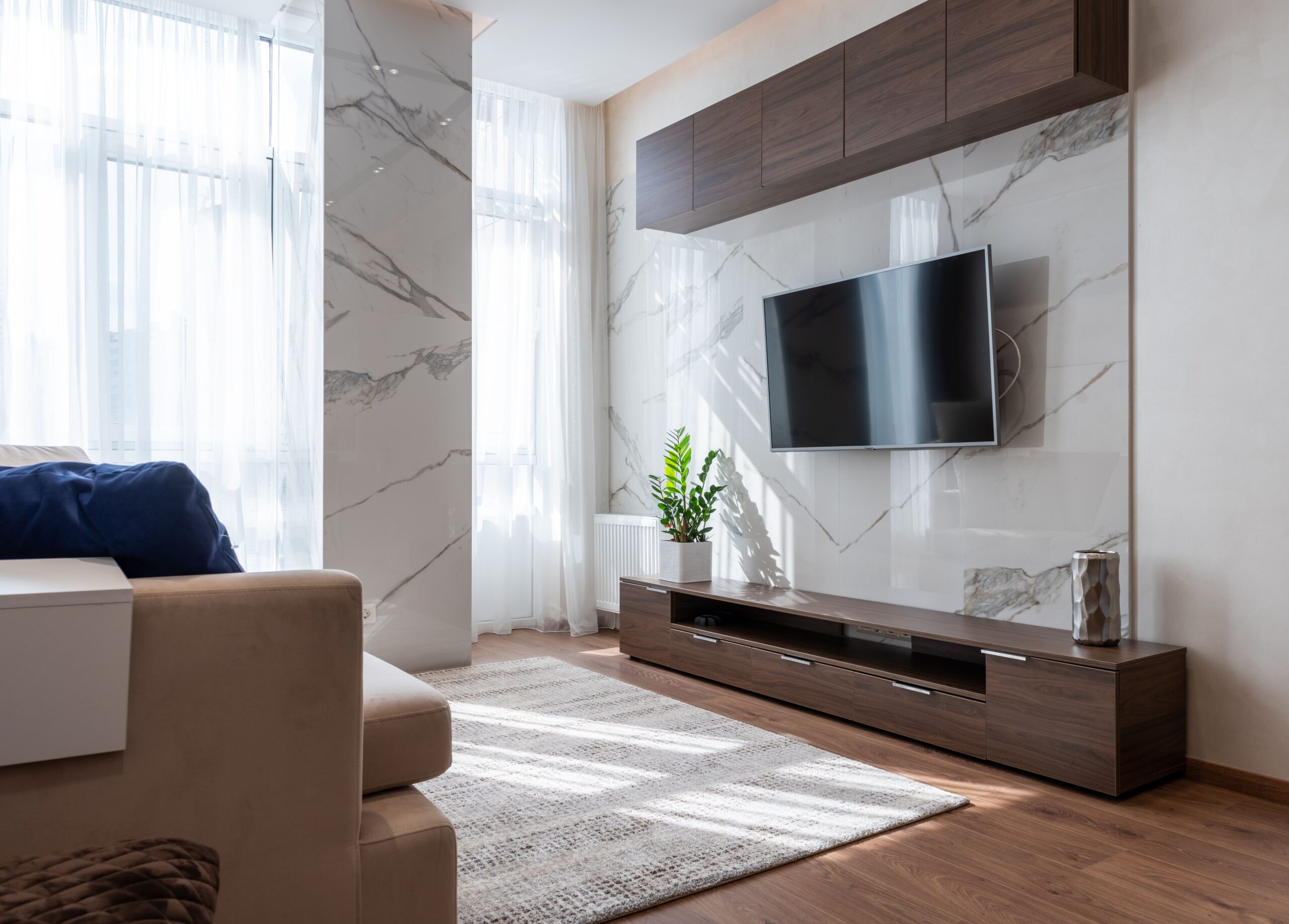
Daylight does more than brighten a room, it also affects mood and sleep. Where privacy allows, try pulling back heavy curtains during the day, moving furniture away from windows, and using mirrors to bounce light deeper into darker corners. Even swapping heavy blackout curtains for a sheer, lighter fabric during the day can make a noticeable difference without sacrificing privacy at night.
Add a Little Greenery
Even low-maintenance plants like pothos or snake plants can soften a room and reconnect a space with the outdoors. Both tolerate low light and irregular watering, which makes them a forgiving place to start if you don’t consider yourself a plant person. You don’t need a jungle, a single well-placed plant on a wooden shelf or windowsill is often enough to change the atmosphere of a room.
Choose Non-Toxic Finishes and Cleaners
Many conventional furniture finishes and household cleaners release compounds that linger in indoor air. Looking for natural oils, waxes, and simple, ingredient-transparent cleaning products is a small change that can meaningfully improve indoor air quality over time. Checking a product’s ingredient list for solvents and synthetic fragrance is usually enough to spot the worst offenders. For wood specifically, see our guide on choosing between oiling and waxing.
Slow Down Your Morning Routine
Natural living isn’t only about materials, it’s also about pace. Making space for a slower morning, a real breakfast at the table instead of on the go, a few minutes without a screen, tends to carry a calmer tone through the rest of the day. Even stepping outside for a few minutes of morning light, paired with the natural materials and greenery already in the room, reinforces the same sense of calm the rest of this list is built around.
None of these changes need to happen all at once. Pick one that feels manageable this week, and let the rest follow naturally. We’ll keep exploring biophilic design and other natural-living ideas as we build out the blog, so subscribe or check back often for more.
Frequently Asked Questions
What is biophilic design?
u003cpu003eBiophilic design is the practice of shaping interior spaces around natural materials, natural light, and greenery because of how they affect mood, focus, and air quality. It draws on the idea that humans have an innate connection to nature, even indoors.u003c/pu003e
Is biophilic design expensive?
u003cpu003eNot necessarily. Swapping one or two synthetic items for natural materials, adding a plant, or rearranging furniture to let in more daylight costs little to nothing. A full renovation is one way to approach it, but small, gradual changes work too.u003c/pu003e
Does biophilic design work in small apartments?
u003cpu003eYes. A single well-placed plant, a natural-material accessory, or simply pulling back curtains to let in more daylight can make a noticeable difference, even in a small room. Biophilic design is about consistent small choices, not square footage.u003c/pu003e
Do I need plants for biophilic design to work?
u003cpu003eNo, plants help but are not required. Natural materials like solid wood, linen, and wool, plus daylight and non-toxic finishes, all contribute to the same effect. Greenery is one element among several.u003c/pu003e